


 Banking scandal rocks Brazil’s politics and the country’s presidential election in October
  U.S. Imposes New Visa Restrictions Over South Africa Policies
  Global Poll Shows Rising Trust in Institutions as US-China Leadership Support Falls
  Vietnam, U.S. Firms Plan 29 Deals Across Energy, Tech and Aviation
  Trump Grants Clemency to Jay-Z Associate Emory Jones
  Trump Eyes End to Iran War, Plans Gulf Leaders Meeting
  France Targets Shein, Temu With Fast-Fashion Fees
  Countries Tighten Social Media Bans for Children
  DOJ Will Investigate AI-Related Crimes, Attorney General Blanche Says
  Japan, U.S. Discuss $19 Billion GlobalFoundries Chip Plant
  Australia Tightens Student Visa Rules, Targets Migration Cut by 2028
  US Immigration Arrests Surge as Deportations Lag Behind
  Saudi Arabia Shuts East-West Oil Pipeline After Drone Attack
  Trump Administration Removes Confederate Memorial Criticism From Arlington Website
  Ukraine Races to Counter Russia’s Faster Jet-Powered Drones
  SEC Probes Banks Over Situational Awareness Hedge Fund Collapse
  UK PM Andy Burnham Set for First Trump Meeting in New York


 Add as a preferred source on Google
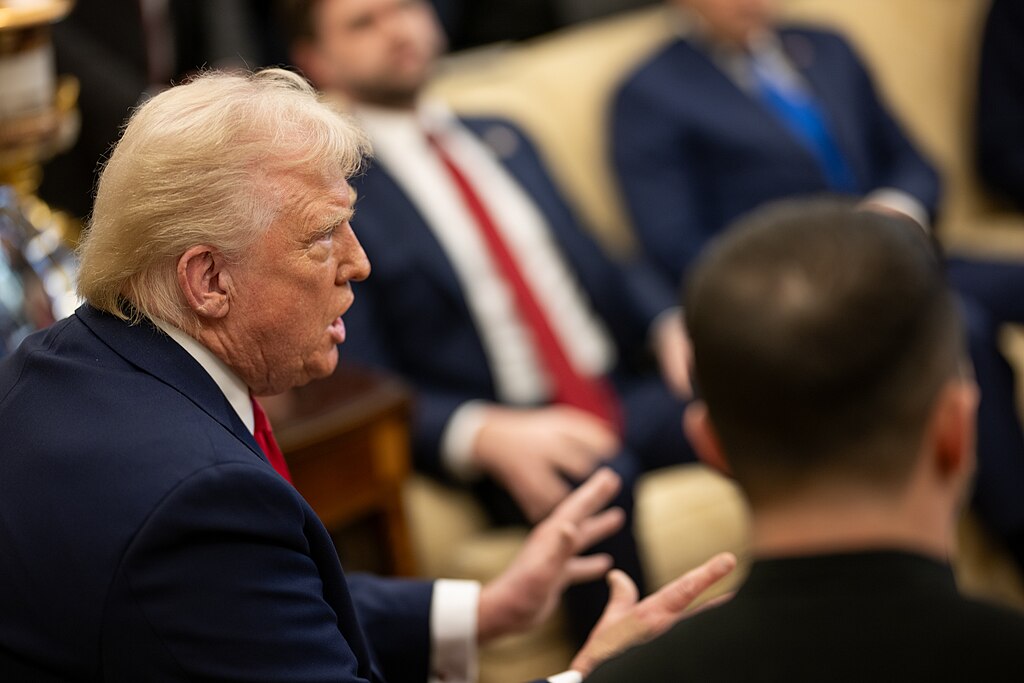
The Trump administration has announced a new audit of immigration cases involving U.S. citizens of Somali origin, citing concerns about potential fraud that could lead to denaturalization, or revocation of citizenship. The move reflects President Donald Trump’s broader hardline immigration agenda, which has intensified since he took office in January and focuses on stricter enforcement, deportations, and reviews of past immigration decisions.
According to a statement from Homeland Security Assistant Secretary Tricia McLaughlin, U.S. law allows for denaturalization if citizenship was obtained through fraudulent means. The statement, first reported by Fox News and later reposted by the White House on social media, emphasized that fraud in the naturalization process is grounds for legal action. However, denaturalization cases remain rare and legally complex. Data from the Immigrant Legal Resource Center shows that between 1990 and 2017, the U.S. government pursued an average of only 11 denaturalization cases per year, often taking years to resolve.
The renewed scrutiny comes amid increased federal focus on Minnesota’s Somali community. Federal officials have recently described the state as a hotspot for alleged fraud involving millions of dollars in federal funds earmarked for social services. FBI Director Kash Patel said the bureau has “surged” investigative resources and personnel to Minnesota as part of ongoing fraud investigations that have disproportionately affected Somali immigrants.
Immigrant-rights and human rights organizations have strongly criticized the administration’s approach, arguing that fraud investigations are being used as a pretext to broadly target Somali immigrants and Muslim communities. Critics say such policies undermine due process and civil liberties, while supporters within the Trump administration argue the measures are necessary to enhance national security and protect taxpayer funds.
Adding to the controversy, the U.S. Department of Health and Human Services announced it has frozen all child care payments to Minnesota. Going forward, the agency said all payments nationwide through its Administration for Children and Families will require detailed justification and proof, such as receipts or photo evidence. Minnesota Governor Tim Walz responded by stating that the state has long worked to combat fraud and accused the Trump administration of politicizing the issue to defund programs that support vulnerable residents.
The developments highlight growing tensions between federal immigration enforcement efforts and state governments, as well as ongoing debates over immigration policy, fraud prevention, and civil rights in the United States.







