


 U.S. Probes Apex Logistics Over Nvidia AI Chip Shipments to China
  Trump Threatens EU Tariffs Over Canada Membership Proposal
  Ukraine Tests New Anti-Drone Weapon After Successful Shahed Intercept
  Trump Administration Removes Confederate Memorial Criticism From Arlington Website
  US Officials Meet Houthis in Oman Amid Yemen Offensive
  Europe can’t achieve space sovereignty alone. Here’s why
  U.S. Issues Cuba Health Alert as Illnesses Rise
  Synthetic data could ease people’s concerns about privacy breaches. But who gets to create it?
  North Korea Vows to Expand Nuclear Arsenal Amid U.S.-Led Military Buildup
  Saudi Arabia Shuts East-West Oil Pipeline After Drone Attack
  Brazil Warns EU of Retaliation Over Animal Products Ban
  France Urges Faster AI Push Despite Safety Risks
  UK PM Andy Burnham Set for First Trump Meeting in New York
  Trump Hopes Iran War Nears End as Yemen Fighting Escalates
  Lula, Flavio Bolsonaro Deadlocked in Brazil Election Polls
  Rodrigo Duterte Makes First Public Appearance at ICC in 18 Months
  Trump Grants Clemency to Jay-Z Associate Emory Jones


 Add as a preferred source on Google
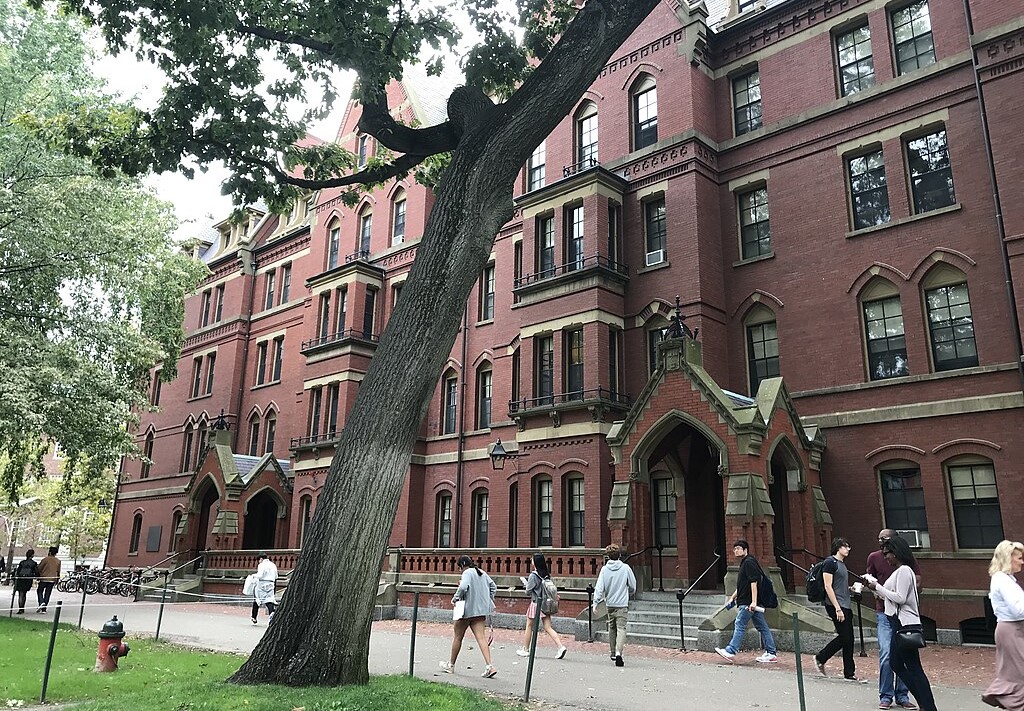
The Trump administration has escalated its campaign against Harvard University by launching two fresh federal investigations, intensifying an already fierce standoff between the White House and one of America's most prestigious academic institutions.
The U.S. Department of Education's civil rights office announced the probes, which will examine whether Harvard continues to use race-based preferences in admissions following the Supreme Court's landmark 2023 ruling that effectively ended affirmative action. A second investigation targets allegations of antisemitism on Harvard's campus, an issue that has become a central flashpoint in the administration's broader crackdown on elite universities.
Harvard firmly denied any wrongdoing, with a spokesperson stating the university remains fully compliant with federal admissions law and is deeply committed to combating antisemitism. The school characterized the new probes as retaliatory moves aimed at pressuring Harvard to abandon its institutional independence and constitutional rights.
This latest action adds to a growing pile of legal confrontations. The administration filed two separate lawsuits against Harvard earlier this year — one seeking billions of dollars over alleged failures to protect Jewish students, and another demanding compliance with a federal admissions data investigation. Privacy advocates and former Biden-era officials have warned that such data collection could be weaponized against civil rights protections.
Harvard is not alone in facing federal pressure. Columbia University recently reached a settlement with the Trump administration, agreeing to pay over $200 million — an arrangement that academic experts have criticized as setting a troubling "pay-to-play" precedent for higher education institutions.
Critics also note that while the administration has aggressively pursued antisemitism-related probes, it has not launched comparable investigations into Islamophobia or anti-Palestinian discrimination on college campuses, raising concerns about selective enforcement and political motivation behind the federal scrutiny.







