


 Judge Blocks Trump Rule Limiting Foreign Student Visas
  Trump Says US Army Base in Poland Talks Make Progress
  Japan, U.S. Discuss $19 Billion GlobalFoundries Chip Plant
  FDA Names Permanent Drug and Biologics Center Chiefs
  US Resumes Immigrant Visa Processing for Hungary, Poland
  Venezuela Nears Deal to Move $4 Billion in Gold to New York Fed
  South Korea’s Cho Hyun to Meet Rubio in Washington
  US Judge Dismisses Imran Ahmed Deportation Lawsuit
  Synthetic data could ease people’s concerns about privacy breaches. But who gets to create it?
  Saudi Arabia Shuts East-West Oil Pipeline After Drone Attack
  Pentagon Restarts Testosterone Testing for US Troops
  U.S. Probes Apex Logistics Over Nvidia AI Chip Shipments to China
  US Allies Fear Trump Could Soften Taiwan Stance in Xi Talks
  Najib Razak Granted House Arrest Until 2028
  US Immigration Arrests Surge as Deportations Lag Behind
  US Delegation Visits Myanmar, Secures Release of American Adam Castillo
  France Targets Shein, Temu With Fast-Fashion Fees


 Add as a preferred source on Google
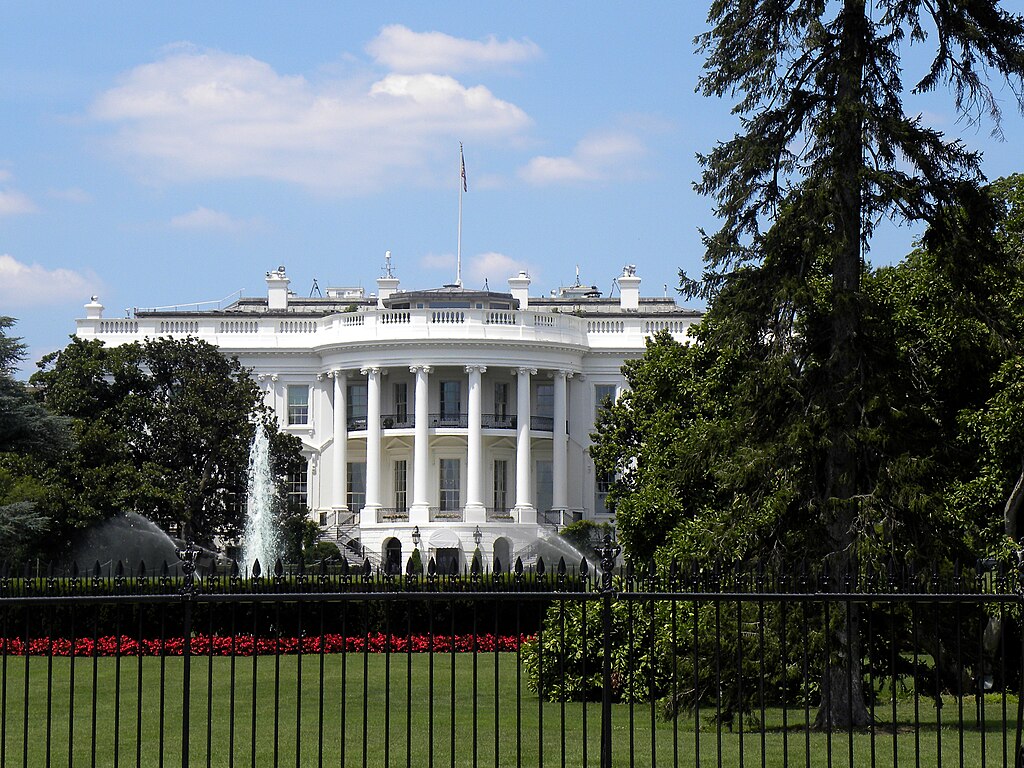
President Donald Trump’s administration has begun outlining contingency plans as a federal government shutdown looms this week, sparking concerns over mass layoffs and disruptions to essential services. The U.S. Department of Health and Human Services (HHS) announced that 41% of its workforce could be furloughed, while other agencies brace for reduced operations if Congress fails to pass a stopgap funding bill.
Unlike past shutdowns, this one may come with sweeping structural changes. The administration has threatened mass firings of federal employees, positioning the shutdown as an opportunity to downsize government agencies. According to the Office of Personnel Management (OPM), while training and onboarding of new employees is suspended during a shutdown, officials overseeing layoffs will continue working. In a break from previous protocols, furloughed employees will also be permitted to use government-issued computers to check email for potential layoff notices.
Senator Gary Peters of Michigan criticized the move, warning that eliminating career civil servants would cause “lasting damage” to public safety and essential government functions. Key federal agencies released updated shutdown plans only within the past 24 hours, a delay compared to prior administrations that provided plans weeks in advance.
If funding lapses, the Department of Labor will suspend the release of critical economic data, including September’s employment report. The Bureau of Economic Analysis will also pause GDP reporting, while the HHS will halt admissions to new clinical research studies and limit public health communications. The Department of Veterans Affairs pledged to maintain medical care and benefits, but cemetery maintenance would stop.
Despite widespread cutbacks, the Internal Revenue Service will continue full operations thanks to funding from President Biden’s Inflation Reduction Act, a controversial point among Republicans who had opposed increased IRS funding. With Republicans controlling Congress and Democrats unable to secure a funding deal, the risk of a shutdown—and unprecedented federal layoffs—appears imminent.







