


 Trump Bans CNN, MS NOW and Politico From White House
  Brazil Warns EU of Retaliation Over Animal Products Ban
  Bessent Presses Japan on Fiscal Policy as Yen Struggles
  Berkshire Hathaway Eyes Bigger Stakes in Japan’s Top Trading Houses
  Syngenta Files for Hong Kong IPO, Eyes $5 Billion Raise
  FCC Approves Foreign Investment in $110B Paramount-Warner Bros. Deal
  Cathie Wood Backs AI Slowdown as Safety Concerns Grow
  Google Changes EU Spam Policy Amid Antitrust Scrutiny
  Allegro Raises 2026 Outlook as International GMV Surges
  Volvo Cars Plans 13 New Models by 2030 to Boost Sales
  NATO Commander Joins US Review of Troop Deployments in Europe
  NASA, Boeing Discuss Expanding Starliner Missions
  ICE Agent Arrested in Minneapolis Over Venezuelan Man Shooting
  Qualcomm Gains on $60B Amazon AI Chip Deal
  US Bans Canadian Alcohol, Motorcycles as Trade War Escalates
  Australia Tightens Student Visa Rules, Targets Migration Cut by 2028
  FAA Allows Boeing to Sell 35 More 777F Freighters Beyond 2028


 Add as a preferred source on Google
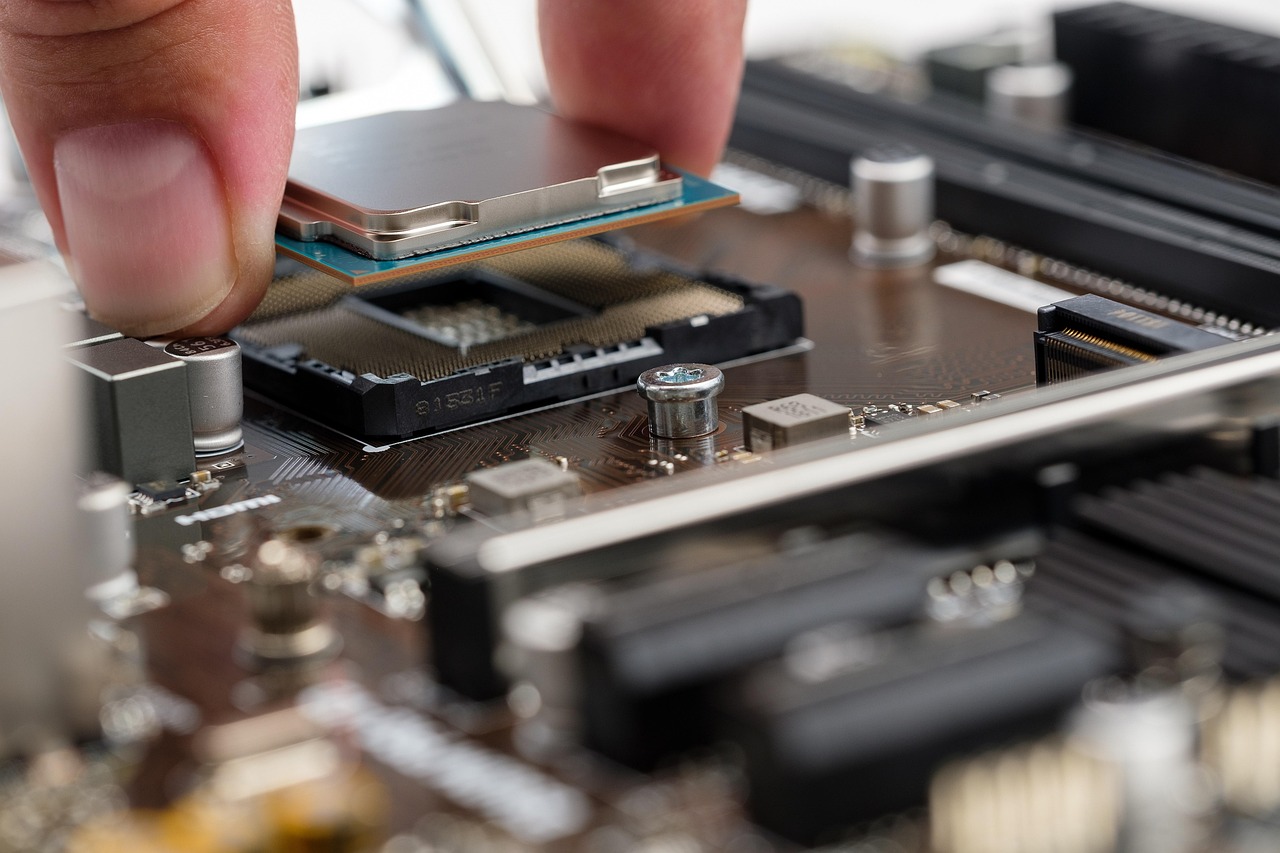
U.S. chip stocks dropped Monday following reports that the Trump administration is planning stricter controls on China’s tech sector. The proposed rule would expand current sanctions to include subsidiaries of blacklisted companies, closing a loophole that has allowed Chinese firms to bypass restrictions by creating new corporate entities.
According to Bloomberg, the rule would require U.S. government licenses for transactions involving any firm that is at least 50% owned by a company already on the U.S. Entity List, Military End-User list, or the Specially Designated Nationals list. The regulation, still under discussion, could be introduced as early as June and may pave the way for further sanctions against Chinese tech giants.
The move comes amid rising U.S.-China tensions, especially in the semiconductor sector. On Friday, President Donald Trump accused Beijing of undermining recent Geneva trade negotiations. In response, China expressed frustration over U.S. chip export controls, while the U.S. criticized China’s restrictions on critical minerals.
Markets reacted swiftly. Nvidia (NASDAQ: NVDA) fell 1%, Marvell Technology (NASDAQ: MRVL) dropped 1.9%, and Broadcom (NASDAQ: AVGO) declined 0.9%. Taiwan Semiconductor Manufacturing Co. (TSMC) slipped 0.9%, and the iShares Semiconductor ETF (NASDAQ: SOXX) was down nearly 1% in premarket trading. Chinese chipmakers were also hit, with SMIC down 1.1% and Hua Hong Semiconductor losing nearly 3% in Hong Kong.
This policy shift underscores Washington’s intent to curb China’s tech rise by targeting not only parent companies but also their global subsidiaries. U.S. officials have described the regulatory gap as a game of “whack-a-mole,” emphasizing the need for tighter enforcement to prevent circumvention of existing sanctions.







