


 US Immigration Arrests Surge as Deportations Lag Behind
  SEC Probes Banks Over Situational Awareness Hedge Fund Collapse
  Global Poll Shows Rising Trust in Institutions as US-China Leadership Support Falls
  U.S. Imposes New Visa Restrictions Over South Africa Policies
  France Urges Faster AI Push Despite Safety Risks
  Australia Tightens Student Visa Rules, Targets Migration Cut by 2028
  North Korea Vows to Expand Nuclear Arsenal Amid U.S.-Led Military Buildup
  Iran Economic Crisis Forces Afghan Families to Return Home
  Brazil Warns EU of Retaliation Over Animal Products Ban
  US Confirms Weapons in Orbit as Space Tensions Rise
  Trump Threatens EU Tariffs Over Canada Membership Proposal
  Trump Grants Clemency to Jay-Z Associate Emory Jones
  Paris Talks Focus on Lebanon Army Needs as UNIFIL Exit Looms
  Ukraine Tests New Anti-Drone Weapon After Successful Shahed Intercept
  Trump Administration Pauses Visa Appointments Worldwide
  DOJ Will Investigate AI-Related Crimes, Attorney General Blanche Says
  US-China Experts Push AI Nuclear Safeguards to Prevent Military Escalation


 Add as a preferred source on Google
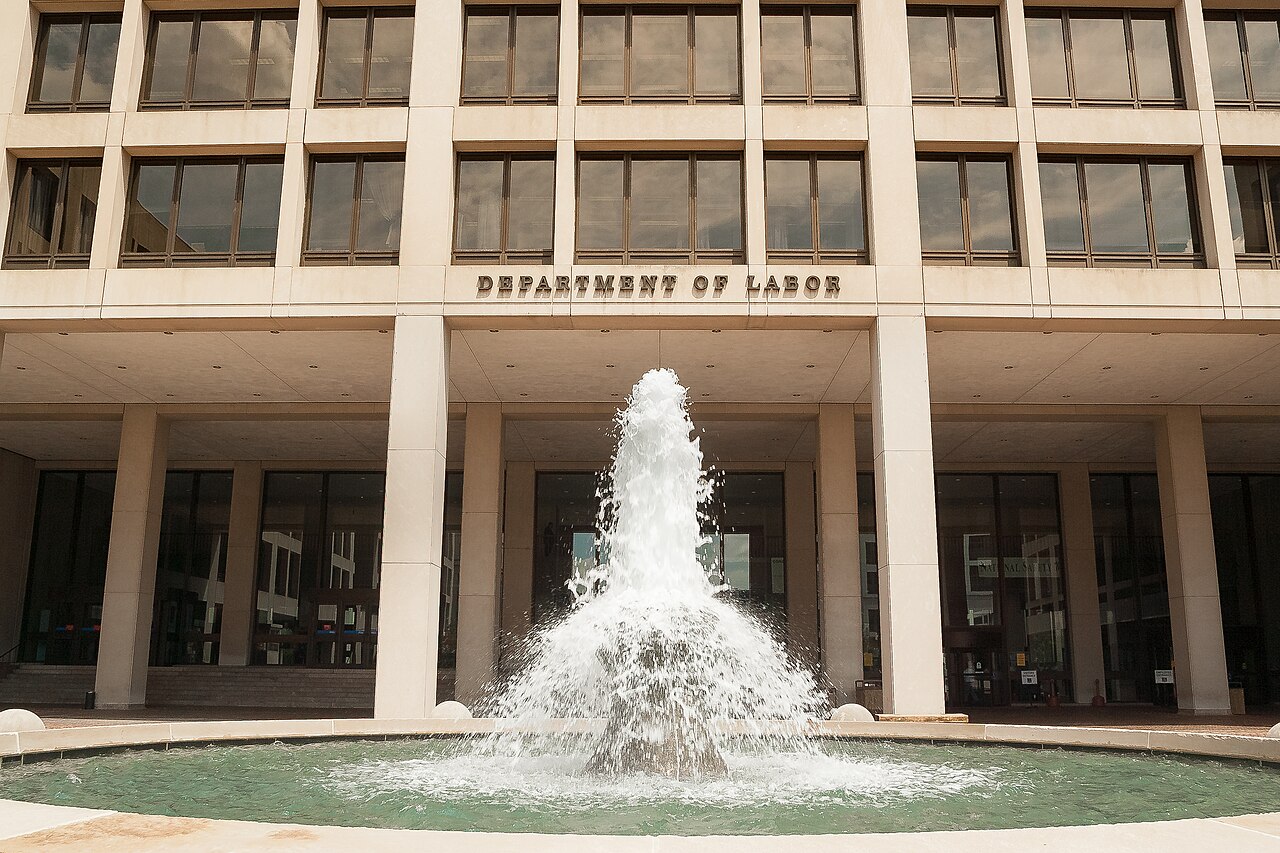
The Trump administration has introduced a proposed rule that could significantly reshape how companies are held accountable for labor violations involving contractors and franchise workers. Announced by the U.S. Department of Labor, the rule aims to narrow the definition of “joint employer” under federal wage laws, including those governing minimum wage and overtime pay.
Under the proposal, a company would only be considered a joint employer if it exercises direct and substantial control over key aspects of employment, such as hiring, supervision, pay, and maintaining employee records. This approach mirrors a similar rule implemented during Trump’s first term, which was later rescinded under former President Joe Biden.
Acting Labor Secretary Keith Sonderling emphasized that the proposed regulation is designed to simplify compliance for businesses. He stated that establishing a clear and consistent standard would encourage companies to invest in partnerships, while also helping workers better understand their rights. The Department of Labor believes the change could streamline enforcement efforts and improve the efficiency of workplace investigations.
The rule, which will be officially published soon, will undergo a 60-day public comment period before any final decision is made. If adopted, it could take effect later this year and influence both government enforcement actions and private lawsuits, although courts would not be required to follow it.
The issue of joint employment has been a long-standing and highly debated topic in U.S. labor law. Recently, the National Labor Relations Board also rolled back a Biden-era rule, reinstating a Trump-era standard that similarly limits joint employer liability.
However, worker advocacy groups have raised concerns. Organizations like the Economic Policy Institute argue that narrowing the definition could make it harder to address wage theft and protect workers, potentially costing employees billions in lost wages.







