


 Vietnam, U.S. Firms Plan 29 Deals Across Energy, Tech and Aviation
  Trump Administration Pauses Visa Appointments Worldwide
  U.S. Issues Cuba Health Alert as Illnesses Rise
  France Targets Shein, Temu With Fast-Fashion Fees
  ICE Agent Arrested in Minneapolis Over Venezuelan Man Shooting
  Trump Administration Removes Confederate Memorial Criticism From Arlington Website
  Trump Grants Clemency to Jay-Z Associate Emory Jones
  US Resumes Immigrant Visa Processing for Hungary, Poland
  Who should own the knowledge that underpins AI technology?
  Saudi Arabia Shuts East-West Oil Pipeline After Drone Attack
  SEC Probes Banks Over Situational Awareness Hedge Fund Collapse
  Saudi Arabia Raises Security Alerts as Houthi Attacks Threaten Oil Routes
  Nvidia-Groq AI Chip Deal Faces U.S. Antitrust Probe
  Synthetic data could ease people’s concerns about privacy breaches. But who gets to create it?
  US Judge Dismisses Imran Ahmed Deportation Lawsuit
  U.S. Imposes New Visa Restrictions Over South Africa Policies


 Add as a preferred source on Google
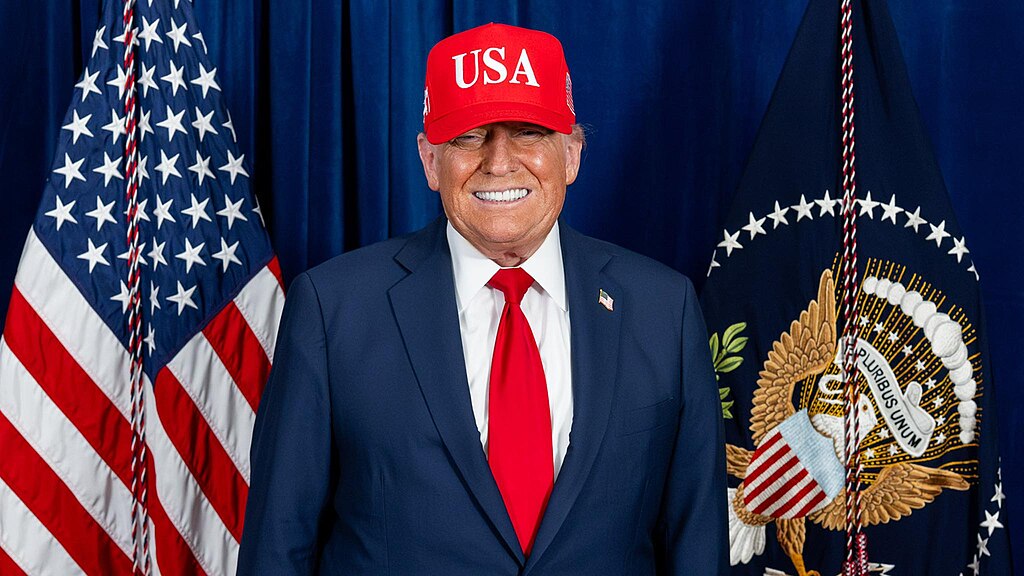
The Trump administration has introduced stricter vetting measures for H-1B visa applicants, targeting professionals in highly skilled fields often recruited by major U.S. tech companies. According to an internal State Department memo sent to U.S. missions on December 2, consular officers are now instructed to scrutinize applicants’ work histories—along with LinkedIn profiles and resumes—to identify potential involvement in activities tied to “censorship” of protected speech.
The memo highlights roles connected to misinformation, disinformation, content moderation, compliance, fact-checking and online safety, all of which the administration views as potential grounds for visa ineligibility. If officers find evidence that an applicant engaged in or supported efforts to suppress protected expression in the United States, they are encouraged to deny the visa under a specific section of the Immigration and Nationality Act.
While the policy applies broadly to all visa categories, the cable emphasizes heightened review for H-1B applicants, who frequently work in technology, social media and financial services—industries the administration claims have been involved in limiting certain viewpoints. The updated screening applies to both first-time and returning applicants and includes family members traveling with them.
The move aligns with the administration’s larger stance on free speech and its belief that conservative perspectives face unfair censorship on digital platforms. U.S. officials have also criticized European governments for what they describe as efforts to silence political views, especially those linked to immigration debates. Earlier this year, Senator Marco Rubio threatened visa restrictions for individuals involved in limiting Americans’ speech, including those working with or regulating social media companies.
This enhanced scrutiny follows previous measures targeting student visa applicants, whose social media activity is already reviewed for posts deemed hostile to the United States. It also comes amid broader immigration reforms, including new H-1B visa fees introduced in September. The administration continues to accuse the Biden administration of encouraging online suppression of speech related to vaccines and elections, underscoring the political tensions surrounding tech regulation and digital expression.







