U.S. President Donald Trump has imposed a 19% tariff on imports from the Philippines, following a meeting with Philippine President Ferdinand Marcos Jr. at the White House. Announced via Trump’s Truth Social platform, the tariff is part of a new trade agreement under which U.S. goods will enter the Philippines tariff-free.
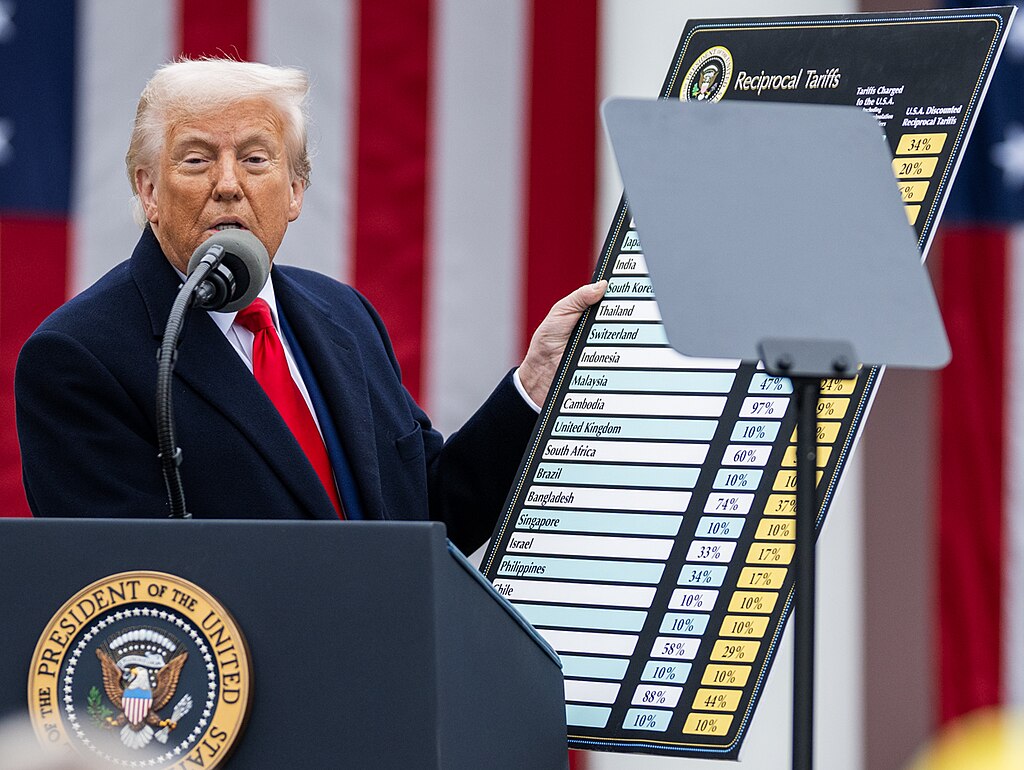
The 19% rate, slightly lower than the previously threatened 20%, matches Indonesia’s and undercuts Vietnam’s 20% rate. It also exceeds the 17% rate announced in April under Trump’s “reciprocal tariff” policy, which has affected most U.S. trading partners.
Trump described the bilateral meeting as a “beautiful visit,” calling Marcos a “very good and tough negotiator.” While the deal's specifics remain undisclosed, Trump emphasized that “very big numbers” in trade would continue to grow, noting the U.S. had a $5 billion trade deficit with the Philippines in 2024, on bilateral goods trade worth $23.5 billion.
Philippine Ambassador Jose Manuel Romualdez praised the outcome as a “good deal” with room for further improvement. Marcos, the first Southeast Asian leader to visit Trump in his second term, affirmed the U.S. as the Philippines’ “strongest and most reliable ally.”
The announcement follows a broader shift in U.S. trade policy, with most nations facing a 10% tariff since April and many bracing for additional duties starting August 1. Trump also hinted at a future China visit and said the Philippines has pivoted away from Beijing’s influence since his re-election.
Protests greeted Marcos’s arrival in Washington, with demonstrators urging stronger support for Filipino Americans and migrant workers amid U.S. immigration crackdowns.
Trade experts say the final tariff is less critical than maintaining competitiveness with regional peers, with few details yet released.