


 ECB Set for September Rate Hike as Energy Prices Fuel Inflation
  Asian Stocks Rally as AI Optimism Fuels Chipmaker Surge
  Bolivia Military Barracks Explosion Kills Nine
  Iran Threatens Gulf Energy Assets as U.S. Tensions Escalate
  UK House Prices Fall for First Time Since 2023
  France Targets Shein, Temu With Fast-Fashion Fees
  Trump Peace Envoys Meet Zelenskiy in Kyiv After Putin Talks
  Texas Republicans Turn Against AI Data Centers as Election Backlash Grows
  Merz Rejects AfD Alliance After Saxony-Anhalt Surge
  Trump Imposes New US Tariffs on Drone Imports Over National Security Concerns
  Putin Meets US Envoys in Moscow as Ukraine Peace Push Intensifies
  Lavrov Accuses Germany of ‘Declaring War’ on Russia
  Gold Prices Rise as Yen Rally Weakens Dollar
  China Expands Influence in Global Gold Market
  Hungary Industrial Output Beats Forecasts With 4.7% July Growth
  Netanyahu Orders West Bank Settler Outposts Dismantled
  Oil Prices Climb as Iran Threatens Gulf Energy Infrastructure


 Add as a preferred source on Google
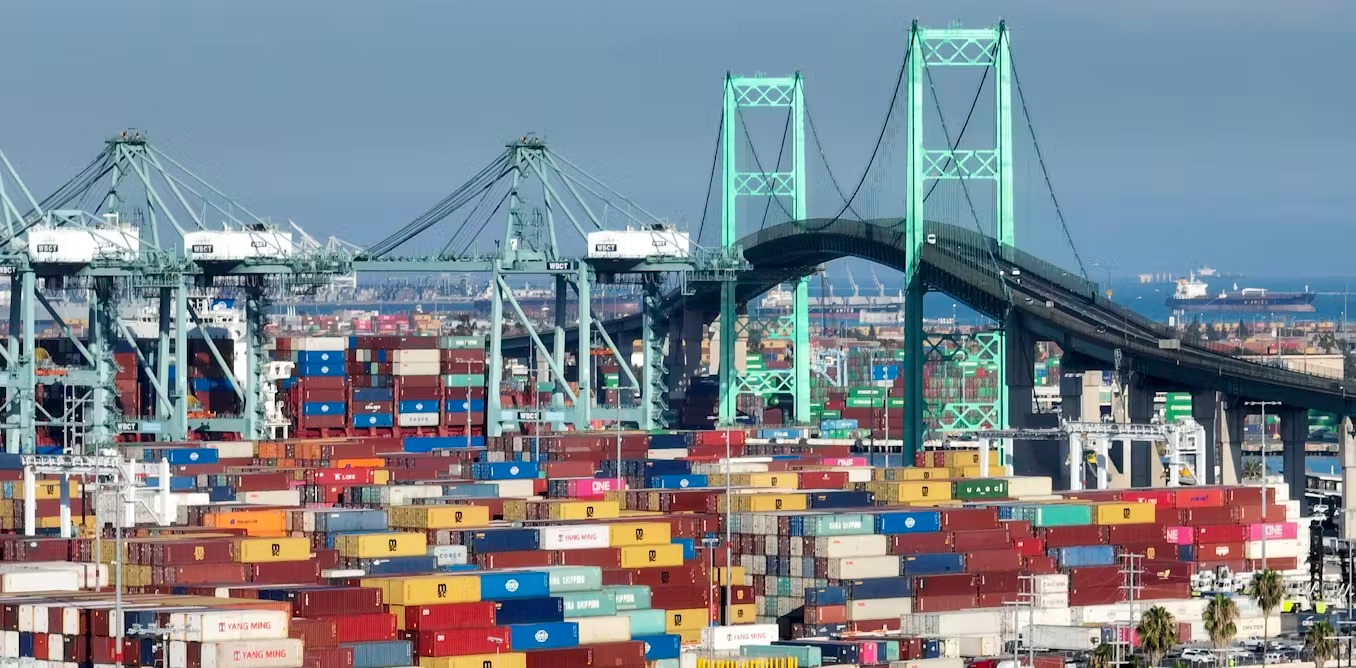
U.S. President Donald Trump has unveiled a new round of steep tariffs on a wide range of imported goods, sparking concerns about inflation and international trade relations. Beginning October 1, the U.S. will impose 100% tariffs on branded and patented pharmaceutical imports, 25% tariffs on heavy-duty trucks, 50% tariffs on kitchen cabinets and bathroom vanities, and 30% tariffs on upholstered furniture.
Trump argued the measures are needed to protect American industries from what he called “flooding” of foreign products. He emphasized that the new pharmaceutical tariffs will not apply to companies already building manufacturing facilities in the U.S. The administration framed the truck tariffs as essential for safeguarding domestic manufacturers like Peterbilt, Kenworth, and Freightliner, while countering growing competition from Mexico, Canada, Japan, and Europe.
Industry groups, however, are pushing back. The Pharmaceutical Research and Manufacturers of America warned that the policy could disrupt supply chains, noting that over half of U.S. medicine ingredients are already produced domestically, with the remainder coming from allies in Europe and beyond. Similarly, the U.S. Chamber of Commerce criticized the truck tariffs, pointing out that Mexico—America’s largest source of medium- and heavy-duty trucks—has deeply integrated supply chains with U.S. companies. Many of these trucks already contain 50% U.S.-made components.
Mexico, home to 14 truck and bus manufacturers, strongly opposed the move, stressing its role as the leading exporter of tractor trucks globally, with 95% of exports heading to the U.S. The Japanese Automobile Manufacturers Association also voiced opposition, highlighting that Japanese companies have already shifted much of their truck production to U.S. facilities.
Critics warn the tariffs may drive up transportation costs, undermining Trump’s pledge to fight inflation. The policies could also affect automakers like Stellantis, which builds Ram trucks in Mexico, and Volvo Group, which is investing $700 million in a new truck plant in Monterrey. With tariffs set to take effect next month, global trade tensions and inflation concerns are expected to intensify.







