


 Vietnam, U.S. Firms Plan 29 Deals Across Energy, Tech and Aviation
  US Allies Fear Trump Could Soften Taiwan Stance in Xi Talks
  U.S. Probes Apex Logistics Over Nvidia AI Chip Shipments to China
  FBI, Coast Guard Board Ships After Cyberattacks
  Google Changes EU Spam Policy Amid Antitrust Scrutiny
  U.S. Issues Cuba Health Alert as Illnesses Rise
  Australia Plans New Rules Giving Users Control Over Social Media Feeds
  Texas Republicans Turn Against AI Data Centers as Election Backlash Grows
  Nvidia-Groq AI Chip Deal Faces U.S. Antitrust Probe
  SEC Seeks ISS Client Voting Records in Proxy Adviser Probe
  Paris Talks Focus on Lebanon Army Needs as UNIFIL Exit Looms
  France Urges Faster AI Push Despite Safety Risks
  Houthis Seize Bab el-Mandeb as Military Power Grows
  Trump Eyes End to Iran War, Plans Gulf Leaders Meeting
  Trump Hopes Iran War Nears End as Yemen Fighting Escalates
  Saudi Arabia Shuts East-West Oil Pipeline After Drone Attack
  Brazil Warns EU of Retaliation Over Animal Products Ban


 Add as a preferred source on Google
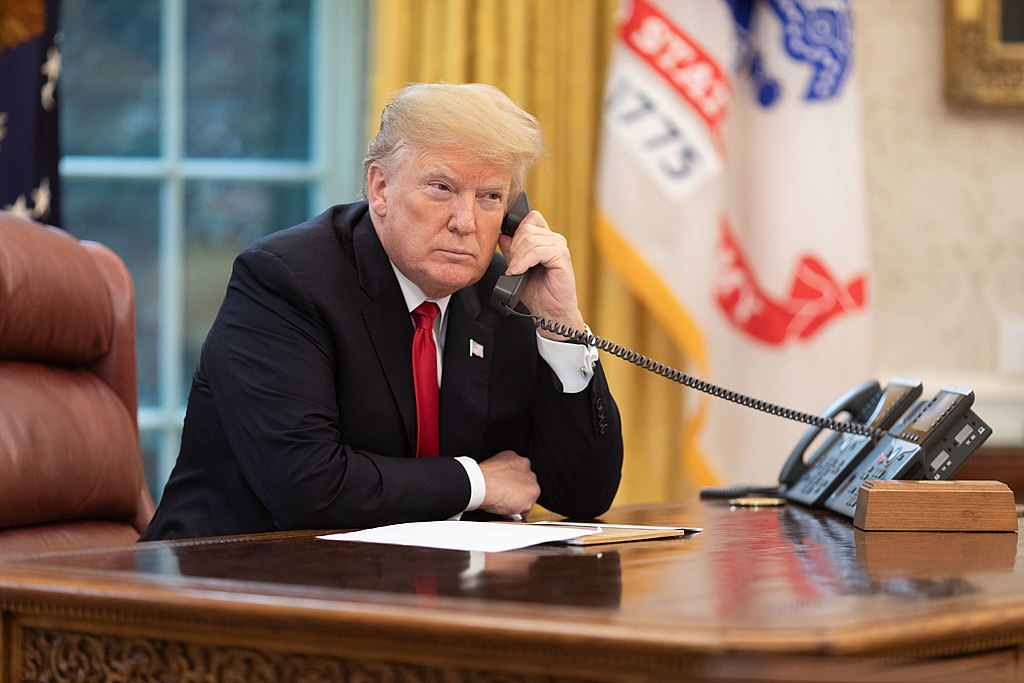
U.S. President Donald Trump announced on Thursday that he had signed a formal proclamation authorizing prosecutors in Washington, D.C., to seek the death penalty in certain criminal cases. The decision marks a significant step in Trump’s longstanding support for capital punishment, aligning with his administration’s broader stance on law and order policies.
According to Trump, the proclamation ensures that federal prosecutors in the nation’s capital will have expanded authority to pursue the death penalty when prosecuting the most severe crimes. Washington, D.C., does not currently have a local death penalty statute, but this move allows federal charges to be pursued with capital punishment as a potential sentence.
The announcement comes as part of the Trump administration’s emphasis on stricter penalties for violent crimes. Trump has repeatedly voiced his support for capital punishment, particularly in cases involving acts of terrorism, drug trafficking, and crimes against children. His decision reflects his belief that the death penalty serves as both a deterrent and a form of justice for victims and their families.
Critics argue that reinstating or expanding the death penalty raises serious concerns regarding human rights, racial disparities in sentencing, and the possibility of wrongful convictions. Opponents also point to the growing movement across the United States to reduce or abolish capital punishment, with several states having already banned it.
Despite the controversy, Trump’s proclamation highlights his administration’s tough-on-crime approach. The measure is expected to spark renewed debate in Washington and beyond, particularly at a time when the future of the death penalty in America continues to divide public opinion.
By authorizing prosecutors in the District of Columbia to pursue capital punishment in specific cases, Trump has further solidified his stance on strengthening criminal justice measures. This decision is likely to remain a key talking point in ongoing discussions about federal law enforcement, crime prevention, and the role of capital punishment in the U.S. justice system.







