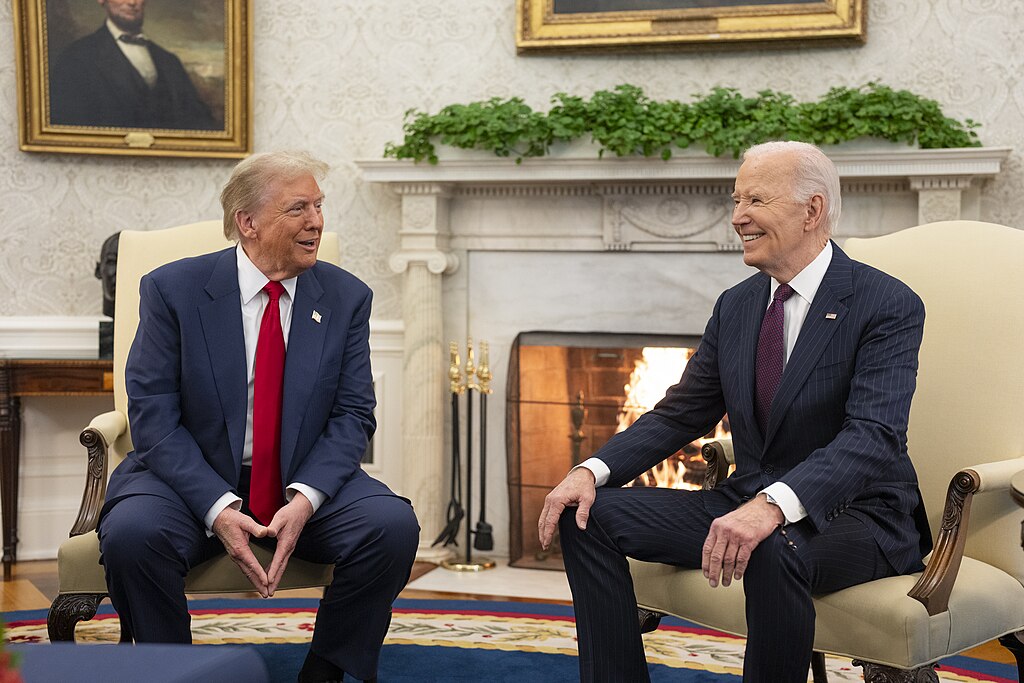
U.S. President Donald Trump said Tuesday that he intends to nullify all documents, including pardons and commutations, that he claims were signed by former President Joe Biden using an autopen. The autopen, a long-standing tool in the White House, allows precise replication of a person’s signature and has been used by presidents from both major parties for routine, ceremonial, or high-volume paperwork.
Trump’s statement, posted on Truth Social, asserted that any legal document Biden signed through this device is “fully and completely terminated.” He urged individuals who received pardons, commutations, or other official documents to consider them void. However, Trump did not provide evidence that Biden used the autopen on specific pardons, and Biden’s former aides have consistently affirmed that he personally oversaw and approved presidential actions.
During his final weeks in office, Biden issued several pardons, including some for family members he said he wanted to shield from politically motivated investigations, as well as commutations for non-violent drug offenders. Trump and his supporters have repeatedly pushed unfounded claims that Biden’s use of the autopen undermined the validity of executive actions or suggested he was not fully aware of decisions made during his presidency. Legal experts note that autopen signatures have been widely accepted for decades and do not invalidate official documents.
Trump’s comments follow a broader pattern in which he has questioned Biden’s mental fitness and implied that aides, rather than Biden himself, controlled key aspects of the administration. Biden and his team have rejected these characterizations, emphasizing his direct involvement in presidential duties. As the political climate intensifies, Trump’s latest remarks contribute to ongoing debates over presidential authority, document legitimacy, and the norms surrounding executive signatures—issues likely to influence public perception as both leaders continue to clash.