


 Tsai Warns of China’s Sustained Pressure on Taiwan
  Mexico Bars Dual Citizens From Presidential Races Starting in 2028
  Italy Approves Electoral Reform Ahead of 2027 Election
  US-Taiwan Ties Remain Strong as Taipei Urges Timely Arms Deliveries
  Maduro, Wife May Face New US Torture Charges
  Trump Weighs FBI Probe Into Nolan Wells’ Death
  Flavio Bolsonaro Leads Lula 49%-45% in Brazil Runoff Poll
  US Suspends Microsoft, Adobe From Green Card Program
  Pentagon Orders Iran Strike Preparations as Trump Weighs Military Action
  Trump Rallies in Texas as Republicans Face Tight Midterm Races
  US Charges Maduro and Wife With Torture Conspiracy
  Iran Refuses to Halt Uranium Enrichment Amid US Nuclear Demands
  Marco Rubio Warns Russia-Ukraine War Could Spark Wider Conflict
  Trump Buys Up to $25M in Meta Stock, Invests in SpaceX Debt
  US, EU Push for Action Against Asia’s Excess Factory Capacity
  Berlin Coalition Talks Advance After Left Party Antisemitism Deal
  EU Rejects Italy, Greece Calls for Fiscal Rule Flexibility


 Add as a preferred source on Google
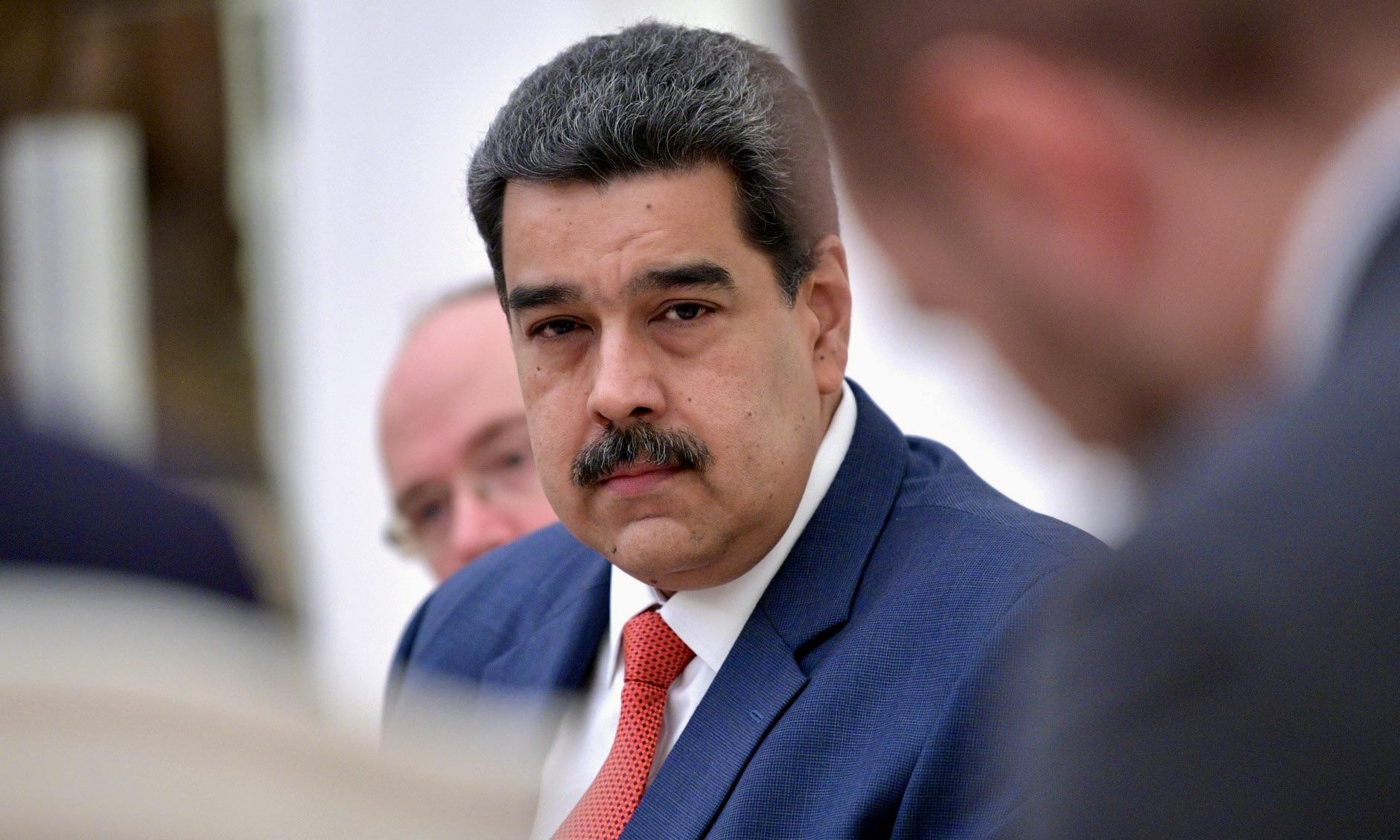
U.S. President Donald Trump confirmed on Sunday that he recently spoke with Venezuelan President Nicolas Maduro, acknowledging the call but declining to share details about their discussion. Speaking to reporters aboard Air Force One, Trump said simply, “The answer is yes,” when asked whether the conversation took place, adding that he would not characterize the tone of the call beyond noting it was “a phone call.”
The New York Times first reported that Trump and Maduro spoke earlier this month, allegedly discussing the possibility of a future meeting in the United States. The revelation adds a new layer to an already tense relationship, as Washington continues to exert pressure on Maduro’s government while simultaneously signaling a willingness to explore diplomatic openings.
Over the weekend, Trump intensified his rhetoric by declaring that airspace above and around Venezuela should be considered “closed in its entirety,” a statement that sparked confusion and concern in Caracas. When questioned about whether such comments suggested imminent military action, Trump responded, “Don’t read anything into it,” leaving officials and analysts uncertain about U.S. intentions.
U.S. officials have continued to accuse Maduro of enabling drug trafficking operations that harm Americans—charges the Venezuelan leader firmly denies. Reuters has reported that the Trump administration is evaluating several Venezuela-related options, including efforts aimed at removing Maduro from power. The U.S. military has already increased its presence in the Caribbean, carrying out months of strikes on suspected drug-smuggling vessels near Venezuelan waters.
Human rights groups have criticized these operations, calling them unlawful and warning that they could amount to extrajudicial killings. Trump said he would investigate reports that a second strike in September targeted survivors, adding he “would not have wanted” such an outcome. Defense Secretary Pete Hegseth has defended the missions as legal and intentionally “lethal.”
Maduro and Venezuelan officials have not publicly addressed the reported phone call. Jorge Rodriguez, head of Venezuela’s National Assembly, declined to comment when asked, saying his focus was on announcing an investigation into U.S. military actions in the Caribbean.







