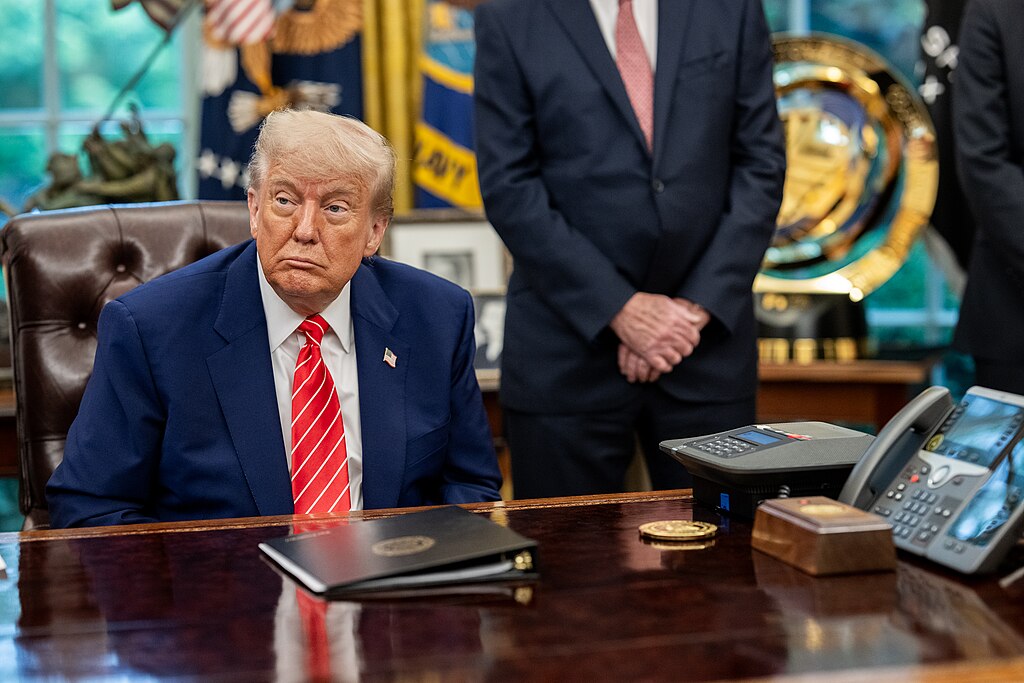
U.S. President Donald Trump stated on Thursday that he believes China played a pivotal role in persuading Iran to agree to a ceasefire in its ongoing conflict with Israel and the United States. The statement, made to AFP, signals a significant diplomatic acknowledgment from Washington regarding Beijing's influence over Tehran in one of the most volatile geopolitical flashpoints in recent memory.
China's foreign ministry responded the following day, confirming its support for the ceasefire while stopping short of claiming direct credit for brokering the deal. Ministry spokesperson Mao Ning emphasized during a regular press briefing that China has consistently pushed for an immediate halt to hostilities and urged all parties to resolve their differences through peaceful, political, and diplomatic means. However, when pressed for specifics about what actions China took to help bring the ceasefire to fruition, Mao declined to elaborate.
The development marks a notable moment in Middle East diplomacy, as it suggests China is playing an increasingly active role in shaping regional stability beyond its traditional economic interests. Beijing's apparent influence over Iran, one of its key energy partners and strategic allies, could position it as a critical mediator in future conflicts involving the broader Middle East region.
Trump's remarks also underscore a complex dynamic in U.S.-China relations, where competition and rivalry on the global stage do not entirely rule out indirect cooperation on matters of international security. While Washington and Beijing remain at odds on several fronts, this ceasefire development hints at overlapping interests when it comes to reducing armed conflict in strategically important regions.
As the situation continues to develop, the international community will be closely watching whether this ceasefire holds and whether China's emerging mediator role will expand in shaping Middle East peace efforts going forward.