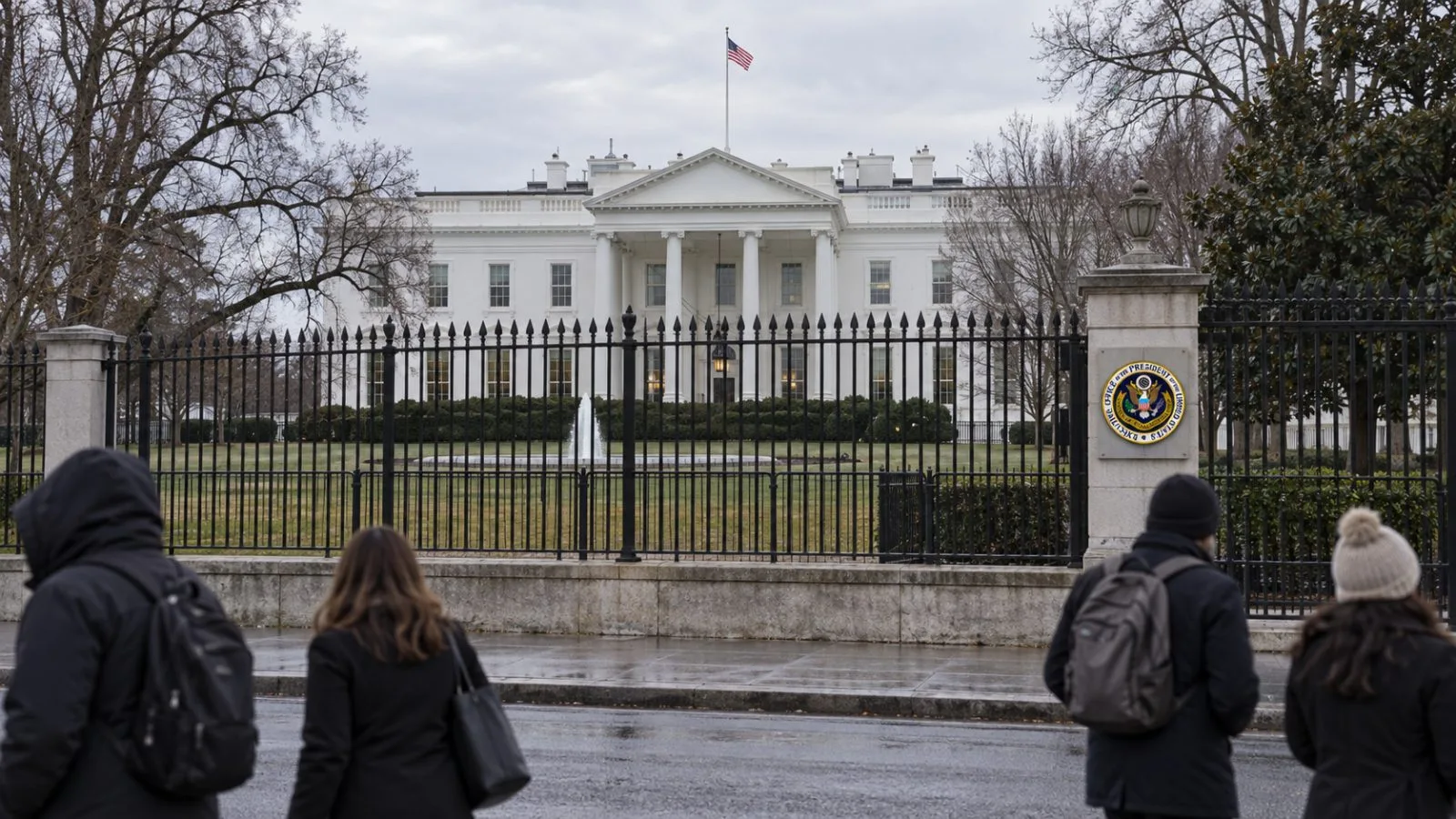
The U.S. is pursuing fast-track trade agreements with key partners as President Donald Trump’s July 9 tariff deadline looms, according to the Financial Times. These "narrow" deals aim to avoid tougher reciprocal tariffs by locking in limited agreements while broader negotiations continue.
Countries that reach these partial deals will still face a 10% tariff but could avoid steeper penalties once the 90-day pause ends. The administration is reportedly seeking “agreements in principle” on select disputes before the deadline hits. Without progress, Trump has threatened to unilaterally impose new tariff rates by notifying trading partners directly.
So far, the U.K. is the only country to strike a limited deal. The White House remains under pressure to finalize more agreements quickly to prevent a global trade escalation. Treasury Secretary Scott Bessent warned that the risk of tariffs increasing next week is “very real.”
Additionally, Washington is considering more tariffs on critical sectors, although the administration has not provided specifics. While Trump stated the July 9 deadline isn’t absolute—it “could be sooner or later”—the pressure is mounting on trade officials to act swiftly.
The U.S. Commerce Department and White House have yet to comment on the FT’s report, and Reuters could not independently confirm the details. However, the move reflects Trump’s aggressive trade strategy, which continues to prioritize leverage through tariffs.
As the deadline nears, markets are closely watching whether temporary deals can stave off another round of economic disruption. The outcome could reshape U.S. trade relationships heading into the second half of 2025.