


 Trump Administration Pauses Visa Appointments Worldwide
  Australia Tightens Student Visa Rules, Targets Migration Cut by 2028
  FCC Approves Foreign Investment in $110B Paramount-Warner Bros. Deal
  Pentagon Restarts Testosterone Testing for US Troops
  FDA Names Permanent Drug and Biologics Center Chiefs
  Trump Says US Army Base in Poland Talks Make Progress
  Kim Yo Jong Warns of Stronger Response to US-Led Military Drills
  Vietnam, U.S. Firms Plan 29 Deals Across Energy, Tech and Aviation
  US Resumes Immigrant Visa Processing for Hungary, Poland
  Houthis Seize Bab el-Mandeb as Military Power Grows
  US Confirms Weapons in Orbit as Space Tensions Rise
  Iran Economic Crisis Forces Afghan Families to Return Home
  US Immigration Arrests Surge as Deportations Lag Behind
  Judge Blocks Trump Rule Limiting Foreign Student Visas
  Nvidia-Groq AI Chip Deal Faces U.S. Antitrust Probe
  Trump Eyes End to Iran War, Plans Gulf Leaders Meeting


 Add as a preferred source on Google
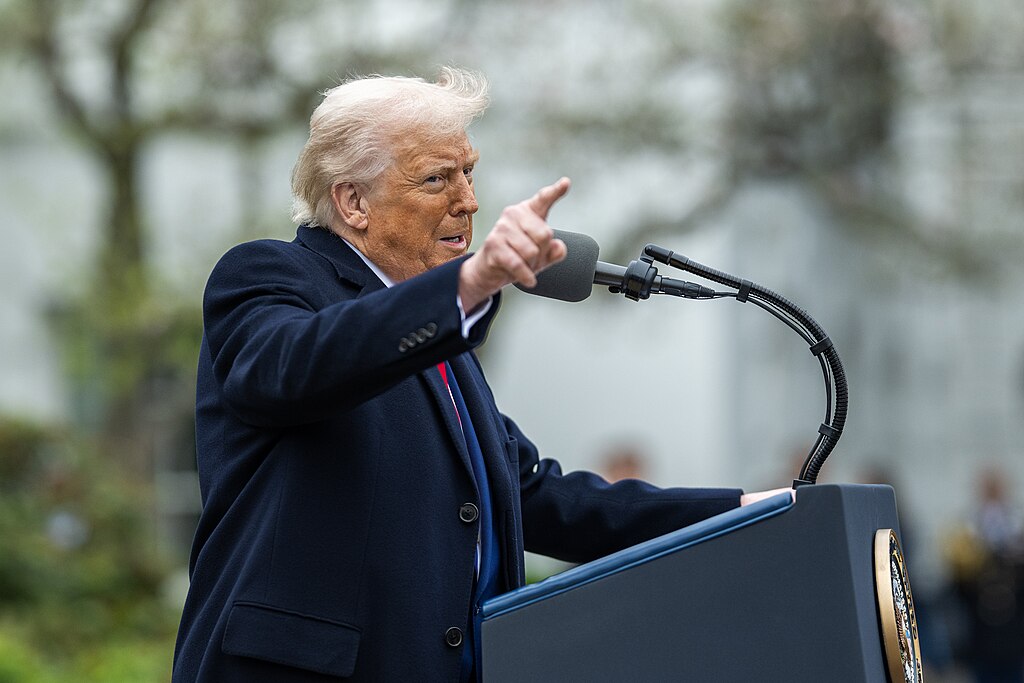
U.S. President Donald Trump announced on Saturday that he has directed the U.S. military to deploy to Portland, Oregon, to protect federal immigration facilities. Calling protesters “domestic terrorists,” Trump said he authorized Defense Secretary Pete Hegseth to provide “all necessary troops” and allow the use of “full force, if necessary.”
The move drew immediate backlash from Oregon officials. Portland Mayor Keith Wilson stated, “The number of necessary troops is zero,” stressing that violence would only occur if the federal government provokes it. Governor Tina Kotek also rejected the deployment, telling reporters that Portland faces no insurrection or national security threat. She said she urged Trump to reconsider, highlighting that violent crime in the city has dropped significantly—homicides fell 51% in the first half of 2025, according to the Major Cities Chiefs Association.
Senator Ron Wyden accused Trump of repeating his 2020 “playbook” when federal forces escalated tensions during protests after George Floyd’s killing. Critics warn that deploying troops could again trigger unrest rather than restore order.
The Pentagon has not clarified whether the deployment will involve National Guard, active-duty troops, or both. A Pentagon spokesperson confirmed readiness to support Homeland Security operations in Portland, while DHS defended the move, citing the need to protect ICE facilities amid demonstrations.
The controversy comes as Trump intensifies his crackdown on immigration. His administration has declared antifa a domestic terrorist organization despite law enforcement noting no terrorist incidents linked to the movement. Protests have erupted nationwide against immigration raids, including outside detention centers in Chicago, Dallas, and Portland.
While Trump frames the effort as a fight against crime and extremism, opponents argue it is a political strategy that risks inflaming tensions in Democrat-led cities. Portland police confirmed federal agents are already boosting security at local ICE facilities as nationwide protests grow.







