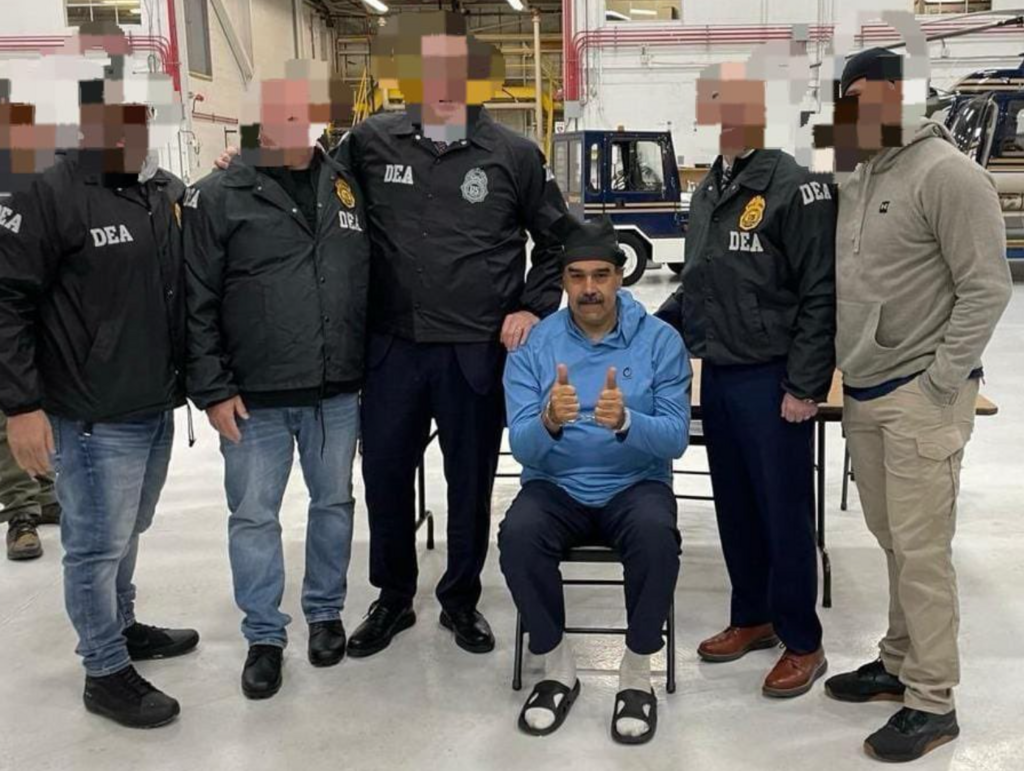
U.S. President Donald Trump said on Tuesday that he has no interest in speaking with Venezuelan President Nicolás Maduro, who is currently being held in a U.S. jail following his capture by American forces earlier this month. Trump made the remarks during a press conference when questioned about the possibility of engaging in dialogue with Maduro over allegations that Venezuela interfered in the 2020 U.S. presidential election.
When asked directly whether he would consider speaking with the Venezuelan leader, Trump dismissed the idea, citing legal concerns. “I don’t think I would be doing that. I think my lawyers would be very unhappy,” Trump said, signaling that any communication with Maduro could raise serious legal and political complications.
The comments come amid heightened tensions between the United States and Venezuela, particularly following Maduro’s detention in January. The U.S. government has long accused the Venezuelan administration of corruption, human rights abuses, and interference in international affairs. Allegations of foreign involvement in the 2020 U.S. presidential election have remained a sensitive issue, especially for Trump, who has repeatedly claimed the election was compromised, despite losing to President Joe Biden.
Trump’s refusal to engage with Maduro underscores his continued hardline stance on Venezuela. During his presidency, Trump pursued aggressive policies against the Maduro government, including economic sanctions, diplomatic isolation, and support for opposition leaders. His latest remarks suggest that, even after leaving office, Trump remains unwilling to soften his position or legitimize Maduro through direct talks.
The situation has drawn international attention, as Maduro’s detention by U.S. forces marks a significant escalation in U.S.-Venezuela relations. Analysts note that any direct communication between Trump and Maduro could have legal ramifications, particularly given ongoing investigations and allegations surrounding election interference.
As the story develops, Trump’s comments reinforce his focus on legal caution and political strategy while highlighting the ongoing controversy surrounding the 2020 election and U.S. relations with Venezuela.