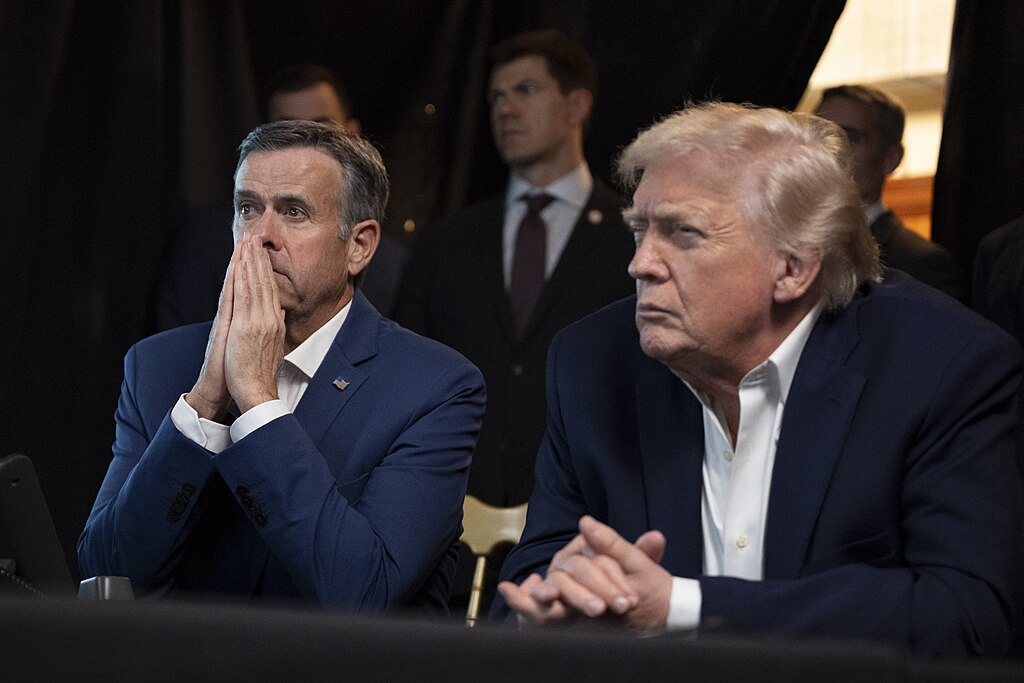
U.S. President Donald Trump said on Tuesday that his administration will “very shortly” begin targeting illegal drugs entering the United States by land, expanding its anti-drug strategy beyond maritime operations. Speaking to reporters at the White House, Trump highlighted recent U.S. military actions against suspected drug-smuggling vessels in the Caribbean Sea and the Pacific Ocean, claiming those efforts have already reduced the flow of narcotics into the country by water.
According to Trump, intensified strikes and surveillance at sea have disrupted major drug trafficking routes used by criminal organizations to transport illegal substances into the United States. He argued that as maritime pathways become more difficult for traffickers to use, drug smugglers are increasingly turning to land-based routes, prompting the administration to shift its focus accordingly. While the president did not specify which country or countries were involved in land-based drug transportation, his comments suggested a broader enforcement push at U.S. land borders.
The announcement comes amid ongoing concerns about drug trafficking, border security, and the opioid crisis, which continues to affect communities across the United States. Trump has repeatedly emphasized a hardline approach to combating drug cartels, linking the issue to national security and public safety. His administration has previously supported increased funding for border enforcement, enhanced cooperation with international partners, and the use of military resources to combat transnational criminal networks.
By signaling a move toward targeting drugs coming in by land, Trump reinforced his administration’s commitment to a comprehensive anti-drug strategy. The president suggested that enforcement efforts would adapt to changing trafficking patterns, ensuring that drug smugglers cannot simply shift routes to avoid detection. He did not provide details on the specific measures that would be taken, but analysts expect increased border inspections, intelligence-sharing, and possible coordination with neighboring countries.
As the administration prepares to expand its focus, the issue of drug trafficking is likely to remain a central topic in U.S. policy discussions, particularly as it intersects with debates over border control, immigration, and law enforcement priorities.