


 Saudi Arabia Raises Security Alerts as Houthi Attacks Threaten Oil Routes
  Ukraine Tests New Anti-Drone Weapon After Successful Shahed Intercept
  Vietnam, U.S. Firms Plan 29 Deals Across Energy, Tech and Aviation
  Google Changes EU Spam Policy Amid Antitrust Scrutiny
  Paris Talks Focus on Lebanon Army Needs as UNIFIL Exit Looms
  ICE Agent Arrested in Minneapolis Over Venezuelan Man Shooting
  Texas Republicans Turn Against AI Data Centers as Election Backlash Grows
  FDA Weighs Safety Standards for Psychedelic Therapies
  US Resumes Immigrant Visa Processing for Hungary, Poland
  Synthetic data could ease people’s concerns about privacy breaches. But who gets to create it?
  New Zealand Labour Backs Social Media Ban for Under-16s
  Rodrigo Duterte Makes First Public Appearance at ICC in 18 Months
  Trump Eyes End to Iran War, Plans Gulf Leaders Meeting
  US Confirms Weapons in Orbit as Space Tensions Rise
  U.S. Imposes New Visa Restrictions Over South Africa Policies
  Yemen Fighting Threatens Red Sea Oil Routes
  Japan, U.S. Discuss $19 Billion GlobalFoundries Chip Plant


 Add as a preferred source on Google
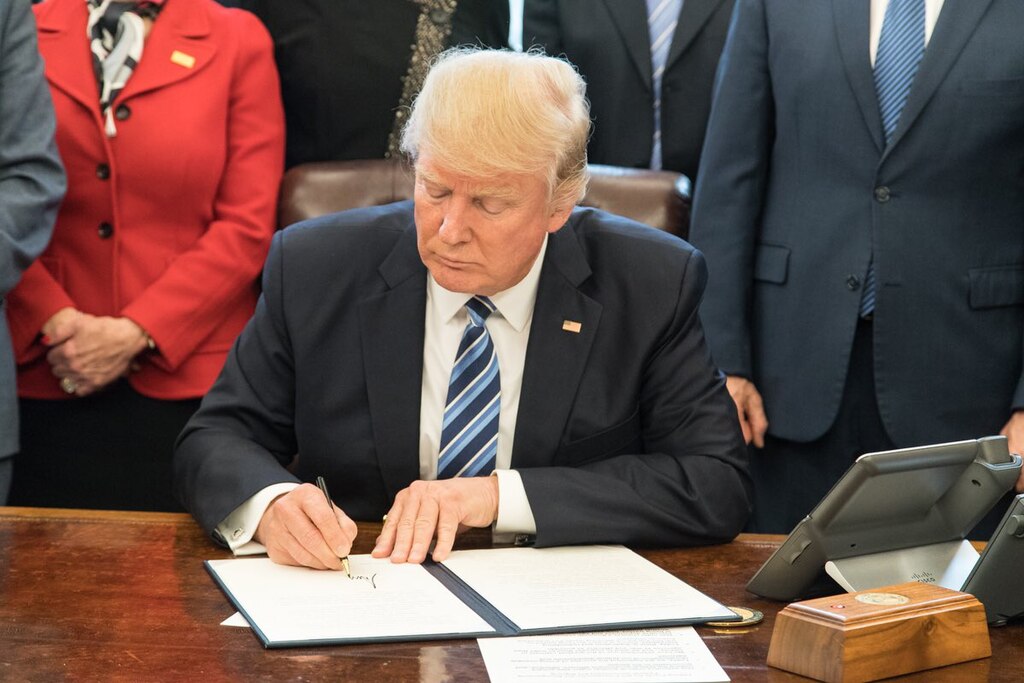
President Donald Trump on Wednesday signed an executive order establishing a second emergency board aimed at preventing a potential work stoppage at the Long Island Rail Road (LIRR), a critical transportation system serving nearly 300,000 passengers each day across New York. The move underscores growing concerns about the economic and commuter impact of a possible strike amid an ongoing labor dispute that has stretched on for more than three years.
The executive order comes after a coalition of five labor unions once again called on the president to intervene. These unions represent a significant portion of the LIRR workforce and have warned that a strike could occur if negotiations with management fail to produce a new contract. The dispute centers on wages, benefits, and working conditions, issues that have remained unresolved despite years of talks.
This is not the first time federal action has been taken to address the situation. In September, President Trump appointed an initial emergency board to mediate between the railroad and union representatives. That intervention was designed to prevent a strike ahead of a major golf tournament in the New York area, which would have drawn large crowds and placed additional strain on regional transportation.
The newly appointed emergency board will once again focus on mediation and fact-finding, with the goal of encouraging both sides to reach an agreement without disrupting service. Under federal labor law, the creation of such a board temporarily blocks unions from striking while negotiations continue, providing a cooling-off period intended to protect the public interest.
The Long Island Rail Road plays a vital role in the daily lives of New York commuters, connecting suburban communities to Manhattan and other employment centers. Any interruption in service could have wide-reaching consequences for the regional economy, traffic congestion, and overall productivity.
By signing this executive order, President Trump signaled his administration’s intent to maintain stability in essential transportation services while urging both labor unions and management to work toward a fair and lasting resolution.







