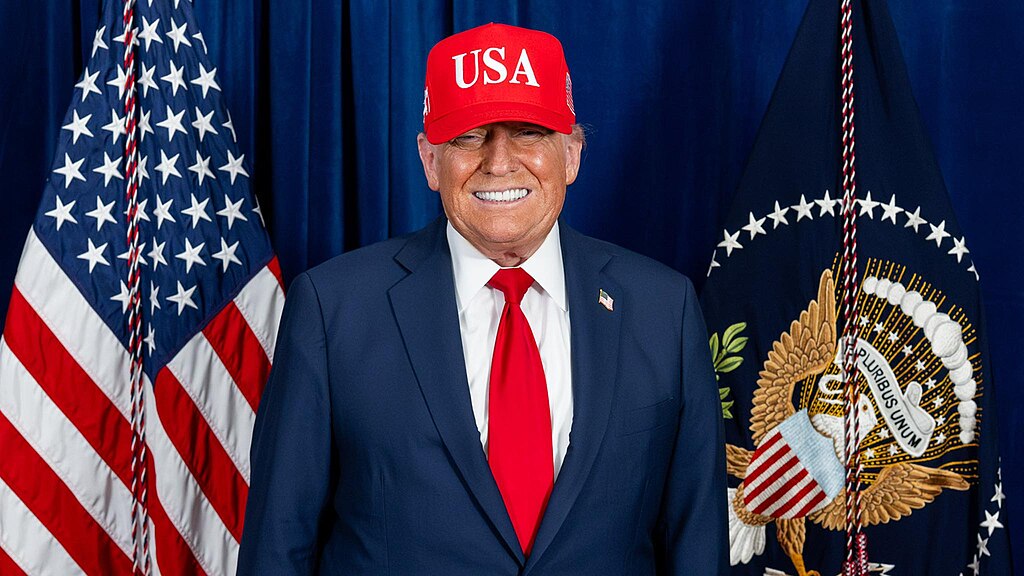
President Donald Trump on Thursday highlighted critical minerals as a top U.S. priority during a White House meeting with leaders from Kazakhstan, Kyrgyzstan, Tajikistan, Turkmenistan, and Uzbekistan. The talks underscored Washington’s efforts to expand its global influence and secure vital resources amid growing competition with China and Russia. Trump described Central Asia as “an extremely wealthy region” and reaffirmed his commitment to strengthening U.S. partnerships with the five nations.
The meeting, part of the C5+1 diplomatic platform launched in 2015, focused on developing new agreements to enhance cooperation on energy, trade, and resource security. Trump emphasized that his administration had recently forged multiple international deals to broaden U.S. critical mineral supply chains—a move aimed at reducing dependency on rival powers. These minerals, including uranium, copper, gold, and rare earth elements, are essential for advanced technologies and clean energy development.
Among the major business outcomes, Boeing announced plans to sell up to 37 aircraft to airlines across Kazakhstan, Tajikistan, and Uzbekistan. Meanwhile, U.S.-based Cove Capital secured government-backed financing to mine tungsten in Kazakhstan. Analysts say these initiatives demonstrate a dual approach of government cooperation and private-sector engagement designed to strengthen America’s long-term access to strategic minerals.
Kazakhstan’s President Kassym-Jomart Tokayev hailed the meeting as the “beginning of a new era” of U.S.-Central Asia relations, while Uzbekistan’s President Shavkat Mirziyoyev called Trump “the president of the world” and proposed creating a permanent regional secretariat. Kazakhstan, the world’s leading uranium producer, and Uzbekistan together account for over half of global uranium output—critical for U.S. nuclear energy security. With Russia still supplying about 20% of America’s imported uranium, diversifying supply sources has become a strategic necessity as Washington seeks to reduce reliance on Moscow and Beijing.