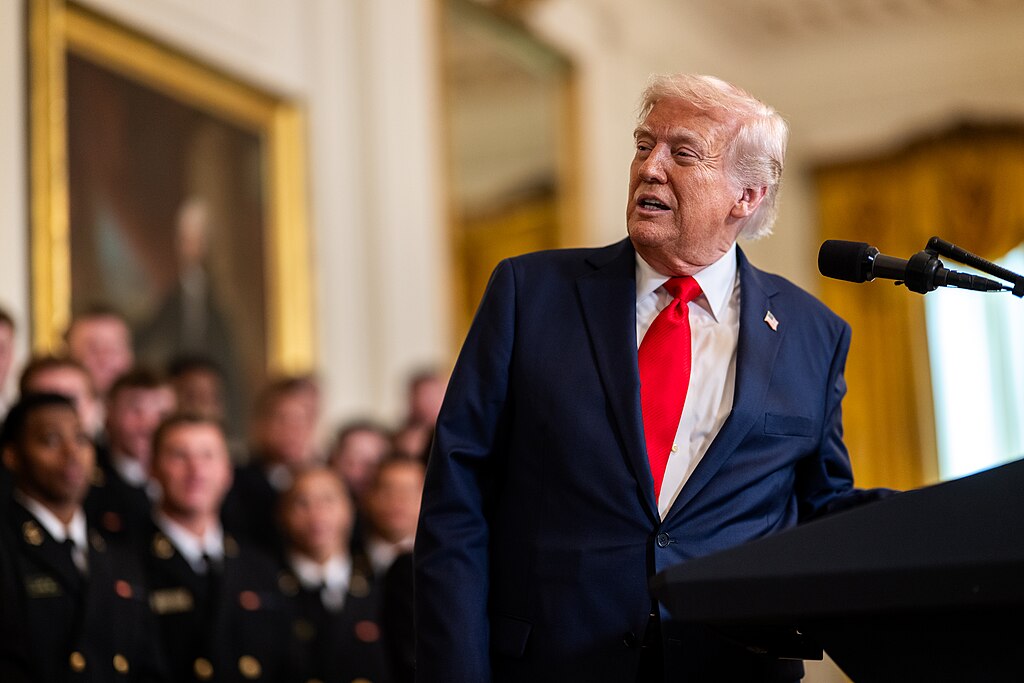
U.S. President Donald Trump has reignited trade tensions by threatening to impose a 30% tariff on imports from the European Union and Mexico starting August 1. The move, announced via letters to EU Commission President Ursula von der Leyen and Mexican President Claudia Sheinbaum, follows stalled trade talks with key U.S. partners.
The EU and Mexico called the proposed tariffs unfair and economically disruptive, though both signaled a willingness to continue negotiations. Sheinbaum emphasized maintaining a "cool head" and reaffirmed Mexico’s commitment to national sovereignty. Mexico, which sends over 80% of its exports to the U.S., faces a lower 30% rate than Canada’s 35%, with Trump citing fentanyl trafficking as a factor—despite U.S. data showing the majority of fentanyl originates from China and crosses the southern border.
Trump also sent similar letters to 23 other trading partners, including Canada, Japan, and Brazil, with blanket tariffs ranging from 20% to 50%. Existing tariffs on steel, aluminum, and automobiles remain unaffected. While markets are wary of escalation, some analysts recall Trump’s history of backing down from previous tariff threats.
EU officials warned of possible countermeasures. Von der Leyen said the tariffs would disrupt transatlantic supply chains and vowed to defend EU interests. European lawmakers, led by trade committee head Bernd Lange, urged swift retaliation. Germany supports a quick deal, but France opposes one-sided concessions.
Trump's renewed trade push has already generated over $100 billion in customs duties this fiscal year, according to the U.S. Treasury. However, allies like Japan and Canada are reconsidering their security and economic reliance on the U.S., signaling broader geopolitical shifts as Trump’s protectionist policies reshape global alliances.