


 Trump Grants Clemency to Jay-Z Associate Emory Jones
  ICE Agent Arrested in Minneapolis Over Venezuelan Man Shooting
  US Officials Meet Houthis in Oman Amid Yemen Offensive
  FDA Names Permanent Drug and Biologics Center Chiefs
  U.S. Probes Apex Logistics Over Nvidia AI Chip Shipments to China
  Trump Hopes Iran War Nears End as Yemen Fighting Escalates
  Brazil Warns EU of Retaliation Over Animal Products Ban
  FCC Approves Foreign Investment in $110B Paramount-Warner Bros. Deal
  US Confirms Weapons in Orbit as Space Tensions Rise
  Paris Talks Focus on Lebanon Army Needs as UNIFIL Exit Looms
  Trump Administration Pauses Visa Appointments Worldwide
  U.S. Issues Cuba Health Alert as Illnesses Rise
  US Bans Canadian Alcohol, Motorcycles as Trade War Escalates
  DOJ Will Investigate AI-Related Crimes, Attorney General Blanche Says
  Texas Republicans Turn Against AI Data Centers as Election Backlash Grows
  FBI, Coast Guard Board Ships After Cyberattacks


 Add as a preferred source on Google
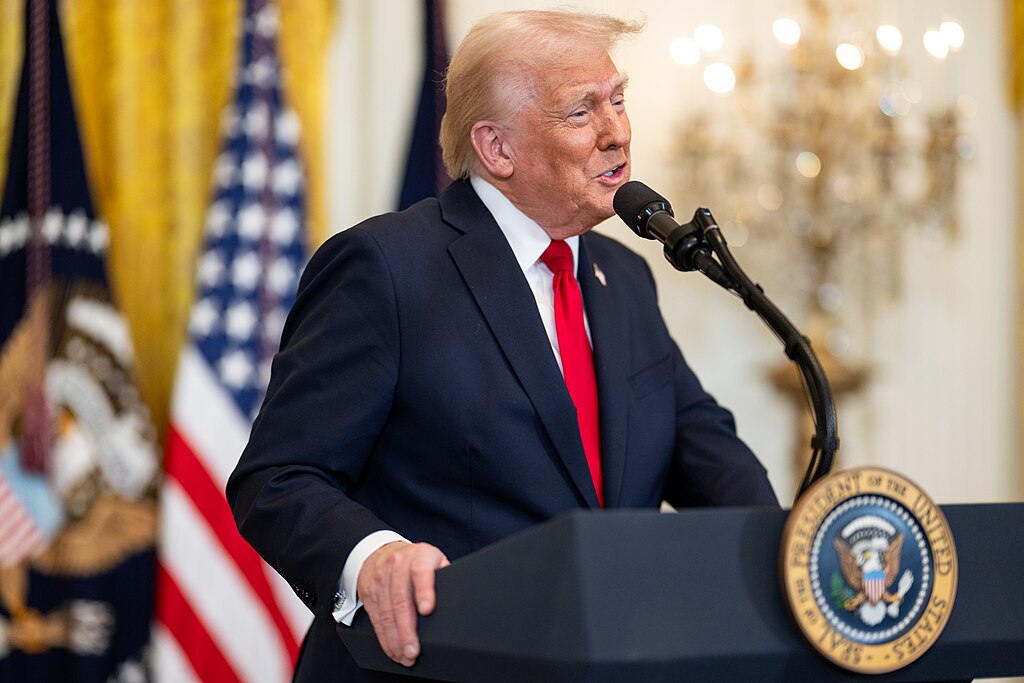
U.S. President Donald Trump has ordered his administration to review federal funding to Portland, Oregon, escalating tensions with the city over ongoing anti-government and anti-fascist protests. White House spokeswoman Karoline Leavitt said, “We will not fund states that allow anarchy,” though she did not specify which funds could be withheld.
Since returning to office in January, Trump has repeatedly threatened to cut off federal funding—mandated by Congress—to states, cities, and institutions he considers politically hostile, including Democratic-led governments and universities he accuses of being dominated by Marxist ideology.
Portland has seen waves of left-wing demonstrations in recent years, with the latest targeting Immigration and Customs Enforcement (ICE) after Trump’s renewed push to detain and deport migrants. Local officials condemned the administration’s move, warning that cutting aid would damage healthcare, education, and infrastructure. Mayor Keith Wilson, a Democrat, argued it would “siphon vital funding from our economy during a government shutdown that is already hurting cities nationwide.” He vowed to use “every legal and constitutional tool” to defend Portland’s residents.
Tensions flared further after conservative journalist Nicholas Sortor was arrested at a protest outside ICE offices, accused of disorderly conduct during a clash with demonstrators. Leavitt condemned the arrest, saying the Justice Department’s civil rights division was investigating possible “viewpoint discrimination.” Portland police defended the arrest, stating it was based on observed behavior and probable cause, not political affiliation.
Trump has intensified rhetoric against Portland’s protesters, labeling antifa activists as “domestic terrorists” and deploying soldiers to protect ICE facilities. He also moved to take control of the Oregon National Guard, a decision fiercely opposed by Oregon Governor Tina Kotek, who declared she “will not be bullied” into allowing federal overreach.
Oregon leaders accuse Trump of violating constitutional limits and undermining local governance. They argue that stripping federal aid would harm ordinary citizens rather than restore order. The clash highlights growing conflict between the White House and Democratic state leaders over protest movements, immigration, and the use of federal power.







