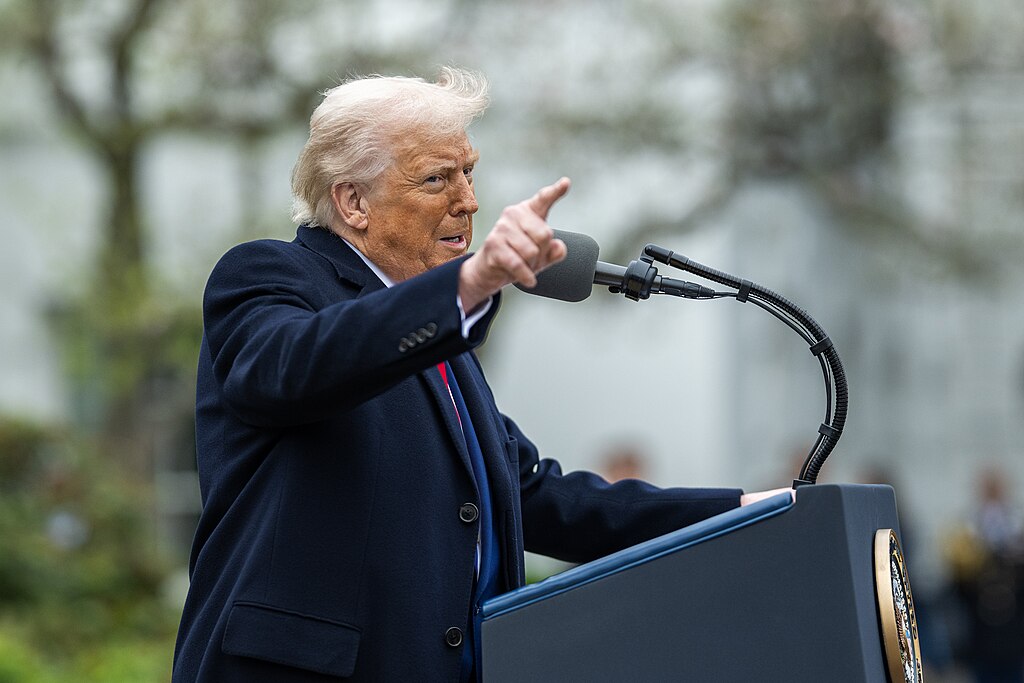
U.S. President Donald Trump has publicly urged Iranians to continue nationwide protests, escalating tensions as Iran’s leadership intensifies a crackdown on what are described as the largest demonstrations in years. In a post on his Truth Social platform, Trump encouraged protesters to “keep protesting” and “take over your institutions,” adding that unspecified “help is on the way.” His remarks immediately drew sharp condemnation from Tehran, which accused Washington of inciting violence and undermining Iran’s sovereignty.
Trump said he had canceled all meetings with Iranian officials until the killing of protesters stopped and warned that those responsible for abuses would “pay a very big price.” While he did not clarify what form U.S. assistance might take, he told reporters that all options, including military action, were under consideration. He also warned of “very strong action” if Iran began executing protesters, amid reports from rights groups that death sentences may be imminent for some detainees.
Iranian authorities acknowledged that about 2,000 people have been killed during more than two weeks of unrest, marking the first official overall death toll. U.S.-based Human Rights Activists in Iran (HRANA) reported over 2,000 confirmed deaths, the majority being protesters, and said nearly 17,000 people have been detained. Communications blackouts and internet restrictions have limited independent verification, though satellite internet access was reported to be available in Iran through Elon Musk’s Starlink service.
Iran’s U.N. ambassador accused the United States and Israel of direct responsibility for civilian deaths, while Russia warned against foreign interference, saying it could have disastrous regional consequences. European leaders, including those from Britain, France, Germany, and Italy, summoned Iranian ambassadors to protest the crackdown, with EU officials calling the rising casualties horrifying.
The protests, triggered by economic hardship and currency collapse, have evolved into broader calls for the fall of Iran’s clerical establishment. Despite international pressure and new U.S. tariffs targeting countries trading with Iran, analysts say there are still no clear signs of a fracture within Iran’s security forces, leaving the country’s future uncertain but volatile.