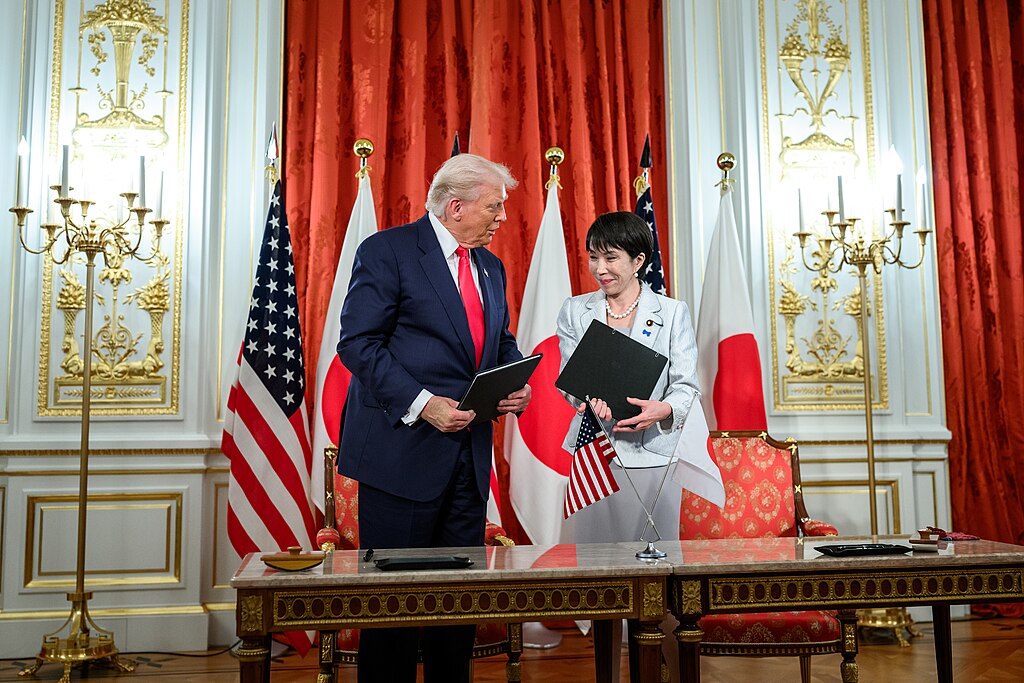
U.S. President Donald Trump has asked Japanese Prime Minister Sanae Takaichi to avoid escalating tensions with China after her recent comments on Taiwan triggered a major diplomatic backlash. According to two Japanese government sources familiar with the call, Trump conveyed his concerns during a conversation earlier this week, urging restraint while navigating the sensitive geopolitical issue.
Takaichi sparked the sharpest diplomatic clash with Beijing in years when she told Japan’s parliament that a potential Chinese attack on Taiwan could lead to Japanese military involvement. Her remarks provoked an angry response from China, which insists Taiwan is part of its territory and demanded that she withdraw her statements—an action she has not taken. Taiwan, home to 23 million people, rejects Beijing’s sovereignty claims and maintains that unification with China is not an option.
During the call, Trump—who is attempting to preserve a delicate truce in the ongoing U.S.-China trade tensions—did not issue specific demands but made clear that he wants Japan to avoid steps that could further inflame relations with Beijing. The Wall Street Journal first reported Trump’s call for de-escalation. The discussion came immediately after Trump spoke with Chinese President Xi Jinping, who reiterated that Taiwan’s “return to China” remains central to Beijing’s long-term strategic goals, according to state-run Xinhua.
China later urged the United States to restrain Japan, warning against what it described as potential “actions to revive militarism,” in an editorial published by the Communist Party’s official newspaper. The article argued that both Washington and Beijing share a responsibility to safeguard the post–World War II international order.
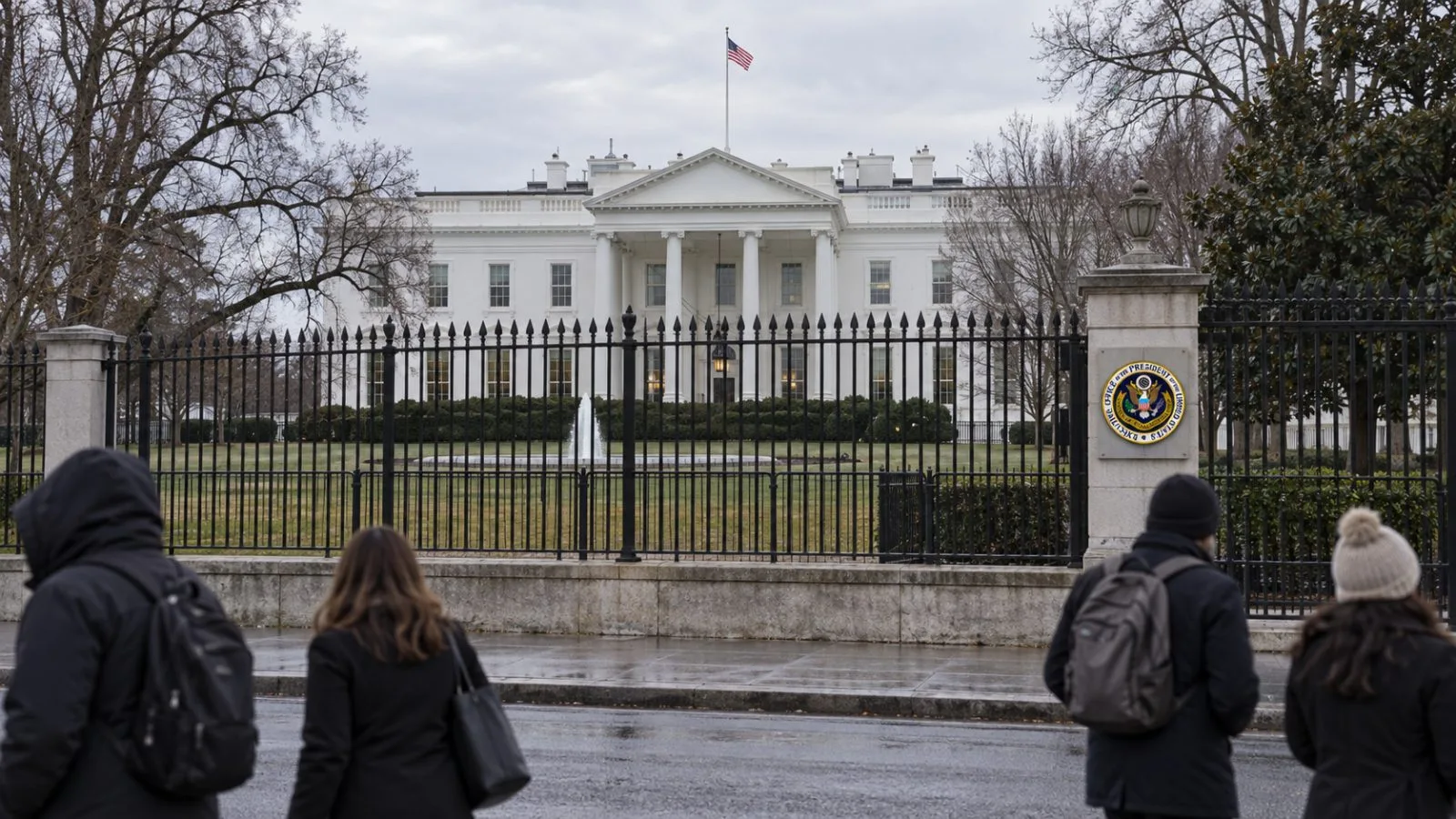
The White House emphasized that U.S.-China ties remain strong and that stability in the relationship benefits Japan as a close American ally. Japan’s Prime Minister’s Office declined further comment, referring instead to its official readout stating only that Takaichi and Trump discussed U.S.-China relations.