The ongoing U.S.-Israeli military campaign against Iran has entered a dangerous new phase, with retaliatory strikes on critical energy infrastructure sending global oil and gas prices soaring and rattling financial markets worldwide.
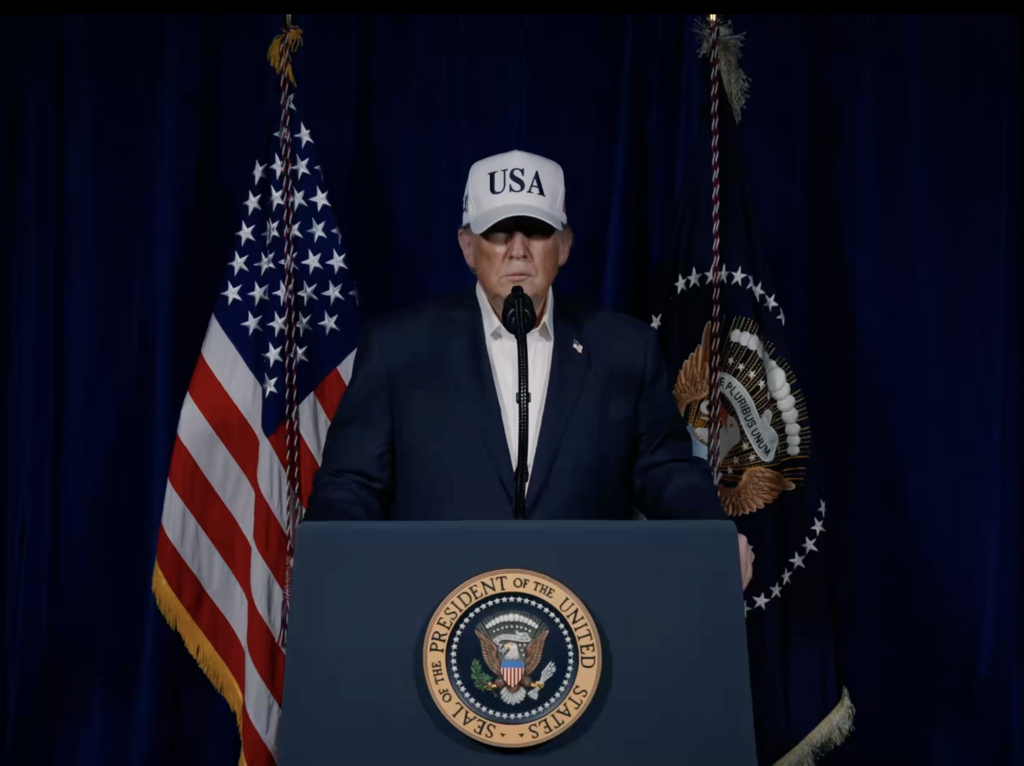
President Donald Trump revealed Thursday that he personally instructed Israeli Prime Minister Benjamin Netanyahu to halt attacks on Iranian natural gas facilities. "I told him, 'Don't do that,' and he won't do that," Trump told reporters during an Oval Office meeting with Japanese Prime Minister Sanae Takaichi. Netanyahu later confirmed Trump's request, while stating Iran has been severely weakened after nearly three weeks of sustained aerial bombardment.
The energy crisis deepened dramatically after Iran struck Qatar's Ras Laffan Industrial City in retaliation for an Israeli attack on the South Pars gas field. QatarEnergy's CEO confirmed the attack knocked out roughly one-sixth of Qatar's liquefied natural gas export capacity, representing $20 billion in annual revenue, with repairs expected to take up to five years. Iran also targeted Saudi Arabia's key Red Sea port and struck oil facilities in Israel's Haifa port, while forcing the UAE to shut down its Habshan gas facility and igniting fires at two Kuwaiti refineries.
Brent crude climbed nearly 3% to $110.35 per barrel, while European gas prices surged over 15%, having already jumped more than 60% since hostilities began. Global stock markets fell sharply in response, and both the European Central Bank and Bank of England held interest rates steady amid growing inflation fears.
Seven major U.S. allies, including Britain, France, Germany, and Japan, issued a joint statement pledging readiness to help secure the Strait of Hormuz and stabilize energy markets, though no concrete action appeared imminent. The Trump administration is simultaneously seeking $200 billion in additional war funding, facing significant resistance in Congress.