


 EU Rejects Italy, Greece Calls for Fiscal Rule Flexibility
  US, EU Push for Action Against Asia’s Excess Factory Capacity
  Fed Minutes Signal Another Rate Hike by Year-End
  Venezuela’s Machado Calls for Elections by July 2027
  Trump Rallies in Texas as Republicans Face Tight Midterm Races
  Asian Currencies Mixed as Yen Weakens, Dollar Holds Firm
  Trump Buys Up to $25M in Meta Stock, Invests in SpaceX Debt
  Zelenskiy Slams US Over Deadly Russian Strikes on Ukraine
  Trump Sanctions International Criminal Court, Sparking EU Backlash
  Italy Approves Electoral Reform Ahead of 2027 Election
  Hegseth Praises USS Abraham Lincoln Crew After Record Iran War Deployment
  US-Led Coalition Targets Global Factory Overcapacity
  Trump Secures Russian Diesel Deal as US Fuel Prices Surge
  European Stocks Fall as Oil Rises Ahead of Fed Minutes
  Wall Street Falls as Oil Prices Rise and Tech Stocks Slide
  US Stock Futures Flat as Fed Minutes, Earnings Loom
  France to Release 10 Million Barrels of Diesel to Ease Fuel Prices


 Add as a preferred source on Google
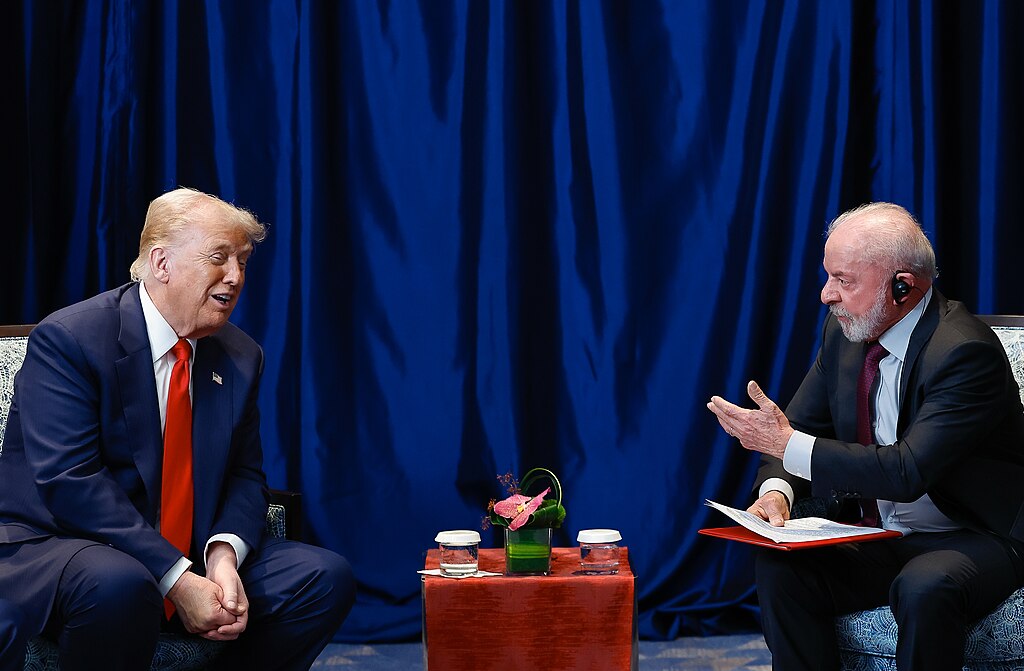
U.S. President Donald Trump and Brazilian President Luiz Inacio Lula da Silva held a 40-minute phone call on Tuesday focused on strengthening bilateral trade, economic cooperation, and joint efforts to combat international organized crime. Both governments described the conversation as positive, with Trump calling it “a great talk” and highlighting discussions on trade and sanctions. His remarks appeared to reference recent U.S. actions tied to Brazil’s judicial proceedings involving former President Jair Bolsonaro, a close Trump ally.
Trump noted that the two leaders reviewed the sanctions he had imposed in response to developments related to Bolsonaro’s criminal case. He added on social media that he looks forward to meeting with Lula soon and expressed optimism that “much good will come out of this newly formed partnership,” signaling a potential reset in U.S.–Brazil relations.
According to Brazil’s presidential palace, Lula used the call to thank Trump for removing additional U.S. tariffs on Brazilian imports such as coffee, beef, cocoa, and various fruits. The 40% tariffs—introduced in July as part of a pressure campaign over Bolsonaro’s prosecution—were lifted last month, easing tensions between the two countries. Lula emphasized Brazil’s desire to continue negotiations to eliminate remaining trade barriers and promote fair market access for both nations.
The call also highlighted shared security concerns. Lula underscored the urgency of deeper cooperation with Washington to counter transnational criminal networks, a priority as the United States expands operations in the region. Recent U.S. actions include a significant military buildup in the Caribbean and ongoing strikes on suspected drug-trafficking vessels off Venezuela’s coast.
Both sides signaled that Tuesday’s discussion marked a constructive step toward stronger diplomatic and economic ties, with trade, sanctions policy, and regional security expected to remain central in future engagements.







