


 China Resumes US Soybean Purchases After Trump-Xi Summit
  Netanyahu Rejects Preemptive Iran Strike Ahead of Israel Election
  IMF Warns US Debt Crisis Needs Fiscal Action, Urges China to Boost Consumption
  Trump Announces Massive Oil and Mineral Exploration Plans in Greenland
  Trump Warns Houthis Over Attacks, Considers Erdogan Intervention
  Most Americans Oppose Election Betting on Prediction Markets, Poll Finds
  MI5 Warns of Rising Iran, Russia Threats and AI Bioweapon Risks
  Elon Musk Donates $366 Million to 2026 US Midterms
  US Justice Department Drops Prosecution of Ex-CIA Analyst Sue Mi Terry
  China Warns Taiwan Over South China Sea Coast Guard Incident
  US Supreme Court Denies Release of Anti-ICE Activist Kyle Wagner
  Kim Jong Un Showcases ICBM Ahead of Possible Trump Meeting
  SpaceX Starlink Restrictions Disrupt Ukraine Military Operations
  Flavio Bolsonaro Backs Brazil’s 40-Hour Workweek Reform Ahead of Runoff
  UN Urges Talks on Lebanon Peacekeeping Mission Extension
  Trump Confirms US Intelligence Sharing With Ukraine Amid Russian Strikes
  Zelenskiy Says Ukraine Received No Warning Before Russian Missile Attack


 Add as a preferred source on Google
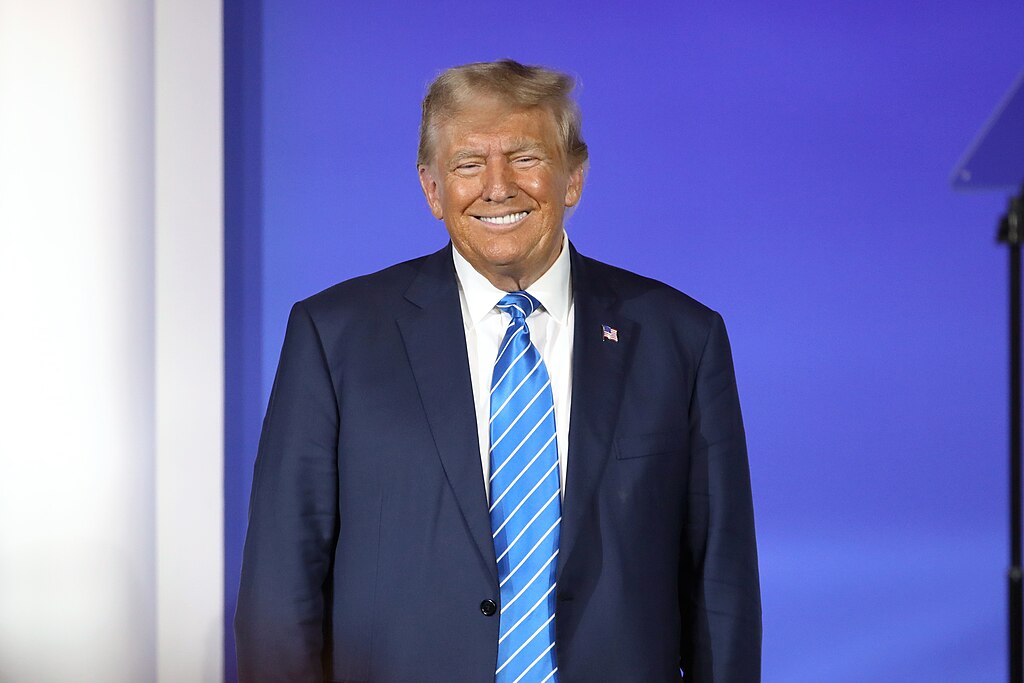
Former President Donald Trump, addressing one of the most divisive topics in U.S. politics, has reignited debates on immigration policy by proposing a controversial approach to handling illegal immigrant families. Speaking at a rally in Texas, Trump suggested that families apprehended at the border should not be separated but instead deported together as a unit.
Trump’s Immigration Policy Proposal
During his speech, Trump criticized the Biden administration’s handling of border security, labeling it as chaotic and ineffective. He asserted that his administration, if reelected, would take a “common-sense approach” to address the immigration crisis, including stopping family separations while ensuring swift deportations.
“The solution is simple: keep families together, but send them back home. We don’t break up families; we enforce the law,” Trump told a crowd of supporters. He emphasized that his plan would deter illegal crossings and avoid the emotional and political fallout caused by family separations.
This policy marks a departure from the zero-tolerance approach implemented during Trump’s first term, which faced widespread backlash after reports surfaced of children being separated from their parents and housed in detention facilities. Trump, however, blamed the controversy on media misrepresentation and logistical challenges within immigration enforcement agencies.
Reactions From Lawmakers and Advocacy Groups
The announcement has drawn both praise and criticism from political figures and immigrant advocacy groups. Republicans largely applauded the proposal, calling it a balanced solution to a long-standing problem. Senator Lindsey Graham described it as “a humane yet firm strategy.”
Democrats and human rights organizations, however, condemned the plan. Representative Alexandria Ocasio-Cortez called it “a continuation of cruel policies under the guise of compassion.” Meanwhile, the American Civil Liberties Union (ACLU) expressed concern over the lack of legal representation and due process for families facing deportation.
Immigration advocates have also highlighted potential flaws, noting that the plan fails to address the root causes of migration, such as violence and economic instability in Central America.
Social Media Erupts Over Trump’s Proposal
Trump’s statement immediately ignited debate on social media platforms, with users expressing a wide range of opinions. While supporters rallied behind his vision, critics voiced fears over its implications.
- @LibertyFirst: “Trump has the guts to fix the border crisis. Keeping families together while enforcing the law is genius!”
- @ResistanceRises: “This is just family separation in disguise. Trump’s policies continue to harm vulnerable families seeking refuge.”
- @MAGA2024: “Send them back together! Finally, a solution that protects borders and families. #Trump2024”
- @ImmigrantRightsNow: “Breaking families apart or sending them back together—both are cruel. Where’s the humanity?”
- @PatriotMom77: “Trump’s right—secure the border and end the chaos. Families belong together, but not in our country illegally.”
- @JusticeForAll: “This rhetoric fuels xenophobia. We need compassion, not deportations masquerading as solutions.”
Examining the Implications
Trump’s proposal underscores his commitment to strict immigration enforcement while attempting to mitigate the backlash from family separations. However, experts caution that logistical and ethical challenges remain. Critics argue that deporting families en masse could violate international asylum laws and exacerbate humanitarian crises in their home countries.
As the 2024 election draws closer, Trump’s immigration plan is likely to remain a contentious issue, galvanizing both his base and his detractors. Whether this approach will resonate with undecided voters or deepen the partisan divide remains to be seen.







