


 Most Americans Oppose Election Betting on Prediction Markets, Poll Finds
  China Resumes US Soybean Purchases After Trump-Xi Summit
  Trezor Cuts Reseller Network After Ledger Security Breach
  Moonshot AI Executives Seek Settlement Ahead of Hong Kong IPO
  US Justice Department Drops Prosecution of Ex-CIA Analyst Sue Mi Terry
  BlackRock CEO Warns Data Center Ban Could Trigger US Recession
  Arthur Hayes Announces FLOP Testnet Launch Within Weeks
  Samsung, SK Hynix Shares Fall as China's CXMT Advances DRAM Technology
  US Recalls Nicaragua Envoy After Ambassador Rejection
  Nvidia CEO Jensen Huang Open to Cutting Chip Supply Over Unsafe AI
  IMF Warns US Debt Crisis Needs Fiscal Action, Urges China to Boost Consumption
  Anduril Valuation Hits $90 Billion in Employee Share Sale
  Trump Denies Russia and China Are Helping Iran in U.S. Conflict
  Amazon in Talks to Acquire AI Startup Decart for $7 Billion
  Italy’s Meloni Warns US-Russia Diesel Deal Could Weaken Ukraine Sanctions
  Jordan Bardella Antisemitism Allegations Threaten Le Pen’s Campaign


 Add as a preferred source on Google
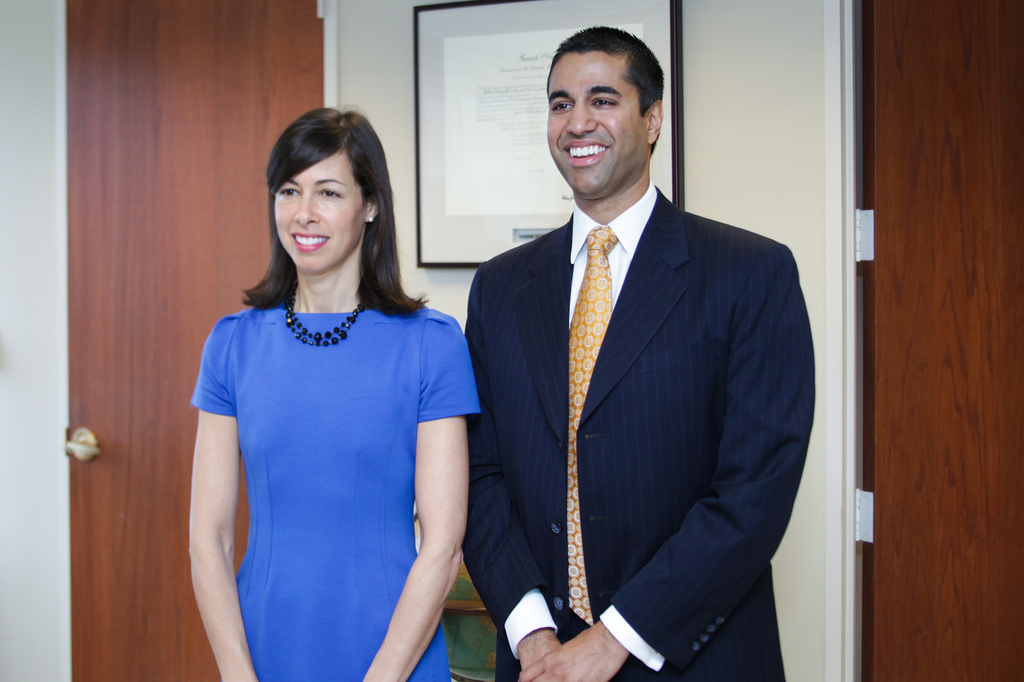
Internet access has become such a huge part of daily life now that not having access to it is like not having access to public schools. It puts a lot of people, especially the poor in a hugely disadvantageous position. This is why several companies wanted to provide low-income Americans with internet access and they relied on government subsidies for that. Unfortunately, the new FCC under President Donald Trump doesn’t care and is scaling back on the project.
Ajit Pai, the new FCC chairman made several changes upon assuming his post, one of the biggest of which is the cancellation of adding nine companies from the list of network providers that will help give poor Americans access to the internet. This move was billed as a means of fighting fraud in a program that featured a shocking number of scams, Fortune reports, but its effects on low-income communities are going to be significant.
Public Knowledge is one of the organizations that were relying on the program to provide poor households with an internet connection. In a statement, the group stressed that interfering with the subsidies would “likely result in needy families losing access to the critical connectivity they use to communicate with loved ones, look for employment [and] complete homework assignments.”
What makes this case even more notable, however, is the fact that none of the nine companies that were just blocked from entering the program are being suspected of having committed fraud, Ars Technica reports. When a spokesperson for the commission was approached to explain why this is the case, said spokesperson referred the publication to the order and said that it speaks for itself.
It’s worth pointing out that the program is still ongoing and poor communities won’t likely lose the internet access they were provided completely. On that note, it will become much harder for the children of these communities to become competitive in an increasingly digitized world.







