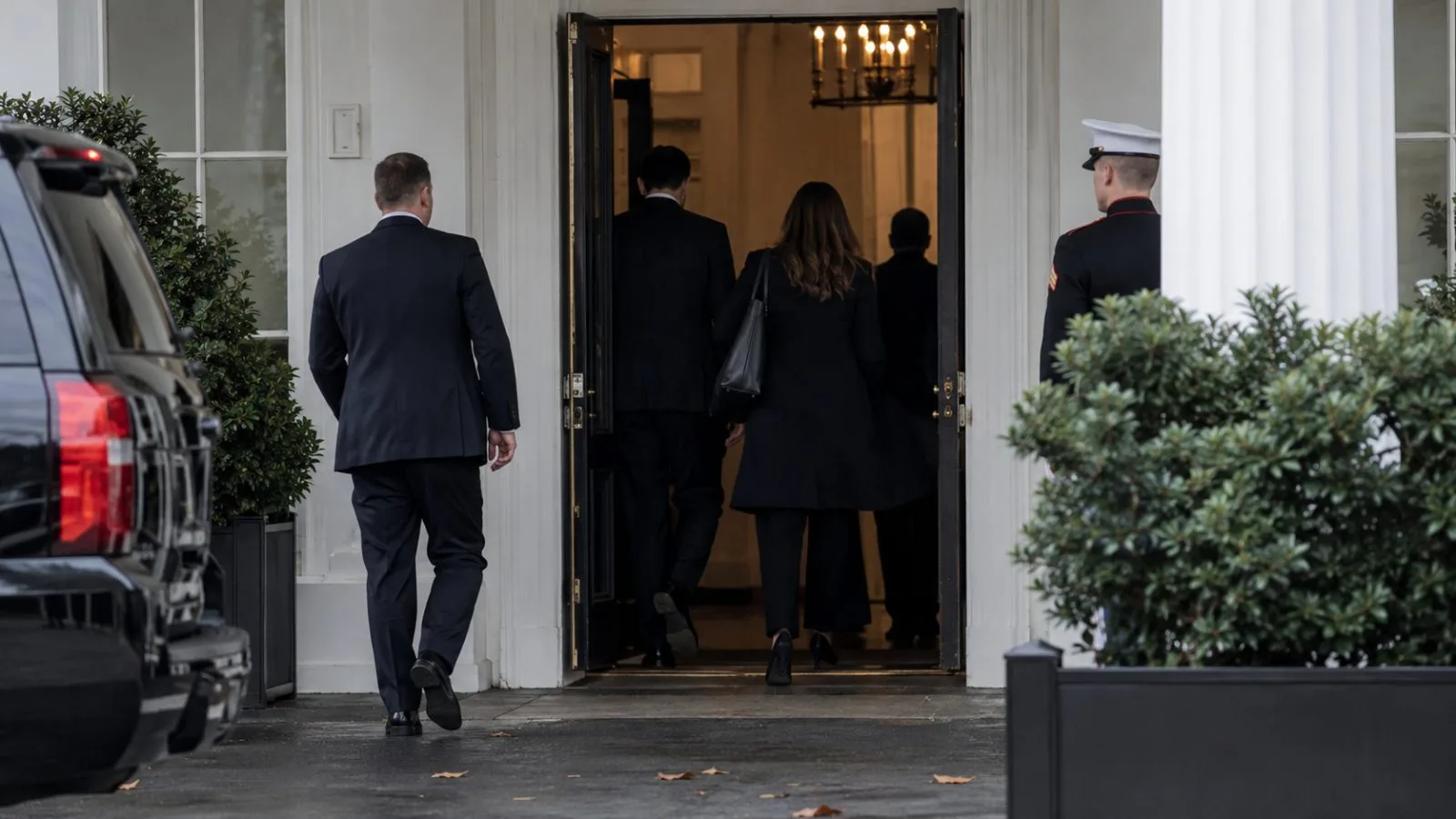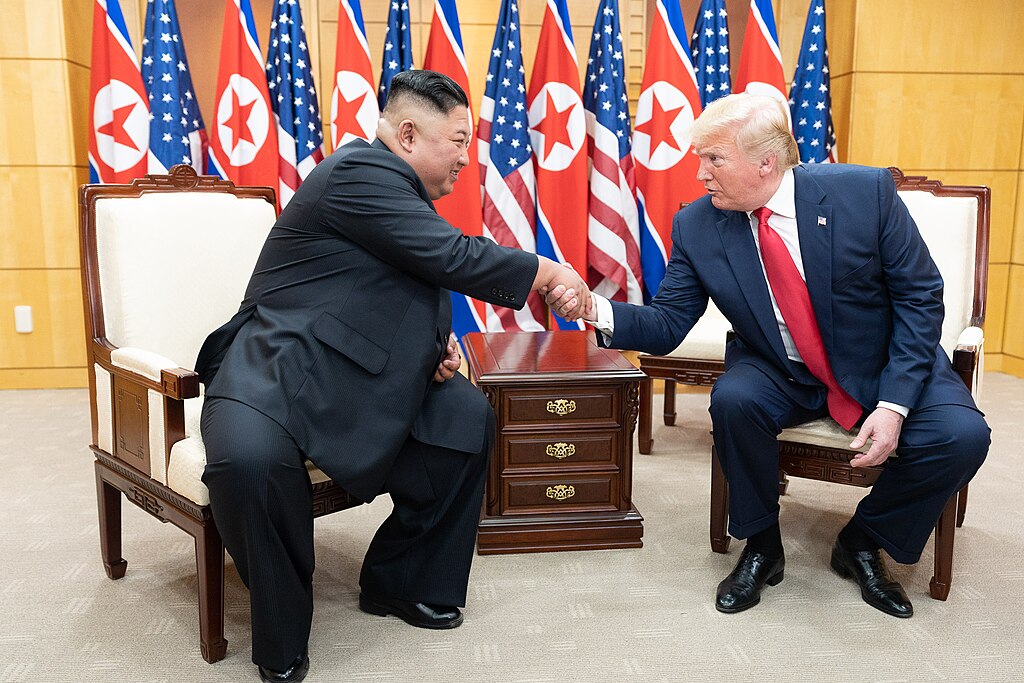
The United States remains open to dialogue with North Korea without preconditions, according to reports from South Korea’s Yonhap News Agency and other media outlets citing the White House. The statement reaffirms Washington’s longstanding position that diplomatic engagement is possible at any time, despite ongoing tensions over Pyongyang’s nuclear weapons program and regional security concerns.
The White House message comes as North Korean leader Kim Jong Un signaled a potential willingness to improve relations with the United States. Speaking earlier this week, Kim said there would be no reason to avoid building a positive relationship with Washington if the U.S. withdraws what he described as its “hostile policy” toward North Korea. His remarks have drawn international attention, raising questions about the future of U.S.-North Korea relations and the prospects for renewed nuclear negotiations.
Diplomatic talks between Washington and Pyongyang have remained largely stalled in recent years. Disagreements over denuclearization steps, sanctions relief, and military activities in the Korean Peninsula have prevented meaningful progress. However, the Biden administration has repeatedly emphasized that it is prepared to meet North Korean officials “anytime, anywhere” without demanding prior conditions, a stance designed to encourage dialogue and reduce tensions.
Security analysts note that renewed communication could help stabilize the region, particularly amid ongoing missile tests and military exercises that have heightened concerns among South Korea, Japan, and other regional stakeholders. The Korean Peninsula remains one of the most sensitive geopolitical flashpoints, making diplomatic engagement a critical tool for managing risks.
While it remains unclear whether North Korea will respond positively to the U.S. offer, the latest statements from both sides suggest a narrow opening for diplomacy. Observers say sustained dialogue, mutual trust-building measures, and clarity around security guarantees could determine whether talks move forward and ease longstanding tensions between Washington and Pyongyang.