


 Central Banks Could Buy 20,000 Tonnes of Gold: BofA
  UK Businesses Urge Government to Cut Electricity Levies
  Asian Currencies Subdued as Yen Weakens Ahead of Fed, BOJ Decisions
  Oil Prices Surge as Houthi Attacks Deepen Hormuz Supply Fears
  Asian Currencies Steady as Yen Holds Firm, Oil Tops $100
  US Treasury Yields Near 5% as Oil Fuels Inflation Fears
  Asian Stocks Fall as AI Fears and Oil Surge Hit Markets
  EUR/USD Eyes 1.17 as Fed Decision Could Weigh on Dollar
  UK Economy Grows 0.4% in July, Beating Forecasts
  Treasury Buyback Fails to Cool Long-Term Yields
  ECB Rate Hike in Focus as Oil Tops $100
  Saudi Oil Exports Face 4% Global Supply Threat as Pipeline Remains Shut
  Gulf Ministers to Meet Iran in Oman Over Hormuz Shipping Deal
  Norway Core Inflation Rises to 3% in August
  Gold Prices Steady as Hot PPI Boosts Fed Rate Hike Bets
  White House Weighs Refined Copper Tariffs as Cost Concerns Grow
  BOJ Flags Import Costs and Yen Shocks as Persistent Inflation Risks


 Add as a preferred source on Google

Turkey confirmed its first case of the new coronavirus on March 11, but since then the speed of its infection rate has surpassed that of many other countries with cases doubling every two days. On April 2, Turkey had more than 15,000 confirmed cases and 277 deaths from complications related to the coronavirus, according to data collated by John Hopkins University.
The Turkish government has called for people to stay at home and self-isolate. Mass disinfection has been carried out in all public spaces in cities. To encourage residents to stay at home, all parks, picnic areas and shorelines are closed to pedestrians.
Some airports are closed and all international flights to and from Turkey were banned on March 27. All schools, universities, cafes, restaurants, and mass praying in mosques and other praying spaces has been suspended, and all sporting activities postponed indefinitely.
Manufacturing remains open
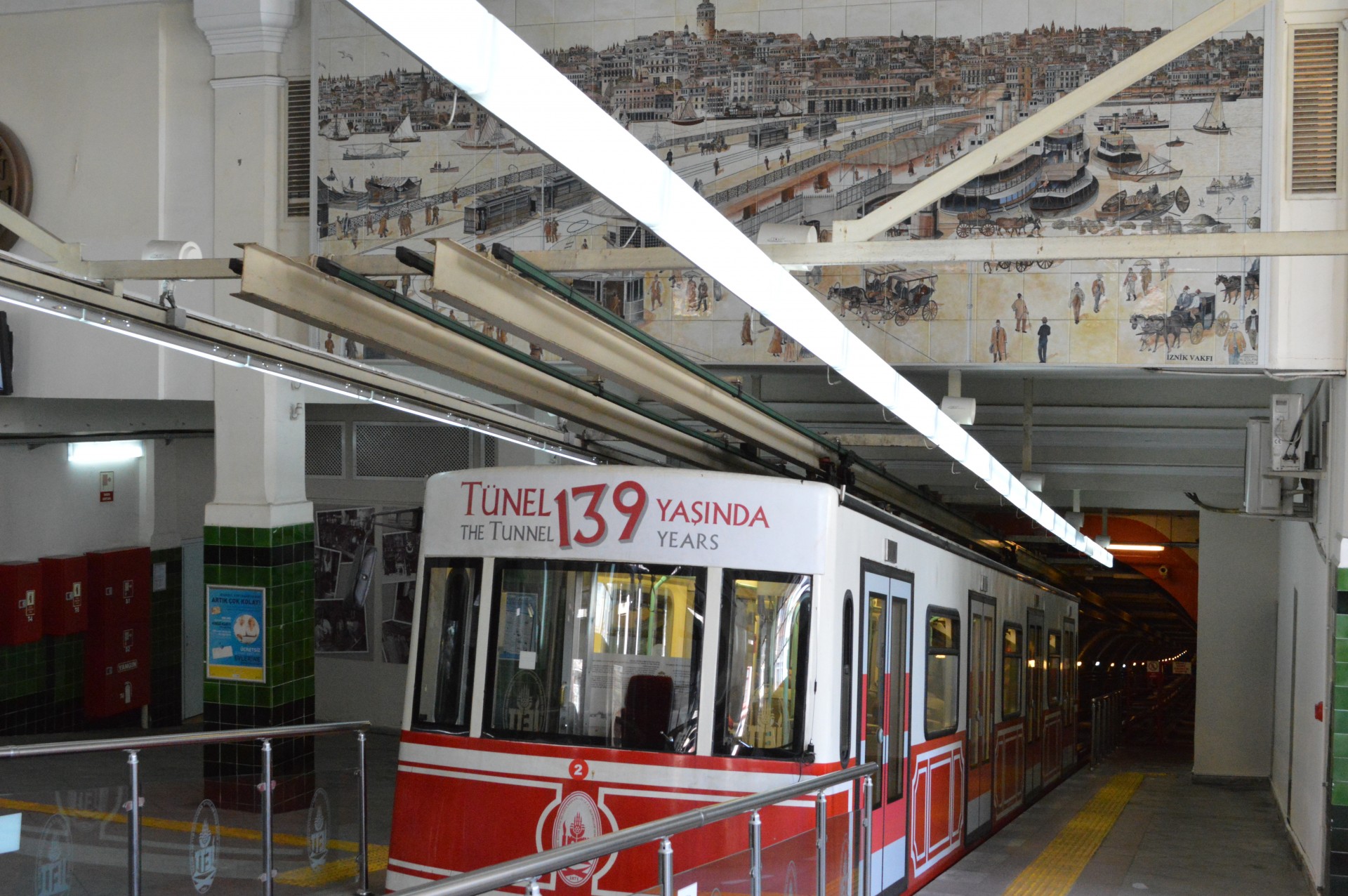
Many small businesses in the service sector are closed, and many companies in banking, insurance and R&D have switched to working from home. But in many industrial sectors, such as metal, textile, mining and construction, millions of workers are still forced to go to work or face losing their jobs. In Istanbul, where more than a quarter of Turkey’s GDP is produced, the public transport system still carries over a million people daily.
Recep Tayyip Erdoğan, Turkey’s president, has openly opposed a total lockdown, arguing a stay-at-home order would halt all economic activity. On March 30, he said continuing production and exports was the country’s top priority and that Turkey must keep its “wheels turning”.
But in the short term, many of Turkey’s export markets for minerals, textiles and food, such as Germany, China, Italy, Spain, Iran and Iraq, are already closed due to the virus. This has led to enormous surpluses piling up in warehouses. Even where there are overseas customers, getting the goods delivered has proven difficult. The process of sanitising and disinfecting the trucks and testing the drivers before they travel takes many extra hours, sometime days, after waiting in long lines.
Still, Erdogan’s statements give the impression that he sees this pandemic not only as a serious crisis, but also as an opportunity for Turkish manufacturers. The hope is that, after the Chinese shutdown, European producers which depend on Chinese companies for a range of semi-finished products may consider Turkey as an alternative supplier in the longer term. That’s why the government is still allowing millions of workers to go to factories, mines and construction sites despite the huge health risk.
A bruised economy
The Turkish government announced a 100 billion lira (£12 billion) stimulus package on March 18. It included tax postponement and subsidies directed at domestic consumption, such as reducing VAT on certain items and suspension of national insurance payments in many sectors for six months. But this is an insignificant sum for an economy as big as Turkey’s.
Most of the support will go to medium and large companies that were forced to close, and only a very tiny amount to individual workers. In order to benefit from the scheme, a person must have worked at least 600 days in the past three years (450 days for those in Ankara). Those with most need get the lowest level of help or no help from the state.
The tourism sector, which accounts for about 12% of the economy, has already been decimated. Some 2.5 million workers will not be able to work as they had been expecting to in the peak tourist months between April and September.
Limited room for manoeuvre
Even before the virus hit Turkey the economy was already weak, still trying to recover from the impacts of a 2016 coup attempt and a 2018 currency crisis, both of which caused severe stress to Turkey’s economic and financial systems.
In March, Turkey’s Central Bank reduced its benchmark interest rate by 1%, and several of the country’s largest private banks announced measures to support the economy, such as suspending loan repayments. As a result, the Turkish lira initially held up reasonably well, compared with other emerging market economies, but it fell to an 18-month low on April 1 as the coronavirus death rates accelerated. Official interest rates have fallen below 10%, providing some protection to those holding Turkish lira versus some foreign currencies.
Turkey’s financial options to limit the impact of the crisis are limited. Credit rating agency Moody’s revised its prediction for the country GDP from 3% growth in 2020 to a 1.4% contraction. Still, it may get a reprieve from the low oil price. Turkey imports almost all its energy needs, and with the recent fall in the price of oil and gas, this means Turkey could save about US$12 billion (£9.6 billion) in energy imports.
It is hard to see very far ahead. During the next few months, it’s expected that Turkey, alongside South Africa and Argentina, could be sliding toward insolvency and debt default. After that, everything depends on how this crisis progresses and how long it will take to end.







