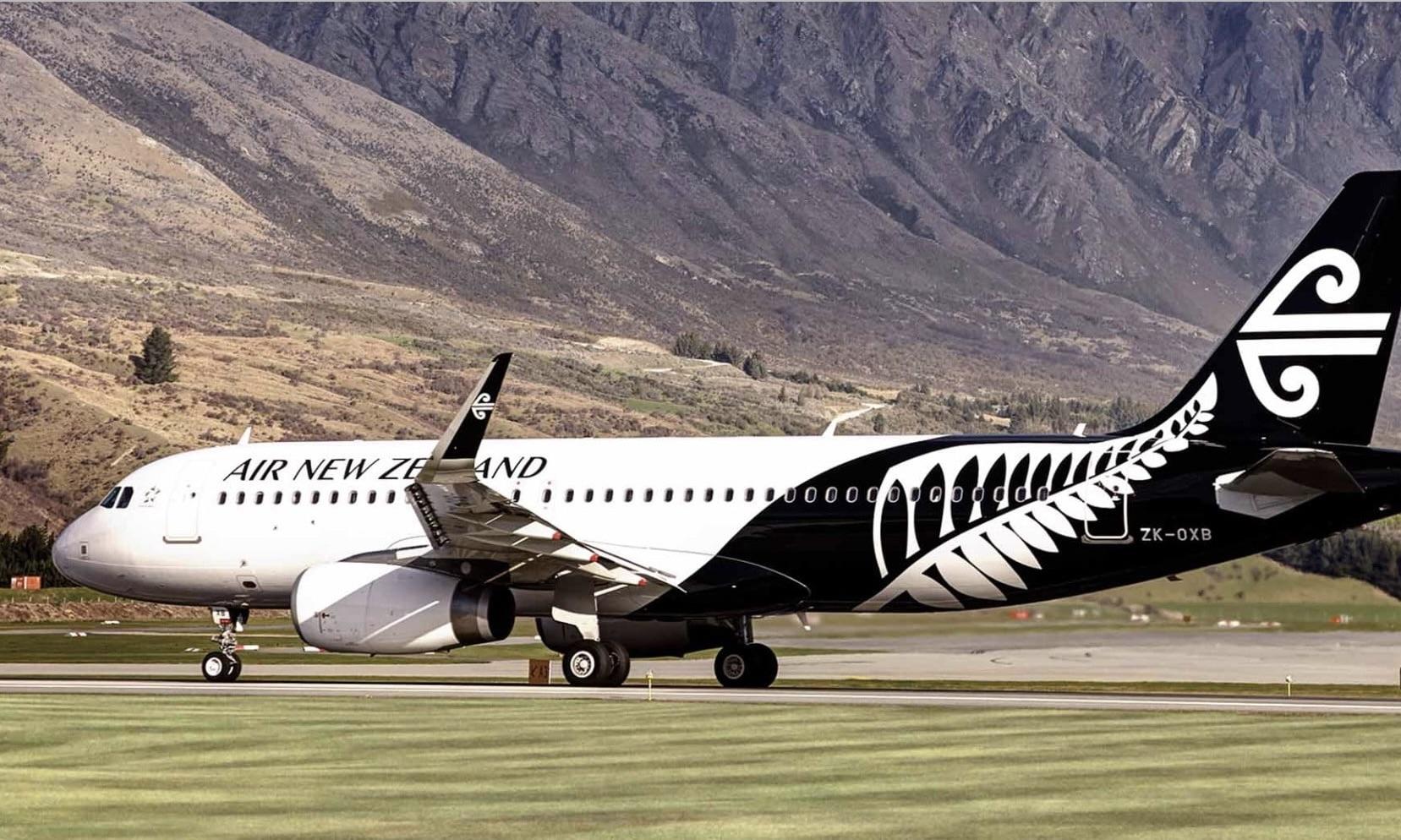
Air New Zealand delivered a financial update that rattled investors, announcing a reduction in its annual earnings forecast. This was due to the ongoing cost-of-living crisis and economic downturn affecting revenue streams, particularly in its domestic and North American markets.
According to Reuters, this revision prompted a significant drop in the carrier's stock value, with shares tumbling as much as 3.5% to NZ$0.550. It marked the lowest point since July 1, 2022, and positioning the airline for its roughest trading day since March 7, assuming the decline persists.
Earnings Expectations Revised
MSN reported that the national carrier of New Zealand has recalibrated its financial outlook. It now expects earnings before taxation to fall between NZ$190 million ($112.01 million) and NZ$230 million for the fiscal year 2024. This projection is a downturn from the estimated range of NZ$200 million to NZ$240 million.
The airline attributes this adjustment to several factors, including an intensely competitive pricing environment in North America, where U.S. carriers have aggressively expanded their capacity into the New Zealand market.
Competitive Pressures and COVID-19 Impact
The airline signaled a cautious stance earlier in February, attributing the lowered earnings expectation to high engine maintenance costs and other challenges.
Facing fierce competition from American airlines over pricing has been a tough hurdle, with Air New Zealand struggling to maintain profitability in a small domestic market known for its slim margins. Industry analysts, such as Brad Smoling from Smoling Stockbroking, highlighted the enduring geographic and competitive challenges faced by Air New Zealand, forecasting ongoing difficulties for the airline.
Adding to the airline's woes, Air New Zealand also announced an anticipated hit of NZ$95 million due to COVID-related credit breakages for the current fiscal year, further dampening the earnings outlook. This combination of heightened competition, economic headwinds, and pandemic-related financial impacts outlines a challenging path for New Zealand's leading airline as it navigates through turbulent times.
Photo: Air New Zealand Newsroom