


 Trump Announces Russia-Ukraine Energy Ceasefire as Zelenskiy Awaits Details
  North Korea Fires Ballistic Missiles as Tensions With South Korea Escalate
  Yandex Data Center Hit by Drone Strike as Russia-Ukraine Cyber Infrastructure Attacks Escalate
  US Condemns China Sanctions on Taiwan Allies Belize and Paraguay
  Trump Announces Russia-Ukraine Energy Ceasefire Amid U.S. Pressure on Kyiv
  Zelenskiy Offers Russia Energy Truce Amid Trump Pressure
  India Voter List Protests Reach Supreme Court as Opposition Demands Election Chief's Resignation
  NATO Commander Warns Russia of Devastating Response to Attack
  Trump Denies Russia and China Are Helping Iran in U.S. Conflict
  Pakistan Declares Emergency in Khyber Pakhtunkhwa, Suspends Imran Khan’s PTI Government
  Greenland Lawmakers Back Trump Security Deal Despite Economic Concerns
  Trump Calls for Zelenskyy Replacement Amid Russian Diesel Deal
  Elon Musk Donates $366 Million to 2026 US Midterms
  Mahmoud Abbas Postpones Palestinian Elections to September 2027
  Djibouti Migrant Boat Capsizes, Killing 139 and Leaving 84 Missing
  UK Finance Minister Healey Calls for Fiscal Discipline Amid Global Risks
  European Auto Stocks Rise as EU-China Trade Deal Targets Hybrid Imports


 Add as a preferred source on Google
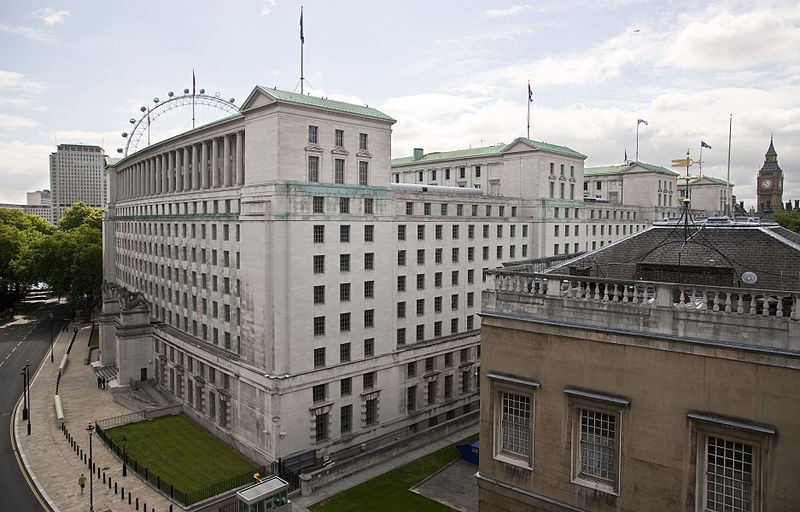
The United Kingdom is reportedly set to increase its defense spending by over $1 billion. The increase in the budget is expected to be announced by the spring of next year.
The Telegraph reported Saturday that the UK would be increasing its defense spending by over $1.2 billion in order to prevent a real-terms cut in the coming years. Finance minister Jeremy Hunt is expected to announce the increase in the defense budget in the spring. This comes after the report noted military experts estimating that the defense ministry budget for 2024/2025 must rise to £50.1 billion from £48.6 billion to avoid a real-term cut as inflation remains above 10 percent.
Last month, Hunt said during his autumn fiscal report that the government recognized the importance of increasing defense spending and that it would maintain the current budget of at least two percent of the UK’s gross domestic product in line with the countries under the NATO alliance.
“We have one of the largest defense budgets in Europe and in 2020 we announced the biggest increase to defense spending since the Cold War,” a spokesperson for the British government told Reuters.
The spokesperson added that any increase in defense spending would be considered in the next integrated review, the document that details the country’s security, defense, and foreign policy priorities in the spring.
Friday last week, passengers at British airports were informed of delays in their flights when passport control staff staged a walkout on what would be the first day of its strike that is expected to last until the New Year. However, Heathrow and Gatwick airports did not report of any disruptions taking place.
According to the Public and Commercial Services Union, over 1,000 Border Force Staff were expected to go on strike. The walkout by the passport control staff follows the strikes staged by nurses, paramedics, and workers in the rail and postal sectors, all demanding changes in pay and working conditions in what would be the biggest industrial action taken in the UK in decades.
The union said the Border Force Staff were offered a two percent increase in pay. The Border Force Staff apologized for the disruption in travel, adding that they are working with partners in the travel industry to support passengers and goods.







