


 Gold Prices Rebound as Dollar Weakens Ahead of US Inflation Data
  Nasdaq Falls as Oil Prices Surge Ahead of Bank Earnings
  US Dollar Index Falls as Fed Signals Caution, Indian Rupee Surges
  Oil Prices Fall as Russia Signals Higher Diesel Exports
  Wall Street Closes Lower as Bank Earnings and AI Concerns Weigh
  Philippines Current Account Deficit Seen at $19.1 Billion in 2026
  Fed's Hammack Urges Faster Rate Hikes to Fight Inflation
  China Bank Lending Rebounds in September, Beats Forecasts
  European Auto Stocks Rise as EU-China Trade Deal Targets Hybrid Imports
  Asian Stocks Plunge as AI Chip Selloff Hits South Korea and Japan
  Asian Currencies Steady as Dollar Nears 18-Month High Ahead of US CPI
  Asian Stocks Fall as Oil Prices Rise Ahead of US CPI Data
  Oil Prices Mixed as Russia Diesel Deal and Houthi Attacks Raise Supply Concerns
  Oil Prices Surge Above $106 After Deadly Saudi Airport Attack
  Gold Prices Mixed Ahead of US Inflation Data and Fed Rate Outlook
  Gaza Olive Harvest Collapses as War Destroys Farmland


 Add as a preferred source on Google
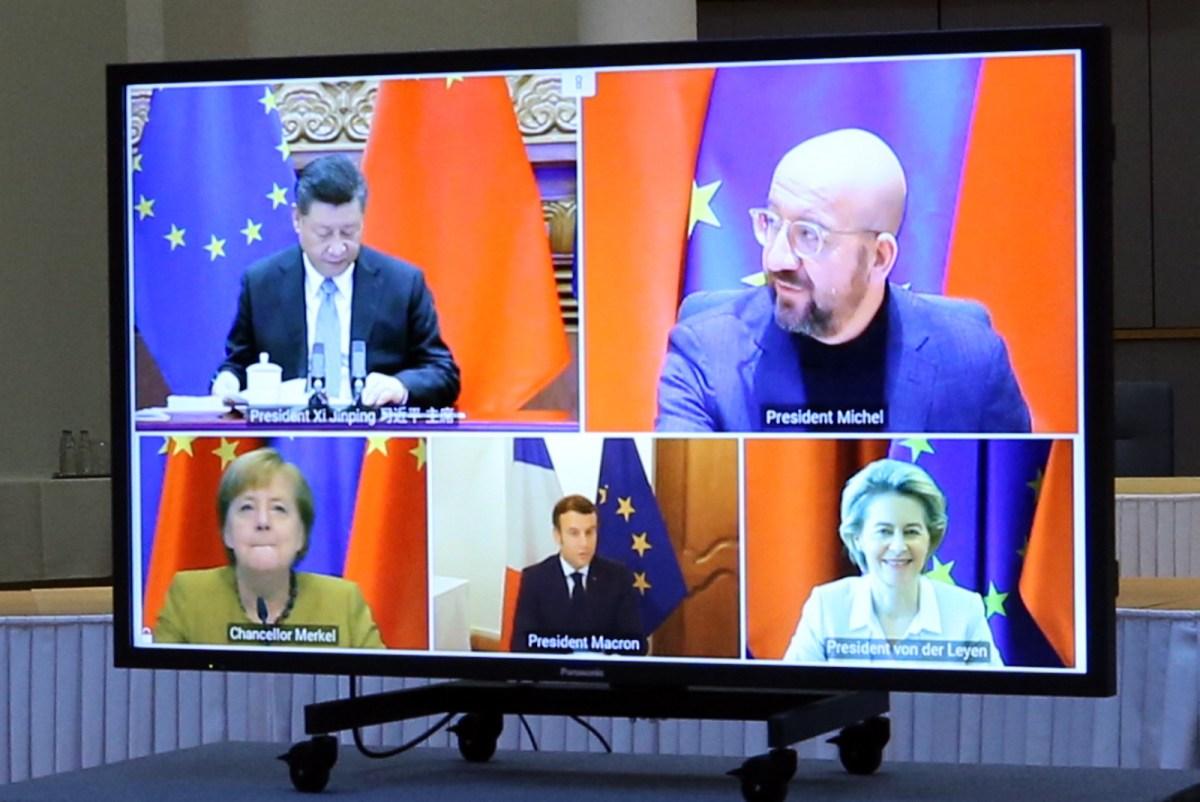
The EU will get better access to the Chinese market and improve competition conditions after it finalizes a long-awaited business investment deal with China this week.
The deal would open up China's manufacturing, construction, advertising, air transport, and telecoms sectors to EU firms. It will come shortly after the UK's trade agreement with the EU, which was announced on December 24.
Investment deal negotiations began in 2014 but the two sides were in a disagreement on several issues. However, rising trade tensions with the US prompted China to change its position.
China demands access to the EU's energy market, but there were concerns over national security. However, China is expected to be given access to a small part of the European renewable energy sector on a reciprocal basis.
The pact is also designed to remove barriers to investment in China such as joint-venture requirements and caps on foreign ownership in certain industries.
Once the expected deal is reached, it needs to be ratified by the European parliament, a process that may not begin until the second half of 2021.







