


 Trump Defends Russian Diesel Deal Amid US Sanctions Backlash
  Panama Declares Emergency After 7.7 Earthquake Triggers 200 Aftershocks
  US Authorities Raid Ilhan Omar’s Home Amid Immigration Fraud Probe
  Elon Musk Donates $366 Million to 2026 US Midterms
  Most Americans Oppose Election Betting on Prediction Markets, Poll Finds
  Trump Sanctions International Criminal Court, Sparking EU Backlash
  Trump Denies Russia and China Are Helping Iran in U.S. Conflict
  European Auto Stocks Rise as EU-China Trade Deal Targets Hybrid Imports
  Kim Jong Un Showcases ICBM Ahead of Possible Trump Meeting
  Jordan Bardella Antisemitism Allegations Threaten Le Pen’s Campaign
  Zelenskiy Seeks New US Talks to Revive Ukraine-Russia Peace Negotiations
  US Supreme Court Denies Release of Anti-ICE Activist Kyle Wagner
  Mahmoud Abbas Postpones Palestinian Elections to September 2027
  Pakistan Declares Emergency in Khyber Pakhtunkhwa, Suspends Imran Khan’s PTI Government
  Zelenskiy Says Ukraine Received No Warning Before Russian Missile Attack
  Djibouti Migrant Boat Capsizes, Killing 139 and Leaving 84 Missing
  North Korea Fires Ballistic Missiles Amid Rising Tensions With South Korea


 Add as a preferred source on Google
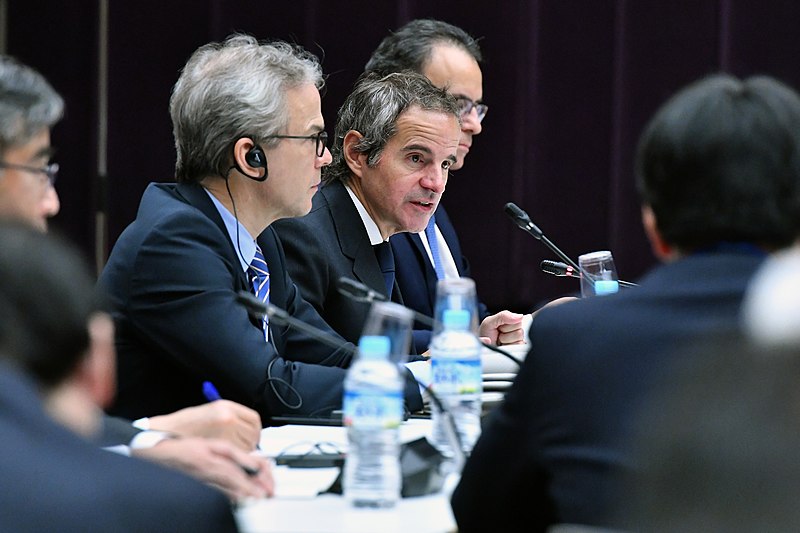
Talks between Iran and the world powers to revive the 2015 nuclear deal were placed on pause following the conflict in Ukraine, among other issues. The United Nations’ nuclear watchdog expressed concern about whether Tehran has fully disclosed its history of nuclear activities.
In a report by Reuters, the head of the International Atomic Energy Agency, Rafael Grossi, said Tuesday that Iran was slow-walking the information on uranium particles that were found at old undeclared nuclear facilities in the country.
The talks to revive the nuclear deal was paused in March due to Tehran’s demand that the country’s Revolutionary Guard would be removed from the US’ “foreign terrorist organization” designation list. Another issue that has caused tensions between Iran and the West was Iran’s demand to dismiss the watchdog’s investigation over the uranium particles in undisclosed nuclear facilities in the country.
The findings suggest that Iran did not declare the nuclear material in the said sites. This also comes as both the IAEA and Iran agreed on a three-month plan back in March for a series of exchanges which Grossi will report his conclusion in June to the watchdog’s Board of Governors.
Western diplomats, however, were reportedly skeptical about whether Tehran has given satisfactory answers to the agency.
Grossi told the EU parliament that he was still concerned about the situation and told Iran that he found it difficult to imagine that a nuclear deal could be reached if the IAEA still had doubts about things that the agency should have known.
Over the weekend, Iran confirmed that the EU’s nuclear talks representative would be arriving in the country this week. The visit by EU envoy Enrique Mora comes as the European Union is seeking to break the deadlock and come to an agreement after months of negotiations in Vienna.
At the same time, EU foreign policy chief Josep Borell told the Financial Times that he was seeking a middle ground to end the deadlock. Borrell said he was considering a situation when the FTO designation would be lifted from Iran’s Revolutionary Guards but remain in place in other aspects of the organization.







