


 Zelenskiy Seeks New US Talks to Revive Ukraine-Russia Peace Negotiations
  North Korea Fires Ballistic Missiles as Tensions With South Korea Escalate
  Jordan Bardella Antisemitism Allegations Threaten Le Pen’s Campaign
  Elon Musk Donates $366 Million to 2026 US Midterms
  US Senate Midterms 2026: Key Races That Could Flip Control
  Most Americans Oppose Election Betting on Prediction Markets, Poll Finds
  Zelenskiy Says Ukraine Received No Warning Before Russian Missile Attack
  Flavio Bolsonaro Backs Brazil’s 40-Hour Workweek Reform Ahead of Runoff
  European Auto Stocks Rise as EU-China Trade Deal Targets Hybrid Imports
  Trump Denies Russia and China Are Helping Iran in U.S. Conflict
  US Condemns China Sanctions on Taiwan Allies Belize and Paraguay
  US Supreme Court Denies Release of Anti-ICE Activist Kyle Wagner
  Trump Defends Russian Diesel Deal Amid US Sanctions Backlash
  MI5 Warns of Rising Iran, Russia Threats and AI Bioweapon Risks
  Trump Warns Houthis Over Attacks, Considers Erdogan Intervention
  Mahmoud Abbas Postpones Palestinian Elections to September 2027


 Add as a preferred source on Google
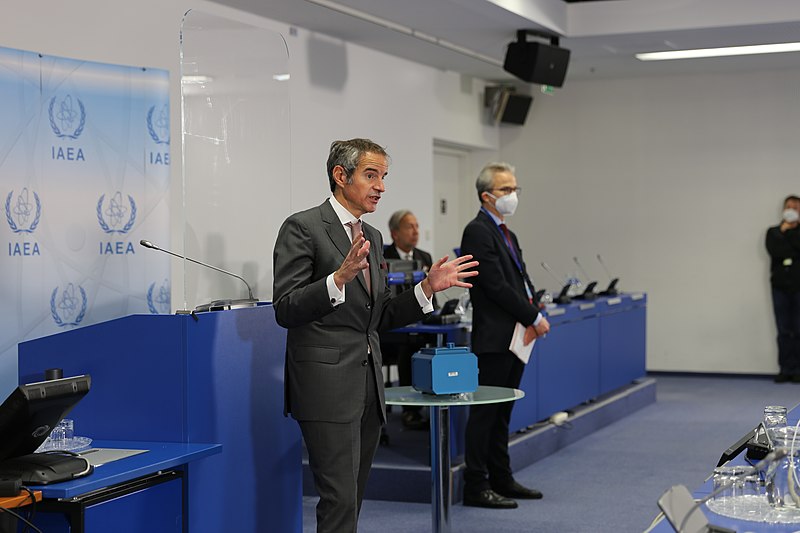
The United Nations’ nuclear watchdog reported that Iran has transferred its workshop for producing parts for centrifuges. International Atomic Energy Agency head Rafael Grossi said this week that Tehran has moved its centrifuge part workshop underground.
Grossi said Thursday that Iran has moved its workshop that produces parts for its centrifuges – the machines that enrich uranium – underground, according to Reuters.
The workshop uses machines from a facility in Karaj that is now shut down after suffering what Iran claims were a sabotage attempt by Israel. The workshop makes the essential parts of advanced centrifuges deemed to be one of the most efficient in Iran’s nuclear program.
Grossi told a news conference that the workshop was in “one of the halls” of the Fuel Enrichment Plant. Diplomats say that the plant is three floors underground, done to protect the facility from potential airstrikes. The IAEA told its member countries two weeks prior that Iran has moved the machines to Natanz, but did not disclose the specific location of the facility.
To this day, Iran has only used its FEP for the enrichment of uranium and is the one facility where the 2015 nuclear deal allowed Iran to produce enriched uranium but only with its first-generation IR-1 centrifuges. The IR-1 centrifuges are known to be less efficient compared to the country’s more advanced models.
IAEA chief inspector Massimo Aparo said that the facility is ready for operations.
This news comes amidst paused talks on the nuclear deal between Iran and major powers such as the US after months of negotiations. Talks were put on hold following Russia’s invasion of Ukraine.
Iran’s IAEA spokesperson later confirmed Friday the belief that the reason for transferring the centrifuge part workshop underground was due to the “terrorist attack” on Iran’s Karaj site.
“Due to the terrorist operation against the TESA Karaj complex, we had to tighten security and relocate a significant part of the centrifuge machines to a safer location,” said Iran’s IAEA spokesperson Behrouz Kamalvandi, according to Iranian media outlets. Kamalvandi claimed the lack of attention by the IAEA on Israel’s “vicious operations” as a reason for the move.







