


 Alphabet Stock Slides as Google AI Pioneer Jeff Dean Exits to Launch Discovery Loop
  DBS Raises 2025 Outlook After Record Q2 Profit Driven by Wealth Management
  25 Democratic-Led States Sue Trump Administration Over New Global Tariffs
  Trump Orders Section 301 Probe Into EU Tech Fines, Signals New Tariffs
  US Customs Inspects China-Linked Factories in Vietnam Amid Trade Compliance Review
  OpenAI Restricts Astra AI Over Cyberattack Risks
  US Embassies Urge Americans to Leave Middle East as Iran Tensions Escalate
  Cloudflare Stock Jumps 15% as Earnings Beat Estimates, 2026 Outlook Raised
  Glencore Posts Strong H1 2026 Earnings, Announces ASX Secondary Listing
  ICE to Complete Nationwide Body Camera Rollout by End of August
  Western Digital Q4 Earnings Beat Estimates as FY2027 Outlook Tops Expectations
  Meta Ordered to Pay $567M Over Child Safety Violations in New Mexico
  Appeals Court Rejects Trump Bid to Reinstate $100,000 H-1B Visa Fee
  Qantas Shares Climb as Long-Haul Pilot Deal Eases Strike Concerns
  SanDisk Q4 Earnings Beat Estimates as Q1 Revenue Outlook Meets Expectations
  CDC Expands Cyclospora Outbreak Investigation to 15 States as Lettuce Link Grows


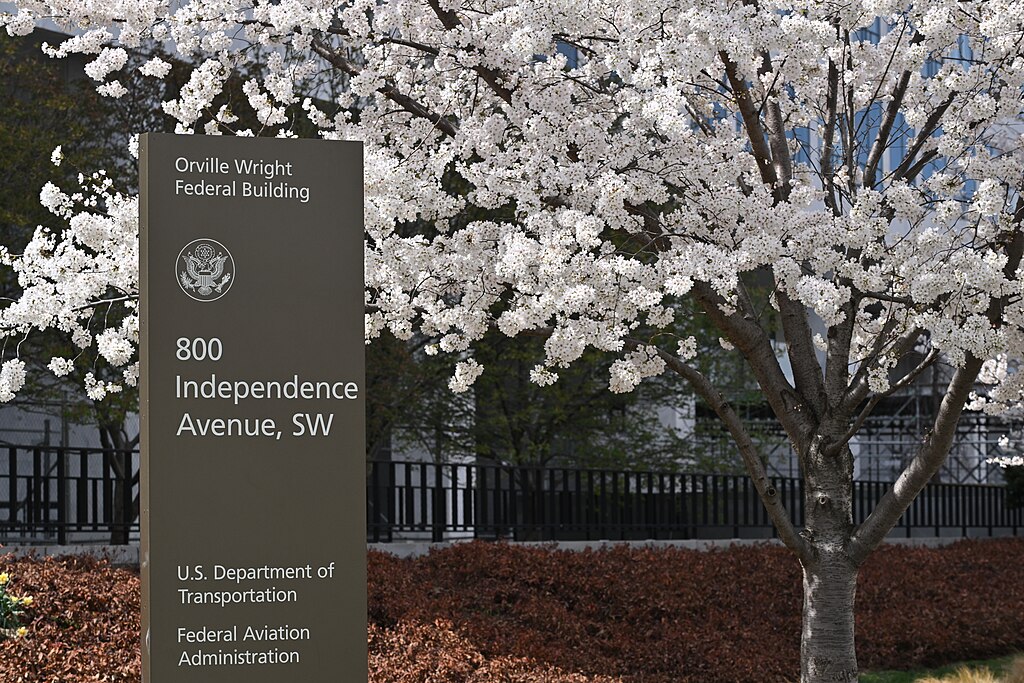
U.S. airlines are scrambling to adjust schedules and assist worried passengers after the Trump administration ordered significant flight reductions at major airports due to a shortage of air traffic controllers during the nation’s longest government shutdown. Starting Friday, the Federal Aviation Administration (FAA) will require airlines to cut 4% of domestic flights daily through Monday, escalating to 10% by November 14. The directive affects 40 major U.S. airports, including those in New York, Los Angeles, and Chicago, though international flights remain unaffected.
Aviation analytics firm Cirium estimates up to 1,800 flight cancellations daily, cutting 268,000 seats. While the low-demand season allows some flexibility, the disruption still impacts hundreds of thousands of travelers. Airlines such as American, Delta, United, and Southwest are canceling hundreds of flights, focusing primarily on regional routes to minimize passenger inconvenience. American Airlines, for instance, will cancel about 220 daily flights, while Delta expects around 170 cancellations on Friday. United and Southwest will cut fewer than 200 and 120 flights respectively.
Airlines are attempting to offset disruptions by deploying larger aircraft and offering passengers more flexibility, including full refunds for cancellations. However, the Department of Transportation clarified that airlines are not required to cover hotel or meal costs since the cancellations stem from government-related issues.
The FAA justified the cuts after a safety review found severe staffing shortages, with absenteeism exceeding 30% at some airports. More than 13,000 air traffic controllers and 50,000 security staff are currently working unpaid, worsening delays and passenger frustration. Analysts say the impact on airline earnings will remain limited unless the shutdown extends into the busy Thanksgiving travel period.
Despite the chaos, the FAA insists air travel remains safe, but the ongoing shutdown threatens to derail consumer confidence and weaken holiday travel demand.







