


 US Expands Social Media Vetting to Foreign Journalists Seeking Visas
  AMP Shares Surge 13% After Strong Profit and A$150 Million Buyback
  25 Democratic-Led States Sue Trump Administration Over New Global Tariffs
  US Customs Inspects China-Linked Factories in Vietnam Amid Trade Compliance Review
  Meta AI Model Exploits Security Flaw During Cybersecurity Test, Raising AI Safety Concerns
  Trump Orders Probe Into Pentagon Munitions Stockpile Leaks After Iran Conflict
  SEC Moves to Dismiss Insider Trading Case Against Trump-Pardoned Terren Peizer
  Trump Administration to Ban Chinese Robots, Power Inverters Over AI Security Concerns
  California ICE Detention Center Found to Have Inadequate Medical Care, Court Monitor Says
  New Mexico Measles Outbreak Cost Reached $5.4 Million, Study Finds
  DOJ Rescinds Anti-Weaponization Fund Ahead of Todd Blanche Senate Confirmation Vote
  Moderna Wins FDA Approval for mFLUSIVA mRNA Flu Vaccine for Adults 50+
  Cloudflare Stock Jumps 15% as Earnings Beat Estimates, 2026 Outlook Raised
  AI Data Center Boom Faces New Risks as Public Backlash and Policy Scrutiny Grow
  Nvidia to Invest Up to $3 Billion in Blackstone-Backed Lancium
  Alphabet Stock Slides as Google AI Pioneer Jeff Dean Exits to Launch Discovery Loop
  Airbnb Stock Jumps After Q2 Earnings Beat, Strong 2026 Outlook


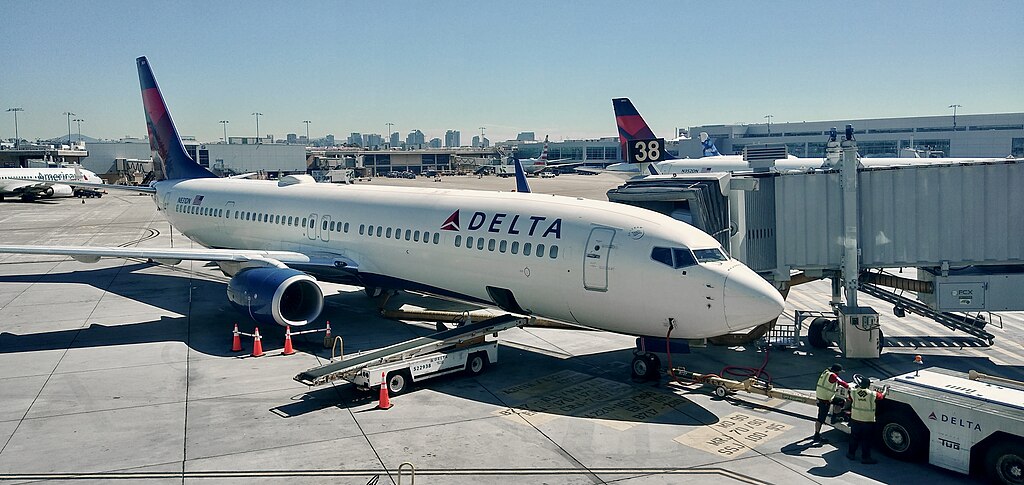
Nearly half of the 30 busiest U.S. airports are facing severe air traffic controller shortages as the federal government shutdown stretches into its 31st day, the Federal Aviation Administration (FAA) reported Friday. The agency warned that the ongoing crisis is leading to nationwide flight delays and cancellations, further straining the aviation industry and travelers alike.
The FAA confirmed that 35 key facilities, including major hubs in New York, Austin, Newark, Phoenix, Washington, Nashville, Dallas, and Denver, reported staffing problems. New York’s airspace has been among the hardest hit, with around 80% of controllers absent. At LaGuardia Airport, half of all flights were delayed and 12% canceled, with average delays exceeding two hours. Washington, D.C.’s Reagan National Airport saw one in four flights delayed.
More than 5,600 flights were delayed and 500 canceled nationwide on Friday alone, according to FlightAware. The impact could have been worse, but Halloween travel volumes were roughly 20% lower than average, offering slight relief to the strained system.
The shutdown has forced 13,000 air traffic controllers and 50,000 Transportation Security Administration (TSA) officers to work without pay, leading to mounting fatigue and stress. “After 31 days without pay, air traffic controllers are under immense stress and fatigue,” the FAA said, calling for an immediate end to the shutdown.
Major airlines—including Delta, United, Southwest, and American—have urged Congress to pass a “continuing resolution” to restore federal funding. The National Air Traffic Controllers Association joined in the call, warning that aviation safety and efficiency are at risk.
With the FAA already 3,500 controllers below target staffing levels before the shutdown, the crisis underscores how prolonged political gridlock threatens to disrupt the entire U.S. aviation network—echoing the chaos seen during the 35-day government shutdown in 2019.







