


 Australia Defends Social Media Algorithm Law Amid US Concerns
  France Urges Faster AI Push Despite Safety Risks
  Nvidia-Groq AI Chip Deal Faces U.S. Antitrust Probe
  U.S. Imposes New Visa Restrictions Over South Africa Policies
  Houthis Seize Bab el-Mandeb as Military Power Grows
  Appeals Court Rejects Trump Third-Country Deportation Policy
  North Korea Vows to Expand Nuclear Arsenal Amid U.S.-Led Military Buildup
  US Bans Canadian Alcohol, Motorcycles as Trade War Escalates
  Australia Tightens Student Visa Rules, Targets Migration Cut by 2028
  Synthetic data could ease people’s concerns about privacy breaches. But who gets to create it?
  SEC Seeks ISS Client Voting Records in Proxy Adviser Probe
  US Delegation Visits Myanmar, Secures Release of American Adam Castillo
  Who should own the knowledge that underpins AI technology?
  Trump Bans CNN, MS NOW and Politico From White House
  Iran Economic Crisis Forces Afghan Families to Return Home
  Pentagon Restarts Testosterone Testing for US Troops


 Add as a preferred source on Google
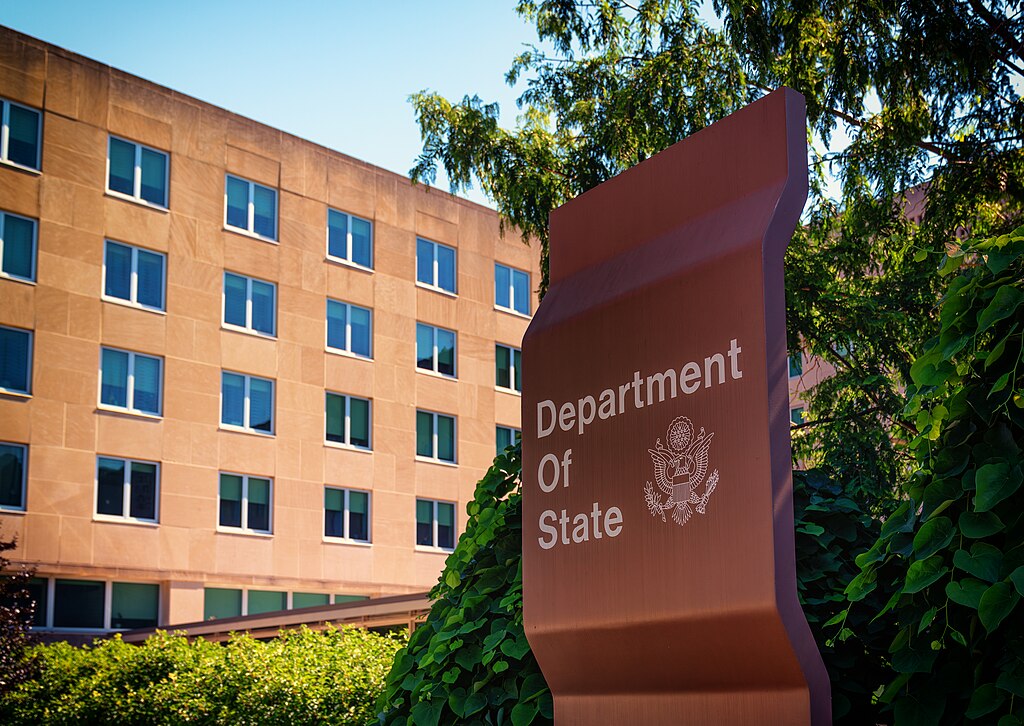
The U.S. State Department has approved a $1.4 billion arms deal with the United Arab Emirates (UAE), just days before President Donald Trump's scheduled trip to the Middle East. The deal includes military aircraft and equipment primarily supplied by U.S. defense giants Boeing (NYSE:BA) and Honeywell (NASDAQ:HON).
The proposed sale features six Boeing CH-47F Chinook helicopters, components for F-16 fighter jets, and various support equipment. According to the Defense Security Cooperation Agency, the sale enhances the UAE’s capability to perform missions including search and rescue, disaster relief, humanitarian aid, and counterterrorism operations.
Labeling the UAE as a “vital U.S. partner for political stability and economic progress in the Middle East,” the State Department emphasized the strategic importance of the transaction. The deal reflects Washington’s broader efforts to strengthen military alliances in the Gulf region amid rising tensions with Iran and ongoing instability in Gaza.
Trump’s upcoming visit to Saudi Arabia, Qatar, and the UAE aims to reinforce diplomatic ties and secure trade agreements with key oil-rich nations. Reports also suggest that Trump will receive a customized Boeing 747 aircraft from Qatar, estimated at $400 million, for potential use as an upgraded Air Force One—a move that has sparked significant media interest.
The arms deal is expected to support U.S. foreign policy and national security objectives while bolstering defense industry exports. With top contractors like Boeing and Honeywell involved, the sale reinforces America’s longstanding military partnership with the UAE and underscores the Gulf nation's role in regional security initiatives.
This high-profile agreement signals deepening military and economic ties between the U.S. and the UAE as geopolitical dynamics continue to shift across the Middle East.







