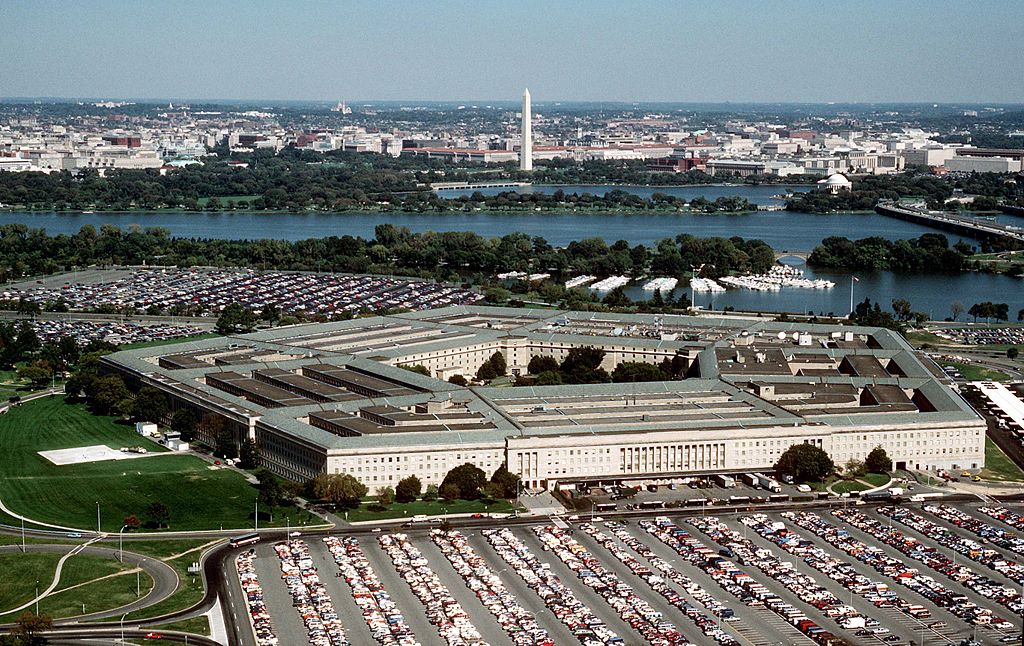
The United States has approved more than $6.5 billion in potential military sales to Israel through three separate defense contracts, according to announcements released by the Pentagon on Friday. The approvals, granted by the U.S. State Department, underscore the long-standing military cooperation between the two countries and aim to enhance Israel’s defense capabilities amid ongoing regional security challenges.
The largest portion of the approved sales involves a potential $3.8 billion deal for AH-64E Apache attack helicopters and related equipment. Boeing and Lockheed Martin have been identified as the principal contractors for this package, which includes not only the helicopters themselves but also associated systems, spare parts, training, and logistical support. The AH-64E Apache is one of the most advanced attack helicopters in the world, known for its combat effectiveness, advanced avionics, and ability to operate in complex battlefield environments.
In addition to the helicopter deal, the State Department approved a potential sale of Joint Light Tactical Vehicles (JLTVs) and related equipment valued at an estimated $1.98 billion. AM General LLC will serve as the main contractor for this sale. The JLTV is designed to provide improved protection, mobility, and payload capacity compared to older tactical vehicles, making it a key asset for modern military operations.
A third military contract, valued at approximately $740 million, was also approved as part of the broader package, although fewer details were disclosed regarding its specific components. Together, the three contracts bring the total value of the approved potential military sales to more than $6.5 billion.
While these approvals do not guarantee immediate contracts, they authorize the potential sales and allow negotiations to proceed. The Pentagon emphasized that the deals are intended to support Israel’s ability to defend itself and maintain military readiness. The announcements come at a time of heightened attention on U.S. arms sales, defense spending, and foreign military assistance, making them a significant development in U.S.-Israel defense relations.