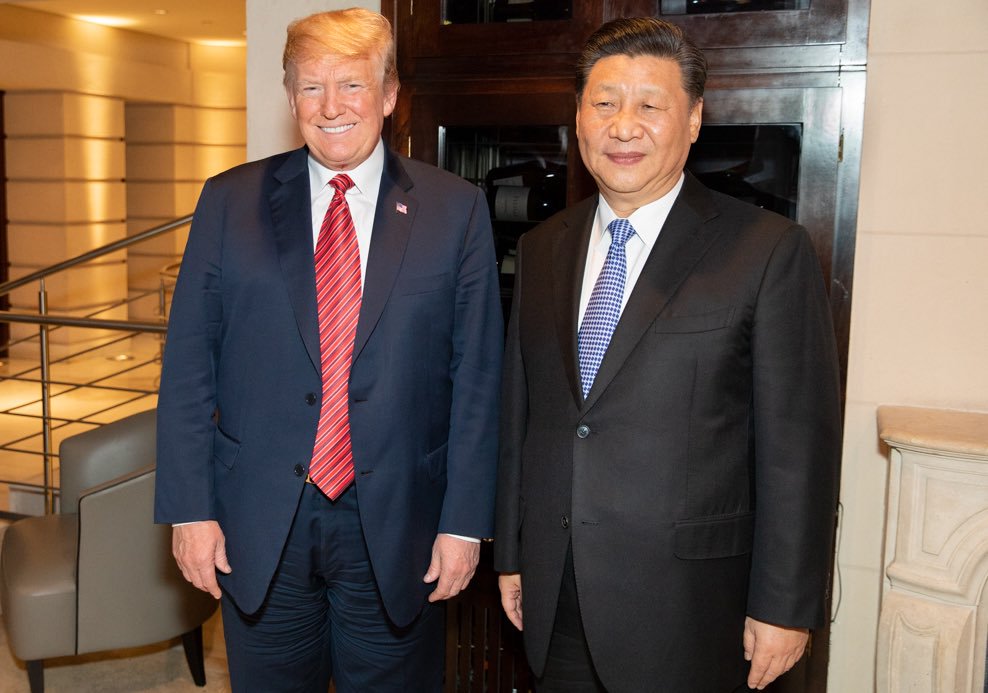
A high-stakes diplomatic meeting between the United States and China is drawing global attention, with Taiwan emerging as a central issue that could reshape regional stability. As U.S. President Donald Trump prepares for a visit to Beijing, Chinese President Xi Jinping has made Taiwan a top priority on the agenda, signaling a shift from previous discussions where the topic was less emphasized.
Taiwan’s geopolitical importance, particularly as a global semiconductor leader and strategic military location in the Asia-Pacific, makes any shift in U.S. policy highly significant. Analysts suggest that even subtle changes in Washington’s stance could influence China’s perception of U.S. commitment to Taiwan’s defense. This uncertainty has raised concerns in Taipei, where officials are closely monitoring the upcoming talks for any indication of policy adjustments.
The United States continues to follow its longstanding “one China policy,” which acknowledges China’s position without formally accepting its claim over Taiwan. While Washington does not support Taiwan independence, it remains committed to assisting the island in maintaining its self-defense capabilities. Recent arms sales and diplomatic reassurances underscore this position, with U.S. officials emphasizing that support for Taiwan remains consistent.
China, however, views Taiwan as a core national interest and has increased pressure through both diplomatic and military means. In addition to conducting military exercises near the island, Beijing has attempted to limit Taiwan’s international engagement, further escalating tensions. These actions highlight the fragile balance between diplomacy and conflict in the region.
The potential for economic negotiations to influence political outcomes adds another layer of complexity. Speculation has arisen that trade deals or economic concessions could impact U.S. messaging on Taiwan, though American officials have denied any policy shift. Still, Taiwan remains cautious, strengthening communication with the U.S. ahead of the meeting.
As global powers navigate this sensitive issue, the outcome of the U.S.-China discussions could have lasting implications for security, trade, and diplomatic relations across the Indo-Pacific region.