U.S. lawmakers have introduced a sweeping annual defense policy bill that authorizes a historic $901 billion in national security spending for fiscal year 2026—surpassing President Donald Trump’s original budget request. The 3,000-page National Defense Authorization Act (NDAA) includes a 4% pay raise for enlisted service members and allocates $400 million in military assistance to Ukraine, solidifying America’s continued support amid global tensions.
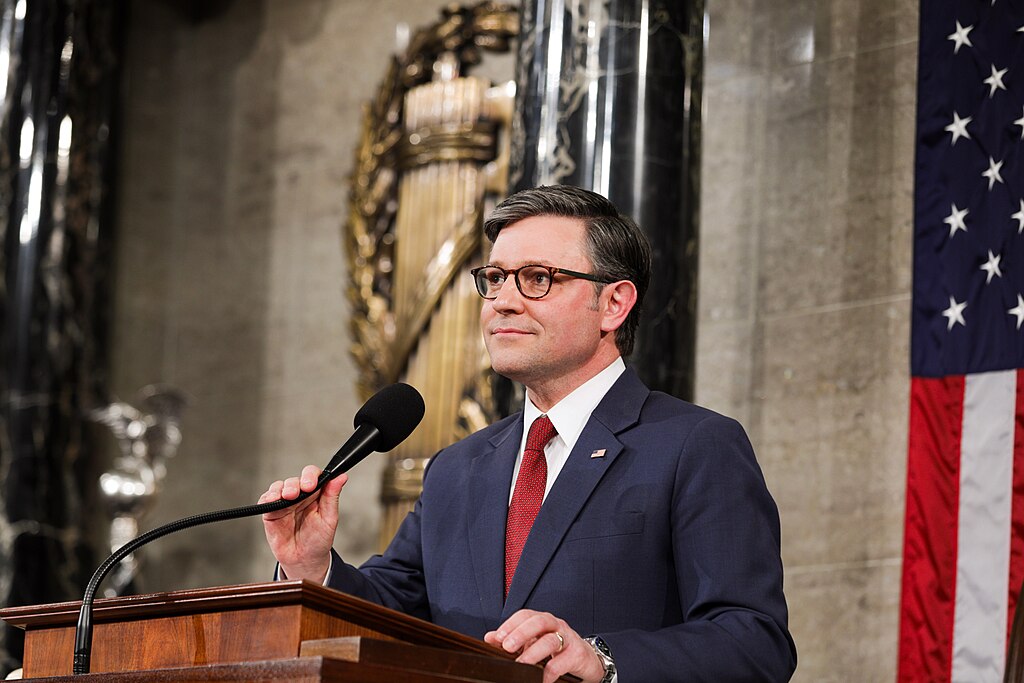
Although the legislation covers a wide array of defense priorities—from weapons procurement to countering strategic competitors like China and Russia—it omits a bipartisan proposal aimed at boosting housing construction for military personnel, a measure some lawmakers expected to be included. House Speaker Mike Johnson praised the bill, stating it advances Trump’s agenda by eliminating “woke ideology” from the Pentagon, reinforcing the U.S.–Mexico border, and strengthening the defense industrial base.
The final compromise reconciles earlier versions passed by the Republican-led House and Senate. Trump requested a flat $892.6 billion defense budget for 2026, but the Senate sought $925 billion. While the NDAA authorizes programs across the Department of Defense and related agencies, actual funding will require separate appropriations legislation before the fiscal year ends in September 2026.
This year’s bill also repeals the long-standing 1991 and 2002 authorizations for military force in Iraq, marking a significant policy shift. Additionally, it addresses controversial issues such as diversity and inclusion programs while approving troop deployments to the southern border to combat illegal immigration and drug trafficking.
Despite being considered “must-pass” legislation, the NDAA faced unusually partisan debate. Some Democrats considered blocking the bill due to concerns over Trump’s use of the military in U.S. cities. Tensions eased after Senator Roger Wicker agreed to hold a hearing on the matter. Earlier in the year, Republican lawmakers also rejected Democratic attempts to restrict the deployment of U.S. forces domestically and to prevent the conversion of a Qatar-funded luxury jet into a version of Air Force One.
This finalized NDAA continues a decades-long tradition of congressional defense authorization, shaping U.S. national security policy for the coming year.