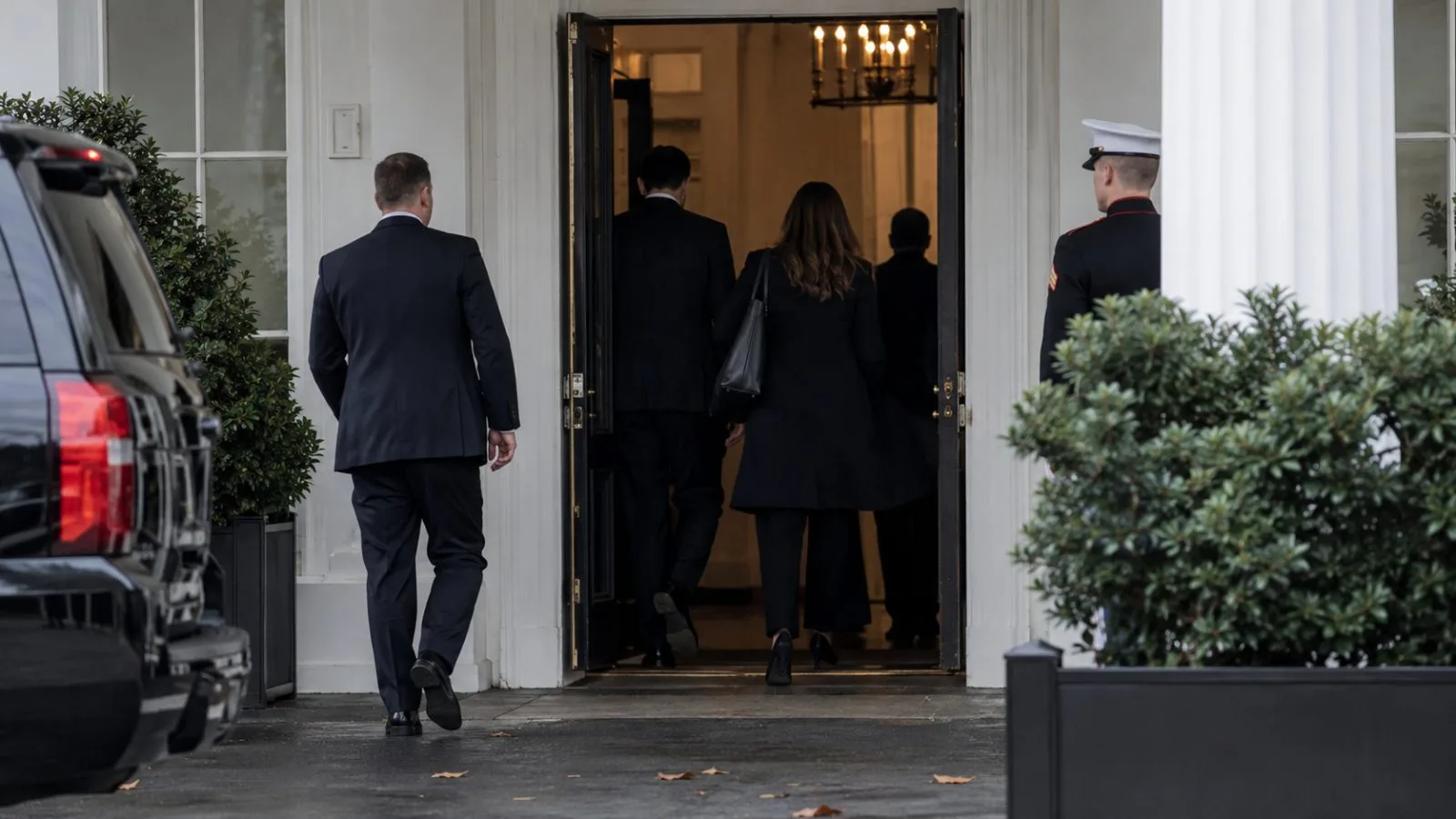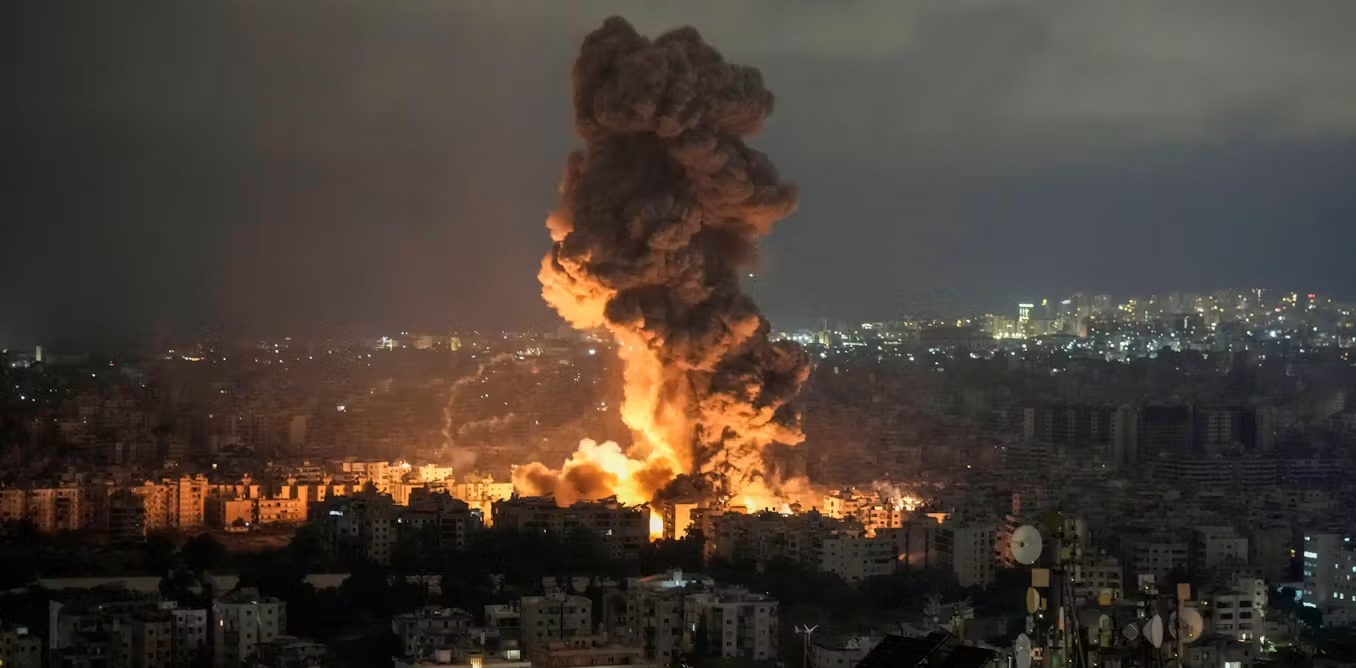
The United States has publicly opposed recent Israeli airstrikes on Syria, with State Department spokesperson Tammy Bruce stating Washington has expressed "displeasure" over the attacks. The strikes targeted Damascus and Sweida, including Syria’s defense ministry and areas near the presidential palace, amid escalating conflict between Druze fighters, government forces, and Bedouin tribes.
Israel claims its actions aim to protect the Druze minority, a group present in Syria, Lebanon, and Israel. Israeli Prime Minister Benjamin Netanyahu reiterated the need to keep Syrian troops out of a designated demilitarized zone near the Israeli-occupied Golan Heights, accusing Damascus of initiating massacres against Druze civilians.
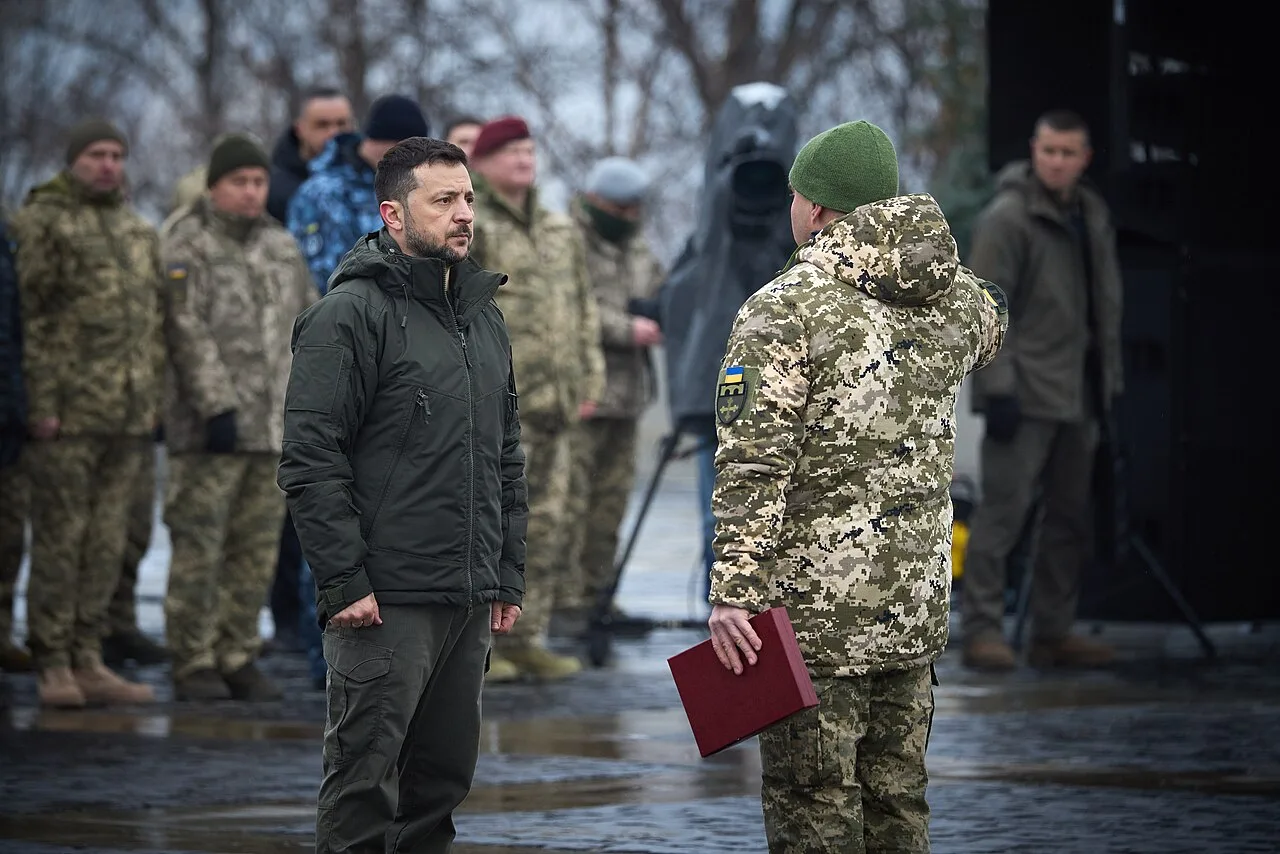
Syria’s interim President Ahmed al-Sharaa condemned Israel’s interference, accusing it of attempting to fracture national unity. He praised mediation efforts by the U.S., Arab nations, and Turkey for achieving a ceasefire in Sweida, following the government’s troop withdrawal from the region. Sharaa vowed to protect Druze citizens and hold perpetrators accountable.
Regional powers including Saudi Arabia, Egypt, and Jordan issued a joint statement backing Syria’s sovereignty and rejecting foreign interference. Turkish President Tayyip Erdogan criticized Israel for undermining ceasefire efforts, while the United Nations called for restraint to prevent further ethnic and sectarian violence.
The Syrian Network for Human Rights reported 254 deaths over four days, including civilians and medical workers, with allegations of field executions and Israeli airstrike casualties. Meanwhile, some Bedouin factions reportedly resumed offensives against Druze forces despite the ceasefire.
Tensions remain high as international pressure mounts to maintain peace. U.S. Secretary of State Marco Rubio confirmed continued diplomatic engagement to resolve the crisis and prevent further destabilization.