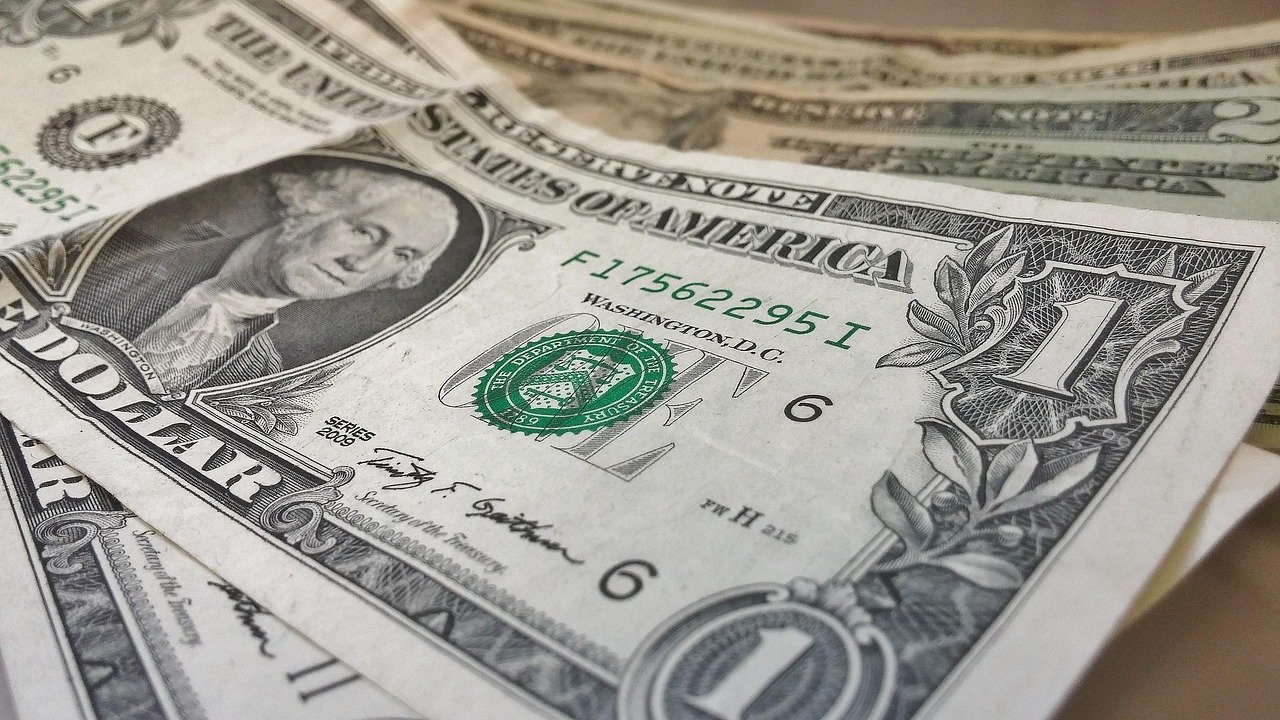
The U.S. dollar weakened in early Asian trading on Wednesday, pulling back from a one-week high against the Japanese yen as a sharp drop in gold prices prompted investors to rebalance their safe-haven holdings. Gold tumbled as much as 2.9% to $4,003.39, reversing a rally that recently marked its strongest annual performance in nearly 50 years.
Alex Hill, managing director at Electus Financial Ltd in Auckland, commented, “What goes up has to go down. The market’s parabolic rise was bound to face some relief.” The dollar slipped 0.2% to 151.67 yen following data showing Japan’s exports rose in September for the first time in five months. The yen, however, has still lost 2.5% this month — its steepest monthly decline since July — as political shifts in Tokyo, including Sanae Takaichi’s bid for prime minister, raised expectations of expansionary fiscal policies and potential tension with the Bank of Japan.
Despite turbulence across global assets — from cryptocurrencies and regional U.S. banks to precious metals — the greenback has remained relatively stable. “We’re seeing an increase in volatility,” said Tony Sycamore, market analyst at IG in Sydney. “Positioning is crowded in many asset classes, leading to sudden market flare-ups.”
The dollar index, which measures the U.S. currency against six major peers, dipped 0.1% to 98.888 after three days of gains. Meanwhile, a Reuters poll showed economists expect the Federal Reserve to cut interest rates by 25 basis points next week and again in December. Fed funds futures indicate a 98.9% chance of a cut at the October 29 meeting.
Elsewhere, the euro edged up 0.1% to $1.1606, the British pound traded flat at $1.3368 ahead of inflation data, and both the Australian and New Zealand dollars remained steady at $0.6491 and $0.5745, respectively.