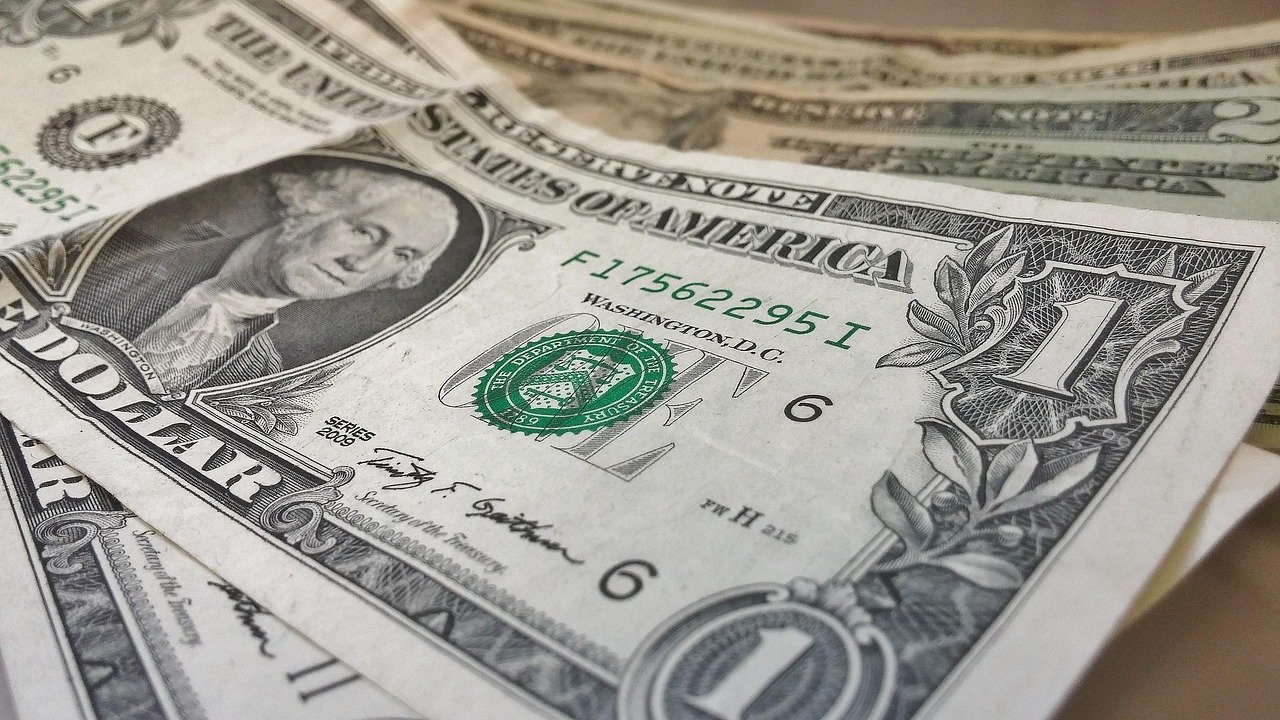
The U.S. dollar rallied sharply on Thursday after a federal court blocked President Donald Trump’s Liberation Day import tariffs, triggering a broad risk-on sentiment across global markets. The Manhattan-based Court of International Trade ruled that only Congress has the constitutional authority to regulate international commerce, even under presidential emergency powers. The Trump administration has since filed an appeal.
The ruling was seen as a potential relief for global trade, leading to a surge in U.S. equities and a sharp rebound in the greenback. The dollar index, which measures the U.S. currency against six major peers, jumped back above the 100 mark to 100.40, its highest in a week.
In currency markets, the dollar gained 0.6% against the yen to 145.72 and 0.65% against the Swiss franc to 0.8326. The euro dropped 0.5% to $1.1232, while the British pound declined 0.2% to $1.3432. Meanwhile, the Australian dollar remained steady at $0.6428, and the New Zealand dollar slipped 0.13% to $0.59595.
Analysts noted that markets reacted immediately to the legal development, which contradicted the direction of moves seen since the imposition of Trump’s trade policies. “It’s a knee-jerk reaction,” said Ray Attrill, head of FX strategy at National Australia Bank, suggesting the market was reversing prior risk-averse positions.
Trump’s tariffs had previously weighed on investor sentiment, prompting capital outflows from the U.S. and dragging the dollar down nearly 8% year-to-date. The court’s decision now introduces renewed optimism among traders hoping for stabilized trade conditions.
The move highlights the sensitive relationship between U.S. trade policy, judicial oversight, and currency markets, with investors closely watching the appeal process and its implications for the dollar’s trajectory.