Investors cautiously welcomed news of a new trade agreement between the United States and the European Union, offering much-needed clarity for companies and easing concerns over looming tariffs. The deal, announced Sunday by U.S. President Donald Trump, comes just days before the August 1 deadline for potential tariff hikes.
Under the agreement, the U.S. will impose a 15% tariff on EU goods while Europe commits to significant purchases of American energy and military equipment. European Commission President Ursula von der Leyen confirmed the inclusion of key sectors such as cars, semiconductors, and pharmaceuticals. The framework closely mirrors last week’s trade deal between the U.S. and Japan.
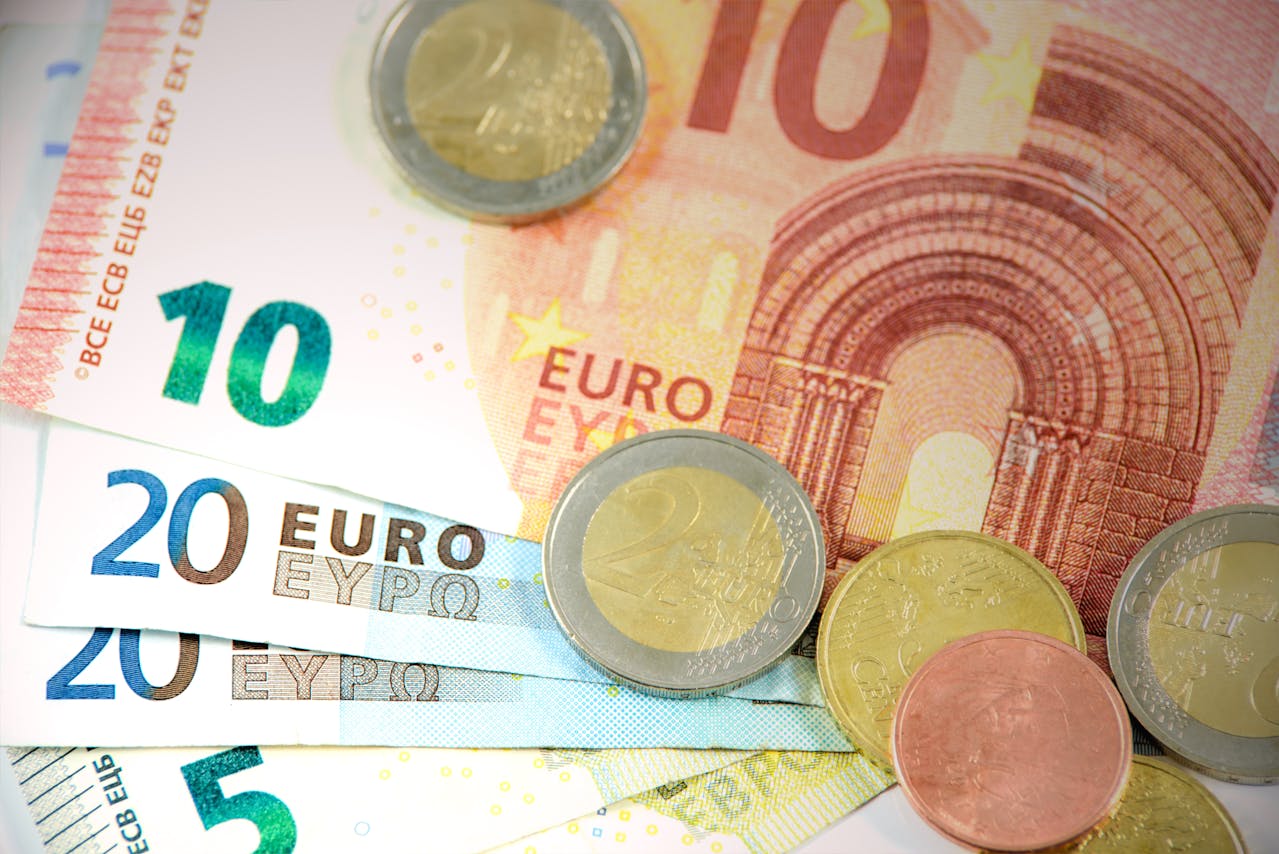
The euro strengthened following the announcement, rising 0.27% to $1.177 against the U.S. dollar and gaining 0.2% versus both the pound and Japanese yen. Optimism over easing trade tensions also supported U.S. equities, which reached record highs last week, while European markets hit their highest levels since early June.
Market analysts highlighted the deal’s positive impact on sentiment. Rick Meckler of Cherry Lane Investments noted similarities with the Japan agreement, which had previously boosted investor confidence. Michael Brown of Pepperstone added that equities “didn’t need much of an excuse to rally,” viewing the trade pact as another catalyst.
Despite improved sentiment, analysts remain cautious about potential volatility as the U.S. deadline for additional tariffs approaches. Eric Winograd, chief economist at AllianceBernstein, said the agreement is “reassuring” but stressed that markets will closely watch how both sides adhere to the terms.
The deal was finalized after von der Leyen traveled to Scotland for last-minute negotiations with Trump, securing what could mark a turning point in transatlantic trade relations.