The United States carried out a seventh straight night of military strikes on Iran, extending operations beyond the country’s southern coast and deeper into its interior, while Tehran launched retaliatory attacks on US-linked military facilities across the Gulf, according to reports from Al Jazeera.
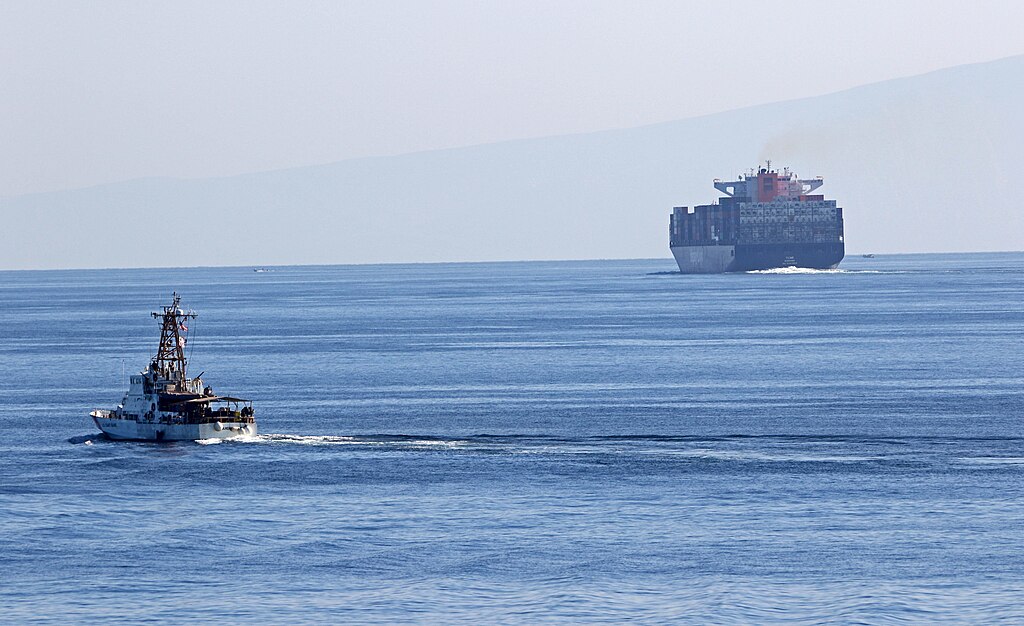
US Central Command (CENTCOM) said fighter jets, drones, and naval forces targeted Iranian surveillance installations, military logistics hubs, underground weapons depots, and maritime assets. The campaign comes as more than 50,000 US troops remain stationed across the Middle East and Washington continues enforcing a naval blockade around Iranian ports.
Explosions were reported in several Iranian locations, including Jask, Sirik, Bushehr, Bandar Abbas, Qeshm Island, Ahvaz, and the central city of Yazd. The widening scope of the strikes suggests the operation has expanded beyond the Strait of Hormuz, a key global energy shipping route.
Iranian authorities said attacks on two bridges and a tunnel in Hormozgan province killed three people and injured eight others. Officials also warned residents to avoid unnecessary travel after significant damage was reported along the Bandar Abbas-Rudan highway. A maritime navigation tower on Larak Island was reportedly struck, while satellite images indicated fresh damage within the Bushehr nuclear power plant complex, although the facility’s operational status remains uncertain.
In response, Iran launched missiles and drones at US-associated military sites in Kuwait, Bahrain, and Jordan. Tehran claimed it targeted facilities including Camp Udairi, Ali Al Salem Air Base, and Jordan’s Muwaffaq Salti Air Base. Kuwaiti authorities said they intercepted incoming missiles and drones during two separate attacks, while air raid sirens sounded multiple times in Bahrain.
Several battlefield claims from both sides remain unverified. Iran’s Revolutionary Guards said they destroyed a US drone depot in Bahrain, shot down an MQ-9 drone over Bushehr, and struck a US vessel in the northern Indian Ocean. CENTCOM denied Iranian claims that two oil tankers exploded after entering a mined section of the Strait of Hormuz.
The conflict has disrupted maritime traffic through the vital waterway. MarineTraffic data showed only eight vessel crossings on Thursday, down from 15 the previous day and marking the lowest level in three weeks. France and Germany urged Tehran to reduce tensions, resume diplomatic negotiations, and help restore safe passage through the Strait of Hormuz as concerns over global energy supplies and oil prices continue to rise.