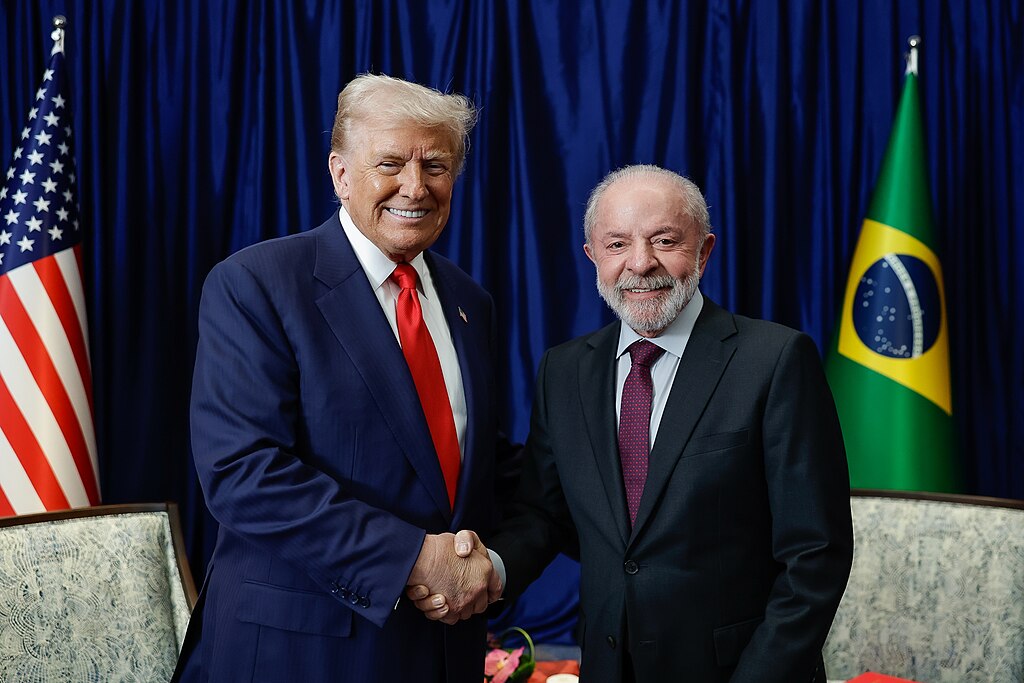
Brazil is preparing a series of retaliatory measures against the United States after the Trump administration imposed a 25% tariff on many Brazilian products, according to sources familiar with the discussions. Senior government officials met on Thursday to review options under Brazil’s reciprocity law, which President Luiz Inácio Lula da Silva has pledged to use in response to the new U.S. trade action.
Instead of raising tariffs on U.S. imports, Brazil is considering measures aimed at American intellectual property and service sectors. Proposed actions include restricting dividend and royalty payments by U.S. audiovisual companies operating in Brazil, as well as suspending patent protections for U.S. pharmaceutical products and agricultural seeds. Officials believe this strategy could pressure Washington while minimizing inflation risks and avoiding disruptions to Brazilian supply chains.
One source said a firm response is highly likely, although the final decision will depend on President Lula. Vice President Geraldo Alckmin confirmed that the government would determine how to apply the reciprocity law at the appropriate time, describing it as a legal mechanism to safeguard Brazil’s national and economic interests rather than a retaliatory tool.
Finance Minister Dario Durigan also announced that Brazil plans to introduce credit lines and financial support for industries affected by the tariffs by early August, reviving a program launched after previous U.S. trade measures. He said the government intends to use fewer public resources this time while maintaining its fiscal targets.
Durigan emphasized that Brazil remains open to negotiations with the United States but will not compromise its national interests. Meanwhile, U.S. officials have warned they could reassess their policies if Brazil responds with countermeasures, increasing uncertainty for exporters.
Brazil is also expected to revive its World Trade Organization dispute over customs duties on electronic transmissions. Officials believe a favorable WTO ruling would strengthen the country’s legal position if it proceeds with retaliatory actions under international trade rules. The escalating trade dispute comes as Brazilian exports to the United States declined 13% in the first half of the year, despite the country’s overall exports rising 5.1% during the same period.