


 Zelenskiy Warns Russia Is Preparing Massive Attack on Ukraine
  Trump Says He Deserves 2026 Nobel Peace Prize Despite Uncertain Chances
  Mexico Bars Dual Citizens From Presidential Races Starting in 2028
  France to Release 10 Million Barrels of Diesel to Ease Fuel Prices
  Hegseth Praises USS Abraham Lincoln Crew After Record Iran War Deployment
  Merz Warns of Extremism After AfD Gains Power in Saxony-Anhalt
  US, Greece Launch New Counterterrorism Security Program
  Maduro, Wife May Face New US Torture Charges
  Trump Weighs FBI Probe Into Nolan Wells’ Death
  San Francisco Halts New Data Center Construction With 45-Day Moratorium
  Russia Targets Danish Ukraine Suppliers in Sabotage Campaign
  Lincoln University Students Sue Missouri Over Decades of Underfunding
  Trump Envoy Meets Sudan Army Chief in Egypt
  Trump Backs Florida Golf Course as Presidential Retreat
  Vance Demands Iran Cut Nuclear Enrichment to End War
  Saudi Arabia Probes Flydubai Cockpit Attack
  Lula Weighs Alckmin as Finance Minister to Boost Fiscal Credibility


 Add as a preferred source on Google
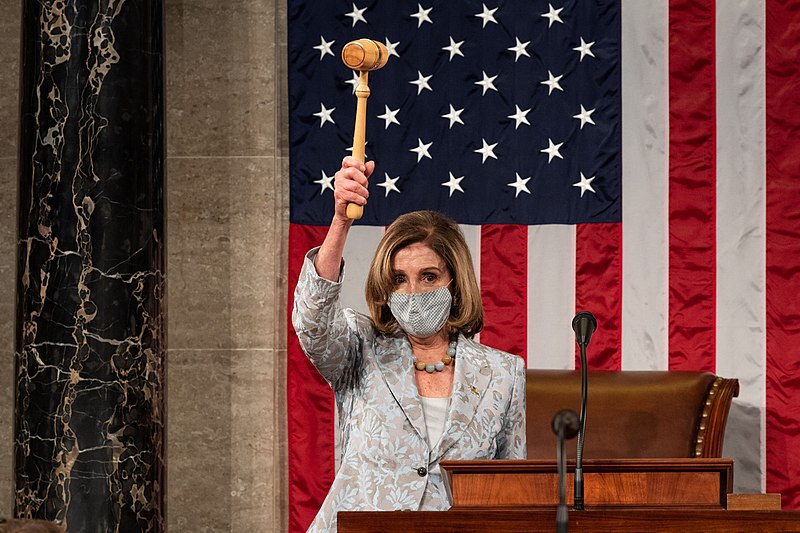
One of the issues that have emerged in Congress is of its members trading stocks despite concerns of conflicts of interest. US House Majority Leader Steny Hoyer echoed the stance of House Speaker Nancy Pelosi, saying that members of Congress should be allowed to trade stocks.
This week, Hoyer rejected the notion that members of Congress should not be allowed from owning or trading stocks. Hoyer cited that lawmakers should have the same financial privilege as private citizens. Hoyer’s stance echoes that of Pelosi, who previously drew criticism for defending congressional stock trading.
Hoyer, who has stressed that he himself does not own any stocks, said he welcomed the notion that congressional committees have signaled the intention of examining proposals by lawmakers of both parties to address the issue that has increasingly come under scrutiny.
“My general feeling is that members ought not to be in a different situation that they would otherwise be if they weren’t members of Congress,” said Hoyer. “As long as they do so legally, without having some special advantage, my immediate reaction is that it should not be precluded.”
Pelosi’s defense of lawmakers owning stocks was that the US was a “free market economy,” and that lawmakers should also be able to take part. Pelosi, who is also one of the wealthiest members of Congress, disclosed millions of dollars in stocks in her annual financial disclosures. Pelosi’s office has defended her position and noted that the investments are held by her husband Paul Pelosi, and she does not have control or have any knowledge of how those are managed.
In face of increasing calls from lawmakers on both parties to ban lawmakers from owning or trading stocks while in office, Pelosi has signaled a willingness to put a ban, saying that it could be done if enough Democrats support the notion. Democratic leaders have expressed a reluctance to address the issue.
While Pelosi said that if enough members of Congress support the ban, the House Speaker is not pressed to take action on the issue.
“I do always come down in favor of trusting our members,” said Pelosi. “To give a blanket attitude of ‘we can’t do this and we can’t do that,’ because we can’t be trusted – I just don’t buy into that.”







