


 North Korea Fires Ballistic Missiles as Tensions With South Korea Escalate
  NATO Commander Warns Russia of Devastating Response to Attack
  MI5 Warns of Rising Iran, Russia Threats and AI Bioweapon Risks
  Mahmoud Abbas Postpones Palestinian Elections to September 2027
  Zelenskiy Says Ukraine Received No Warning Before Russian Missile Attack
  European Auto Stocks Rise as EU-China Trade Deal Targets Hybrid Imports
  Elon Musk Donates $366 Million to 2026 US Midterms
  Panama Declares Emergency After 7.7 Earthquake Triggers 200 Aftershocks
  US Senate Midterms 2026: Key Races That Could Flip Control
  Flavio Bolsonaro Backs Brazil’s 40-Hour Workweek Reform Ahead of Runoff
  Trump Denies Russia and China Are Helping Iran in U.S. Conflict
  Trump Announces Russia-Ukraine Energy Ceasefire as Zelenskiy Awaits Details
  Most Americans Oppose Election Betting on Prediction Markets, Poll Finds
  Trump Plans White House Shake-Up of Key AI Safety Agency
  Trump Warns Houthis Over Attacks, Considers Erdogan Intervention
  India Voter List Protests Reach Supreme Court as Opposition Demands Election Chief's Resignation


 Add as a preferred source on Google
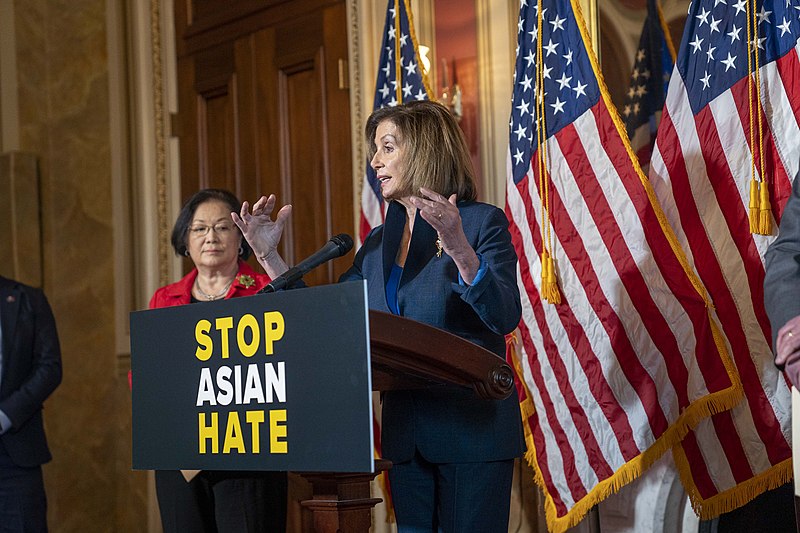
The United States has increasingly stepped up its engagement with Taiwan, especially at a time when tensions are rife with China, which claims the island nation as part of the mainland. US House Speaker Nancy Pelosi is expected to be visiting Taiwan next month.
In a report by the Financial Times, Pelosi, the top House Democrat, is planning on visiting Taiwan in August, according to six people familiar with the matter.
Pelosi’s possible visit also comes as China has been engaging in a pressure campaign to force the island and its democratic government to accept Beijing’s sovereignty. This has also caused strains in ties between the US and China.
Washington was reportedly divided on whether Pelosi should visit the island nation, according to two people familiar with the matter.
The plans of the visit have predictably drawn the ire of Beijing, which has criticized every visit of officials of foreign governments to Taiwan.
China’s foreign ministry said Tuesday that Pelosi’s visit to the island nation would undermine Beijing’s so-called sovereignty and territorial integrity and that the US should deal with the consequences.
Speaking at a press briefing, China’s foreign ministry spokesperson Zhao Lijian said China would take strong measures to secure its sovereignty and territorial integrity.
Taiwanese President Tsai Ing-wen has long reiterated that only the people of Taiwan can decide their future, resisting Beijing’s rhetoric. Over the weekend, Tsai launched her party’s campaign for the island’s local elections that will take place in November.
During the annual congress of the governing Democratic Progressive Party, Tsai said that the post-pandemic era was full of challenges and opportunities, citing the global issue of inflation and Russia’s invasion of Ukraine.
“But we can remain confident in ourselves. Taiwan’s economic fundamentals are good, and many industries have also grasped a key strategic position in the process of global supply chain restructuring,” said Tsai, who also expressed optimism when pressed if the DPP would maintain its majorities.
Taiwanese Premier Su Tseng-chang criticized China’s “rude and unreasonable pressure,” quoting Tsai as saying that the Taiwanese people will not give in to the pressure from Beijing.







