The United States has imposed sanctions on Colombian President Gustavo Petro, intensifying tensions between Washington and Bogotá. The move, announced Friday by the U.S. Treasury Department, follows accusations from President Donald Trump that Petro failed to curb Colombia’s cocaine production and allowed drug cartels to thrive.
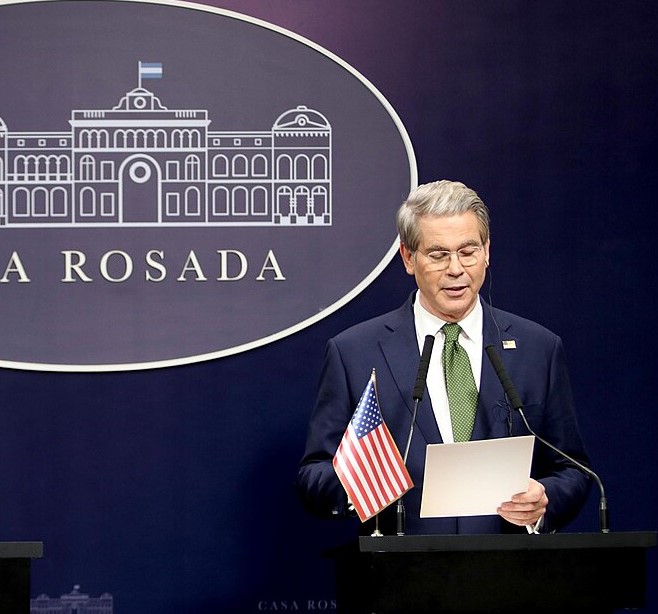
According to Treasury Secretary Scott Bessent, Colombia’s cocaine output has reached its “highest rate in decades,” contributing to drug-related deaths in the U.S. “President Petro has allowed drug cartels to flourish and refused to stop this activity,” Bessent said, defending the sanctions as a strong measure to protect Americans from narcotics.
Petro, nearing the end of his presidential term, denounced the allegations as “false and politically motivated.” He emphasized that his administration has seized record amounts of cocaine and slowed the expansion of coca crops since 2021. “What the U.S. Treasury says is a lie,” Petro posted on X (formerly Twitter). “My government has seized more cocaine than ever before.”
The sanctions freeze any U.S.-based assets belonging to Petro, his wife, his son Nicolas Petro, and Interior Minister Armando Benedetti, restricting Americans from engaging in transactions with them. Benedetti condemned the sanctions as proof that the U.S. war on drugs is a “sham.”
The confrontation underscores worsening relations between Trump and Petro. The two leaders have clashed over U.S. military strikes in the Caribbean targeting alleged drug vessels, with Petro calling them “murders.” Trump has also threatened to raise tariffs and suspend aid to Colombia, while the U.S. State Department announced it will not certify Colombia’s counter-narcotics efforts.
Despite past cooperation under Joe Biden, Trump’s administration marks a stark departure, signaling a breakdown in U.S.-Colombian relations. Analysts warn the sanctions could destabilize regional diplomacy. Former U.S. official Brett Bruen criticized the move as “cowboy theatrics” that risk inflaming tensions across Latin America.