


 Pentagon Restarts Testosterone Testing for US Troops
  US Allies Fear Trump Could Soften Taiwan Stance in Xi Talks
  US Delegation Visits Myanmar, Secures Release of American Adam Castillo
  Kim Yo Jong Warns of Stronger Response to US-Led Military Drills
  Trump Says US Army Base in Poland Talks Make Progress
  France Urges Faster AI Push Despite Safety Risks
  Trump Eyes End to Iran War, Plans Gulf Leaders Meeting
  US Resumes Immigrant Visa Processing for Hungary, Poland
  U.S. Probes Apex Logistics Over Nvidia AI Chip Shipments to China
  Iran Economic Crisis Forces Afghan Families to Return Home
  US-China Experts Push AI Nuclear Safeguards to Prevent Military Escalation
  Who should own the knowledge that underpins AI technology?
  Paris Talks Focus on Lebanon Army Needs as UNIFIL Exit Looms
  Trump Administration Removes Confederate Memorial Criticism From Arlington Website
  Australia Tightens Student Visa Rules, Targets Migration Cut by 2028
  US Judge Dismisses Imran Ahmed Deportation Lawsuit


 Add as a preferred source on Google
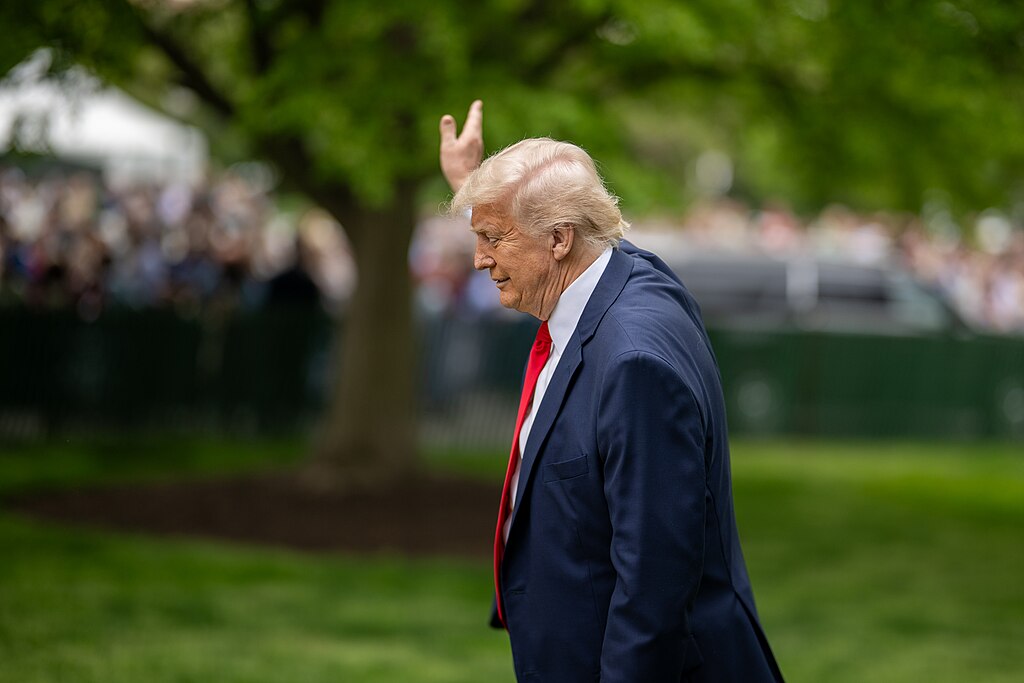
The U.S. military is detaining two survivors aboard a Navy ship after rescuing them from a suspected drug-smuggling vessel hit by an American strike in the Caribbean, sources told Reuters. The attack, ordered by President Donald Trump, killed two others and is part of a broader campaign against what he describes as a “narcoterrorist” threat from Venezuela. This marks the first known instance of survivors being taken into custody following such operations, raising questions about their legal status as possible prisoners of war.
According to one source, the targeted vessel was likely a semi-submersible—a stealthy, submarine-like craft often used by drug traffickers to evade detection. Five sources said a U.S. military helicopter retrieved the survivors and transported them to a nearby warship. Previous strikes off the Venezuelan coast reportedly destroyed similar vessels, killing 27 people, with no survivors previously confirmed. These actions have sparked concern among international law experts and Democratic lawmakers over whether such strikes comply with the laws of war.
The operation comes amid a major U.S. military buildup in the Caribbean, involving guided missile destroyers, F-35 jets, a nuclear submarine, and over 6,000 troops. Trump also confirmed authorizing covert CIA operations inside Venezuela, fueling speculation of efforts to unseat President Nicolás Maduro. In response, Venezuela’s U.N. ambassador, Samuel Moncada, urged the Security Council to condemn what he called illegal U.S. military aggression.
Recently, the Pentagon informed Congress that the United States is now engaged in a “non-international armed conflict,” a move critics say could justify broader military actions. Command of the Caribbean operations has shifted from the Miami-based Southern Command to a new task force led by the II Marine Expeditionary Force. Meanwhile, U.S. Southern Command’s admiral is expected to step down two years early, signaling further strategic shifts in Washington’s approach to Venezuela.







