


 Pentagon Restarts Testosterone Testing for US Troops
  South Korea’s Lee Rules Out Military Role in Middle East War
  Nvidia-Groq AI Chip Deal Faces U.S. Antitrust Probe
  FDA Names Permanent Drug and Biologics Center Chiefs
  US Resumes Immigrant Visa Processing for Hungary, Poland
  Trump Bans CNN, MS NOW and Politico From White House
  Iran Economic Crisis Forces Afghan Families to Return Home
  US Allies Fear Trump Could Soften Taiwan Stance in Xi Talks
  Venezuela Nears Deal to Move $4 Billion in Gold to New York Fed
  Kim Yo Jong Warns of Stronger Response to US-Led Military Drills
  SEC Seeks ISS Client Voting Records in Proxy Adviser Probe
  Appeals Court Rejects Trump Third-Country Deportation Policy
  US-China Experts Push AI Nuclear Safeguards to Prevent Military Escalation
  DOJ Will Investigate AI-Related Crimes, Attorney General Blanche Says
  Japan, U.S. Discuss $19 Billion GlobalFoundries Chip Plant
  Australia Defends Social Media Algorithm Law Amid US Concerns
  US Officials Meet Houthis in Oman Amid Yemen Offensive


 Add as a preferred source on Google
The United States will impose sanctions on Sudan following a formal determination that its government used chemical weapons in 2024 during its conflict with the paramilitary Rapid Support Forces (RSF), according to the U.S. State Department. The sanctions, which include restrictions on U.S. exports and access to government credit, will take effect around June 6.
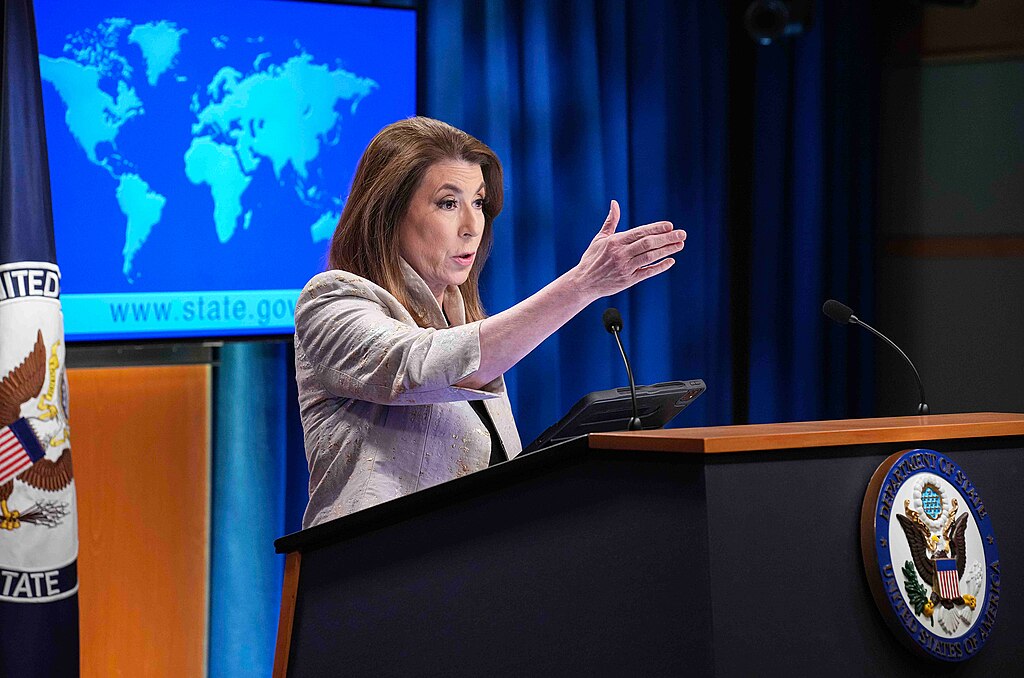
State Department spokesperson Tammy Bruce stated the sanctions align with the Chemical Weapons Convention (CWC), urging Sudan to cease such weapon use. The U.S. invoked the Chemical and Biological Weapons Control and Warfare Elimination Act of 1991, though specifics on the chemical agents, locations, or dates were not disclosed.
The New York Times previously reported that the Sudanese army used chlorine gas—known for causing severe tissue damage—in at least two instances in remote regions. These allegations have not been addressed directly by Sudan’s foreign ministry.
The conflict in Sudan began in April 2023, stemming from a power struggle between the military and RSF, leading to mass violence, famine, and the displacement of 13 million people. Tens of thousands have been killed.
Earlier this year, Washington sanctioned army chief Abdel Fattah al-Burhan and RSF leader General Mohamed Hamdan Dagalo (Hemedti) for their roles in escalating the war and committing genocide, respectively.
A Sudanese diplomatic source criticized the sanctions as politically motivated, suggesting they were a distraction from U.S. congressional efforts to halt arms sales to the UAE, which has been accused of arming the RSF. Sudan recently severed ties with the UAE, blaming it for a recent attack on Port Sudan—claims the Gulf state denies, maintaining it supports peace and humanitarian aid.
The U.S. reaffirmed its commitment to hold chemical weapons violators accountable.







